The two men were detained in Nurabad Mamasani alongside other teachers. Rights group Hengaw says officers presented no arrest warrant and some detainees were beaten.
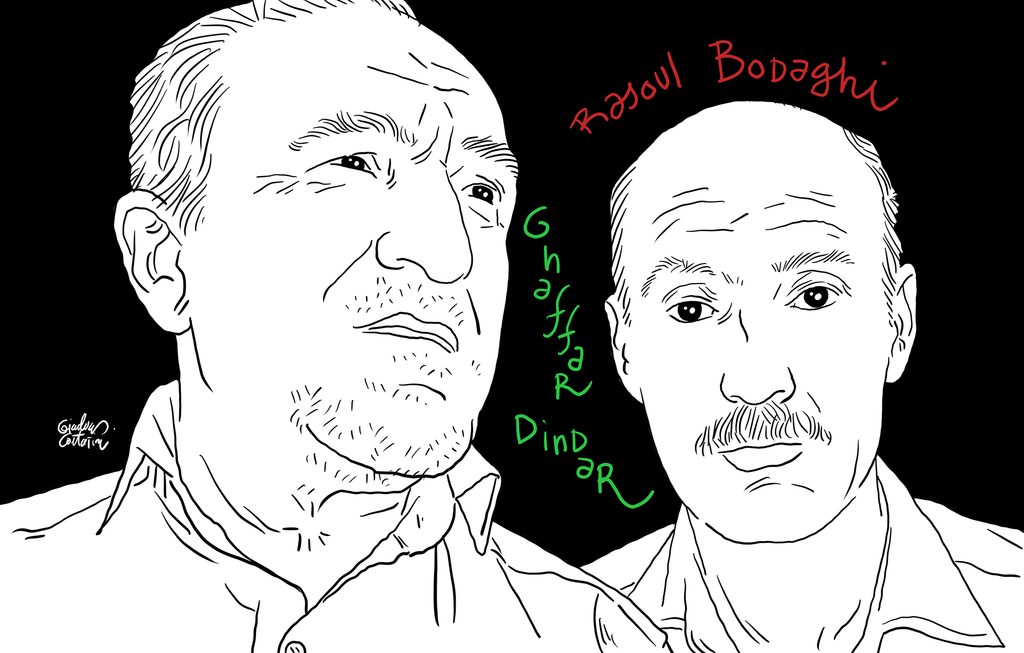
On 25 September, intelligence agents of Iran’s Islamic Revolutionary Guard Corps arrested teachers’ union activists Rasoul Bodaghi and Ghaffar Dindar in Nurabad Mamasani, in Fars province. According to Hengaw, the two had travelled there to visit a fellow teacher. Several other teachers and their hosts were also detained. Hengaw reports that the agents showed no warrant and that some of those arrested were beaten. These details come from Hengaw’s account; they have not been independently confirmed.
For Bodaghi, this arrest follows nearly two decades of defending teachers’ and students’ rights. He was detained after a teachers’ demonstration in Tehran in 2009 and has faced repeated arrests and imprisonment since. A UN communication on his case describes his work for labour rights and education reform, as well as the years he has spent in prison.
The arrest of Bodaghi and Dindar raises a question that reaches beyond this one incident: what happens when teachers cannot organise or speak openly about their schools? Their work concerns the conditions in which education takes place. Detaining union activists also puts pressure on colleagues who might otherwise speak alongside them.
At ChannelDraw, we have drawn the protests in Iran and followed the art made by Iranian women in prison. Those stories differ from this one, but each asks us to pay attention to people whose voices are at risk of being silenced. Bodaghi’s long record makes the latest arrest especially troubling. It also makes it essential to keep asking what has happened to him, to Dindar and to the others detained with them.


CHANNELDRAW STUDIO · INDEPENDENT PUBLISHING
Active Art Yearbook
A year of drawings, stories and civic engagement. Discover the Channeldraw annual volumes.
Explore the yearbooks →ChannelDraw is independent and reader-supported. Your support helps us continue documenting artists, journalists and activists whose voices are threatened or censored.
Other ways to support ChannelDraw
You can also support our independent work by joining us on Patreon or Substack, or by purchasing a ChannelDraw Yearbook. Every contribution helps us keep ChannelDraw independent and continue documenting stories that need to be seen.


