Evelio Lisandro López Sánchez, a 34-year-old Maya Mam journalist and founder of the local news platform Huehue es Noticias, was shot dead on October 2, 2026. His killing, following years of reported threats, raises urgent questions about the safety of Indigenous journalists and the protection of press freedom in Guatemala.
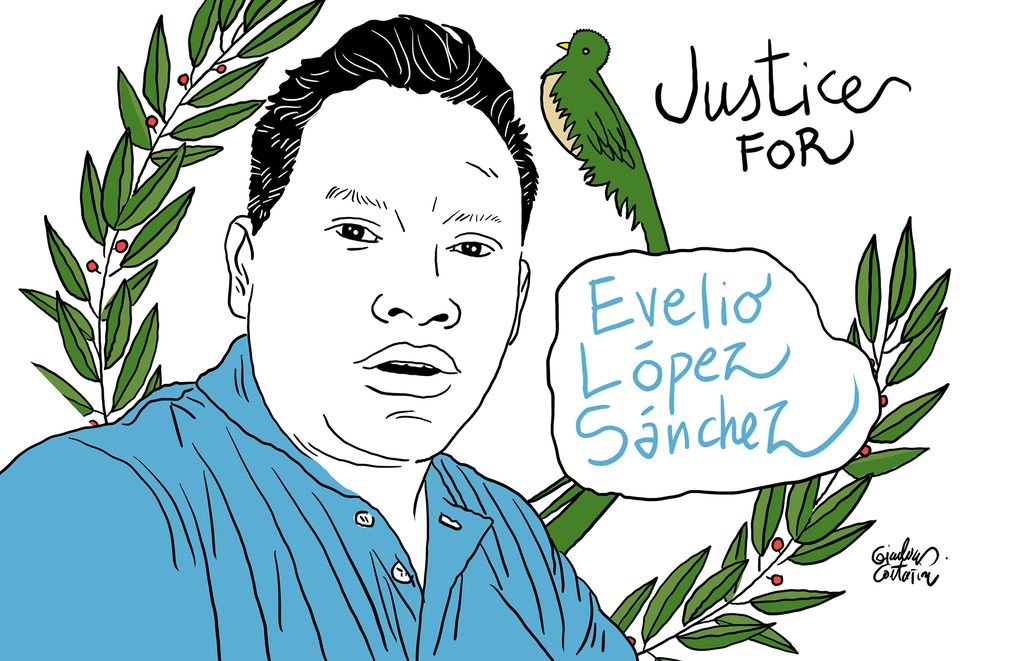
By Gianluca Costantini — ChannelDraw | October 11, 2026
On October 2, 2026, Evelio Lisandro López Sánchez was travelling home in San Pedro Necta, a town in the mountainous department of Huehuetenango, northwestern Guatemala. He never arrived.
A private vehicle intercepted the 34-year-old journalist, and he was shot multiple times. According to the Committee to Protect Journalists (CPJ), the attack occurred just days after López had publicly denounced threats against his life.
His murder has raised serious concerns about the vulnerability of journalists working in Guatemala’s Indigenous communities, particularly those reporting on local politics and public affairs far from the attention of international media.
Evelio López belonged to the Maya Mam Indigenous people, one of Guatemala’s largest Maya communities, whose ancestral territories extend across the country’s western highlands and into southern Mexico.
He was the founder and administrator of Huehue es Noticias, a digital news platform dedicated to reporting on events in Huehuetenango.
Through his work, López contributed to the circulation of local information in a region where community-based journalism plays an essential role in connecting residents with political and social developments.
His journalism was rooted in the territory where he lived. Rather than working for a major national newspaper or international broadcaster, he operated through a local digital platform, bringing information to communities whose concerns often receive limited attention beyond their region.
For Indigenous journalists in Guatemala, this proximity to the communities they cover can be both a strength and a source of vulnerability. Reporting on local power structures, political disputes and public institutions may expose journalists to pressure from people they encounter in everyday life.


CHANNELDRAW STUDIO · INDEPENDENT PUBLISHING
Active Art Yearbook
A year of drawings, stories and civic engagement. Discover the Channeldraw annual volumes.
Explore the yearbooks →According to the Association of Guatemalan Journalists (APG), López had faced repeated threats connected to his reporting.
The threats reportedly dated back to 2021 and involved individuals with political connections. In the days immediately preceding his murder, he had publicly spoken about the intimidation he was experiencing.
As reported by Prensa Comunitaria, López had previously submitted complaints to the authorities, but those complaints had not resulted in effective protection.
The circumstances raise a particularly troubling question: could his death have been prevented if earlier warnings had been adequately investigated?
The fact that López had reported threats does not, by itself, establish the motive for his murder. Investigators have not publicly determined whether he was killed because of his journalism. Nevertheless, the history of intimidation makes his professional activity an essential line of inquiry.
The Committee to Protect Journalists has called on Guatemalan authorities to conduct a credible and transparent investigation, including an examination of whether his reporting motivated the attack.
Jose Zamora, CPJ’s Regional Director for the Americas, emphasized the vulnerability of Indigenous and community journalists and called for accountability over the handling of López’s previous complaints.
The organization has also urged authorities to establish what measures, if any, were taken after the journalist reported the threats he had received.
Following the killing, the local community reacted with anger.
According to reports collected by CPJ, residents set fire to a local police substation and a house allegedly associated with a person suspected by members of the community of involvement in the murder.
Local reporting indicated that the individual accused by residents worked for the municipal government and had presented himself to the National Civil Police. However, prosecutors had not publicly identified a suspect at the time of CPJ’s October 6 report.
The Guatemalan National Civil Police announced that a specialized criminal investigation team was working with the Public Prosecutor’s Office to identify those responsible.
The investigation remained ongoing, and the motive had not been established.
The murder of Evelio López must also be understood within the broader historical context of Guatemala, a country where Indigenous communities have experienced generations of discrimination, political exclusion and violence.
During Guatemala’s internal armed conflict, which lasted from 1960 to 1996, Indigenous Maya communities suffered systematic atrocities. The country’s Commission for Historical Clarification documented the overwhelming impact of state violence on Indigenous populations and concluded that acts of genocide had been committed against specific Maya groups.
Although contemporary Guatemala operates within a different political and institutional framework, historical inequalities continue to influence access to justice, political representation and public resources.
For Indigenous journalists, these structural challenges intersect with the risks associated with investigating local authorities, political interests and abuses of power.
Community journalism is particularly important in this context.
Independent local reporters often document issues that national media cannot consistently cover: municipal decisions, land conflicts, environmental disputes, public services, corruption allegations and the everyday consequences of political decisions.
Their work can provide communities with information necessary to participate in public life and hold institutions accountable.
But journalists operating in small communities may also face threats without the legal resources, institutional protection or international visibility available to reporters working for larger organizations.
The killing of López illustrates the consequences that can follow when threats against journalists are not effectively addressed.
It also raises questions about the protection of Indigenous voices within Guatemala’s media landscape.
The right to freedom of expression is not limited to journalists working in major cities or reporting on national political institutions. It also belongs to those documenting the lives of rural communities, Indigenous populations and people whose experiences rarely reach international audiences.
This is a central concern in the work of ChannelDraw, which documents the experiences of journalists, human rights defenders and political dissidents through drawing and visual storytelling.
The persecution of journalists is not confined to a single country or political system.
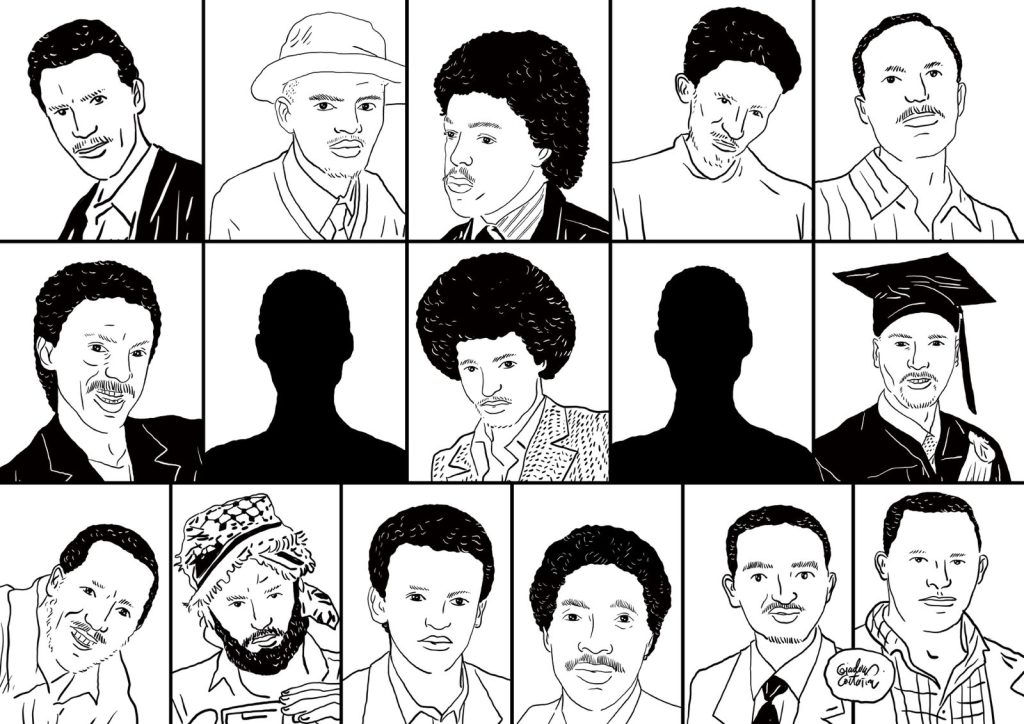
In Eritrea, the prolonged imprisonment and disappearance of independent journalists have become emblematic of the struggle for press freedom. Through its portraits of Eritrean journalists, ChannelDraw has sought to preserve the faces and identities of people who have been denied the possibility of telling their own stories.
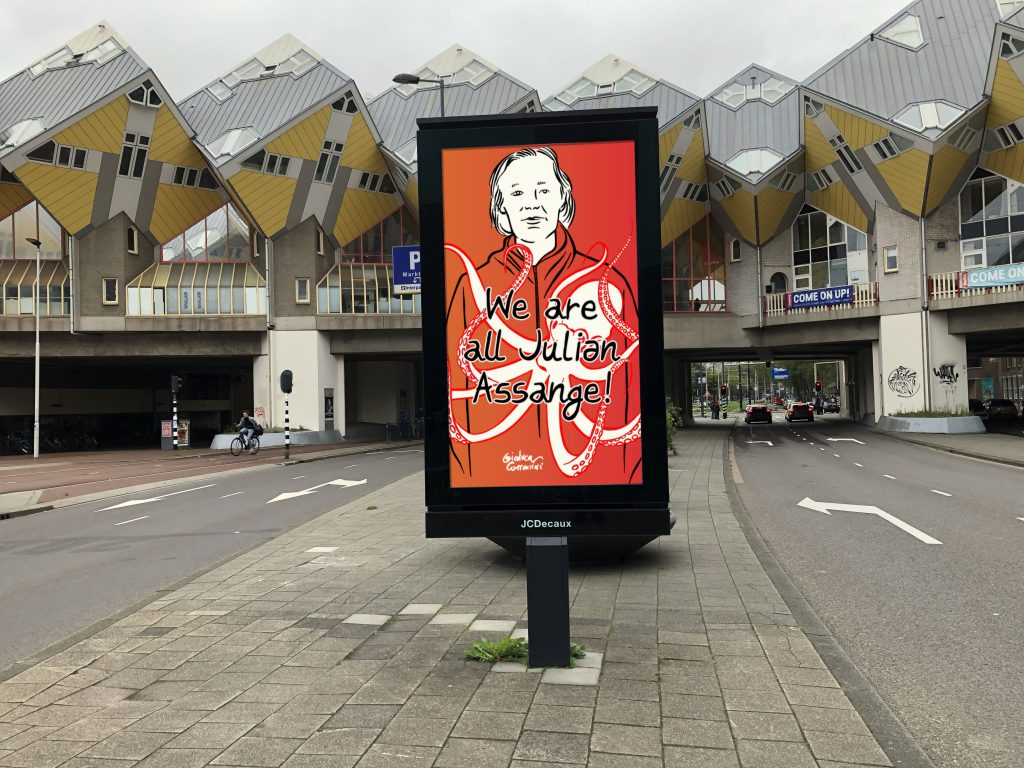
The experiences of imprisoned and persecuted journalists also form part of a broader international struggle to defend the public’s right to information. ChannelDraw has documented this struggle through its work on Julian Assange and WikiLeaks, exploring the relationship between journalism, secrecy, political power and the right to know.
The circumstances surrounding López’s murder are different from those of journalists imprisoned or prosecuted by governments. His case concerns a fatal attack whose perpetrators and motive remain under investigation.
Yet these experiences share an important dimension: the vulnerability of people who gather and communicate information in environments where powerful interests may seek to restrict public scrutiny.
For Indigenous journalists, the disappearance of a local reporter can have consequences extending far beyond the loss of an individual voice.
It can weaken the flow of information within a community, discourage others from investigating sensitive subjects and contribute to an atmosphere of fear.
The murder of Evelio López Sánchez is therefore not only a criminal case requiring investigation. It is also a reminder of the importance of protecting those who document the realities of communities that are too often overlooked.
He was 34 years old.
He had created a platform to report on the place where he lived.
He had publicly warned that he was receiving threats.
On October 2, 2026, he was killed while returning home.
The responsibility for his murder has yet to be established.
What remains is the need for an investigation capable of determining who killed him, why he was targeted and whether the threats he had previously reported could have prompted measures to protect his life.
Evelio Lisandro López Sánchez deserves to be remembered not only as a journalist who was murdered, but as a person who worked to ensure that his community had access to information.
His story is a reminder that defending press freedom also means defending the journalists whose names rarely appear in international headlines.
ChannelDraw is independent and reader-supported. Your support helps us continue documenting artists, journalists and activists whose voices are threatened or censored.
Other ways to support ChannelDraw
You can also support our independent work by joining us on Patreon or Substack, or by purchasing a ChannelDraw Yearbook. Every contribution helps us keep ChannelDraw independent and continue documenting stories that need to be seen.