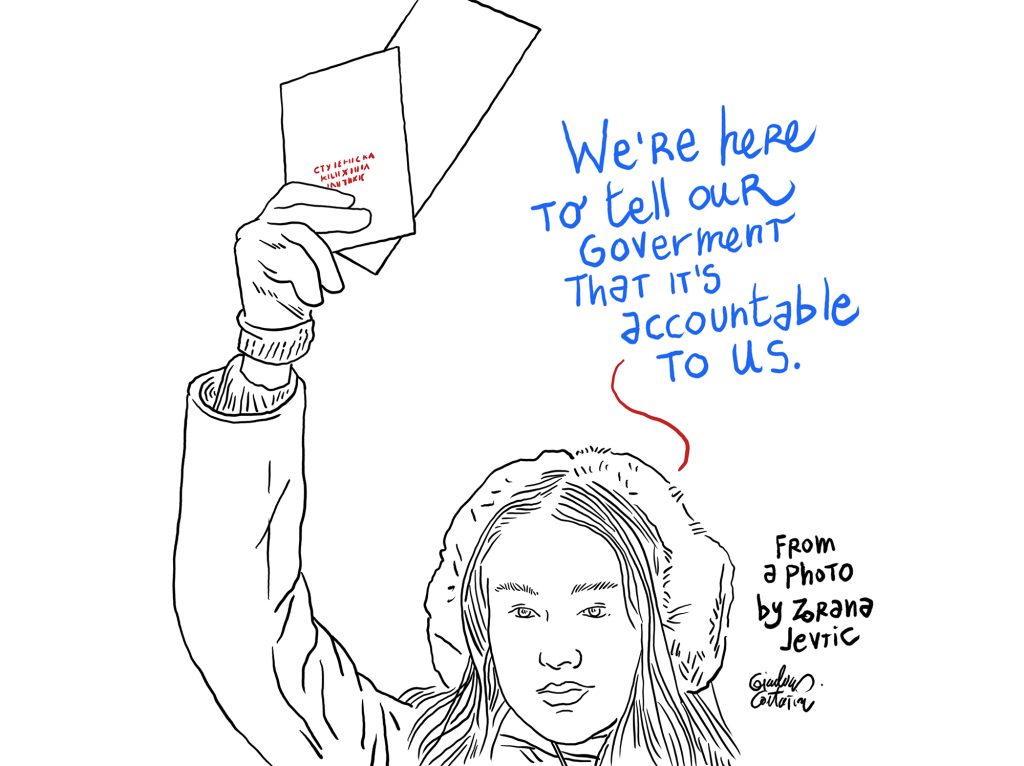
What started as a demand for justice has quickly evolved into one of the most significant movements in Serbia’s recent history. Since November 2024, students across the country have taken to the streets, igniting a wave of protests that challenge government corruption and demand accountability. The spark? A tragic accident at Novi Sad’s railway station that claimed 15 lives, exposing deep-rooted issues within Serbia’s infrastructure and governance.
The Catalyst: A Tragic Incident
The protests began in response to the collapse of a platform roof at Novi Sad’s railway station. The accident, which resulted in 15 fatalities, was attributed by students to government negligence, corruption, and a lack of oversight during the station’s reconstruction. The project, carried out in collaboration with Chinese companies, raised serious concerns about safety standards and transparency. Outraged by the avoidable loss of life, students took to the streets, initially demanding justice for the victims and accountability from those responsible.

Escalating Demands
What started as a singular demand for transparency quickly expanded into a broader movement against government corruption and authoritarianism. Students organized marches, road blockades, and sit-ins, calling for:
- The release of all official documents related to the railway station reconstruction.
- The identification and prosecution of individuals responsible for the collapse.
- The dismissal of government officials implicated in corruption.
- A 20% increase in funding for higher education.
Their persistence paid off. The protests led to the resignation of Prime Minister Miloš Vučević and Novi Sad’s mayor, Milan Đurić. However, students remain resolute, continuing their demonstrations and insisting on deeper systemic changes.
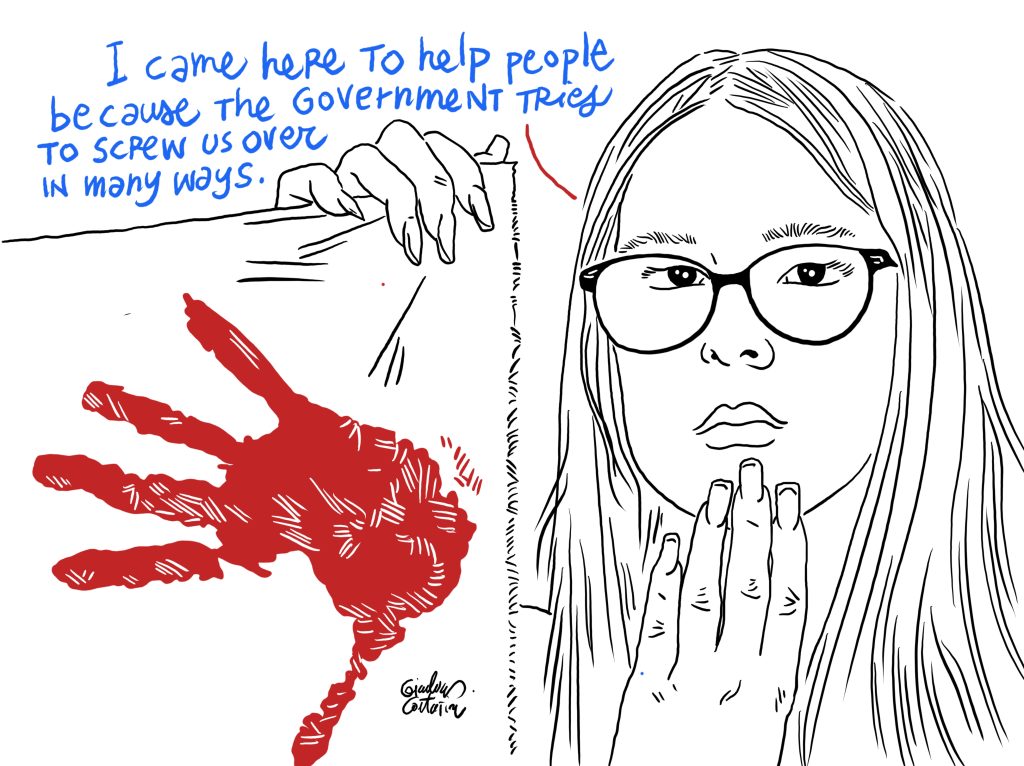
A Growing Movement
Beyond infrastructure and safety concerns, the student-led movement has shed light on broader issues within Serbian governance. Young people, often dismissed in political discourse, have demonstrated their power to mobilize and demand change. Their protests have gained international attention, with organizations like the European Students’ Union voicing support and calling on Serbian authorities to address student concerns.
A Challenge to the Government
The demonstrations represent one of the most significant challenges to President Aleksandar Vučić’s government in recent years. The growing frustration among citizens over corruption and lack of accountability is now impossible to ignore. The protests reflect a wider discontent among Serbians who see the student movement as a symbol of resistance and hope for a more transparent and just political system.
As the protests continue, one thing is clear: Serbia’s students are not backing down. Their fight for justice and accountability is reshaping the political landscape, proving that their voices matter and that real change is possible when people stand together.


