One year has passed since Julian Assange, founder of WikiLeaks and a symbol of the fight for press freedom, walked out of a British prison after years of detention and an endless legal battle with the United States. His release came after a complex and controversial agreement: after more than a decade of diplomatic tensions and mounting pressure from governments, activists, and human rights organizations, Assange agreed to plead guilty to a minor violation of U.S. espionage and hacking laws. In exchange, the Department of Justice dropped the more serious charges that could have led to decades in a U.S. prison.
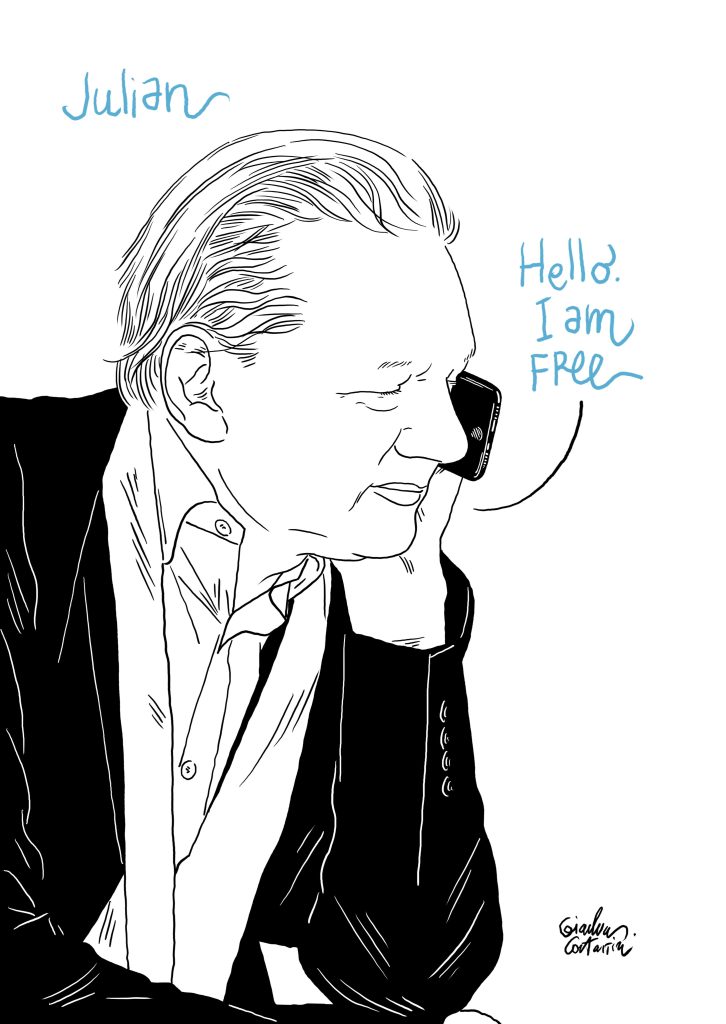
The deal was negotiated at a time of intense international pressure: various governments — from Australia, Assange’s home country, to members of the UK Parliament — called on Washington to close the case on humanitarian grounds, citing Assange’s deteriorating health after years of isolation and incarceration. Prominent journalists, Nobel laureates, and organizations like Amnesty International had also stepped up their campaigns for his release in recent years, describing his prosecution as a direct threat to press freedom worldwide.
Another key factor was the shifting political context: under the Biden administration, some factions within the Democratic Party increasingly viewed the highly symbolic case as politically costly and counterproductive, especially after revelations about controversial CIA methods used to try to neutralize WikiLeaks.


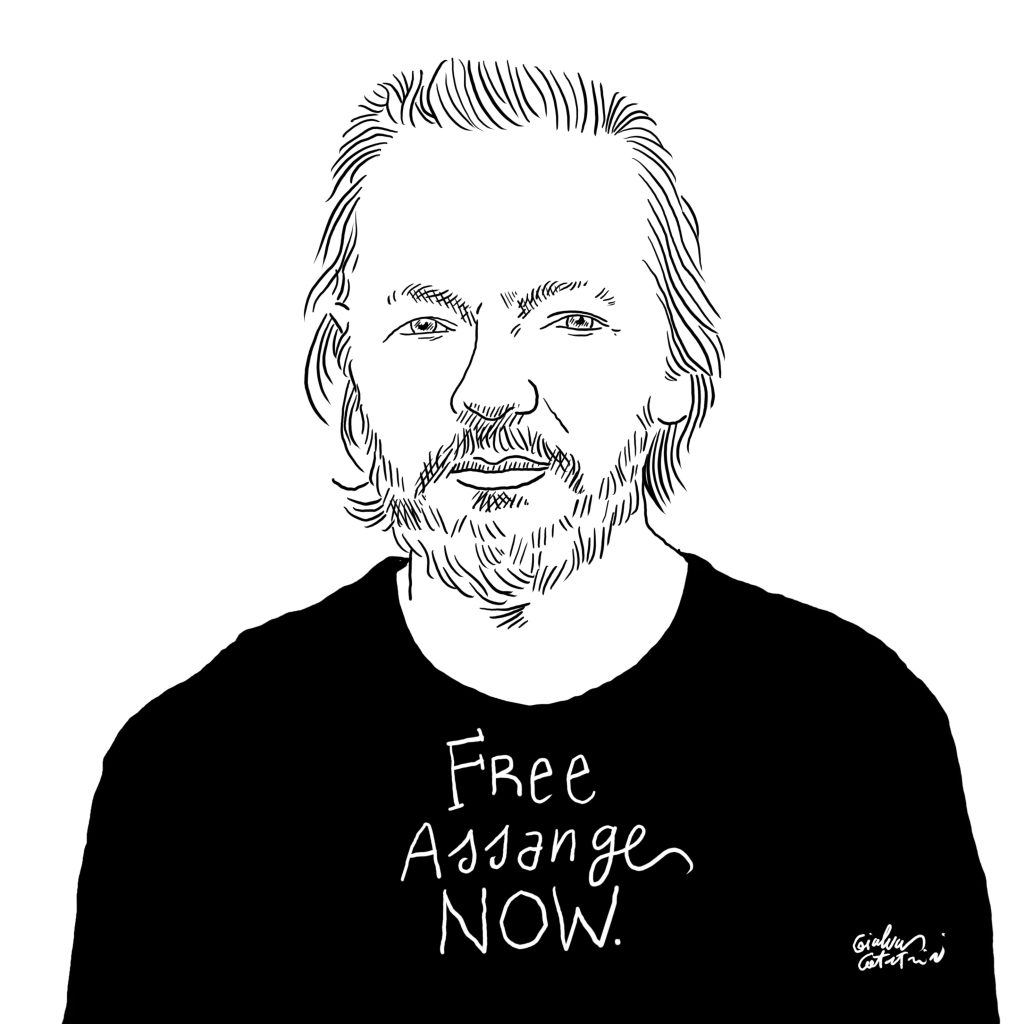
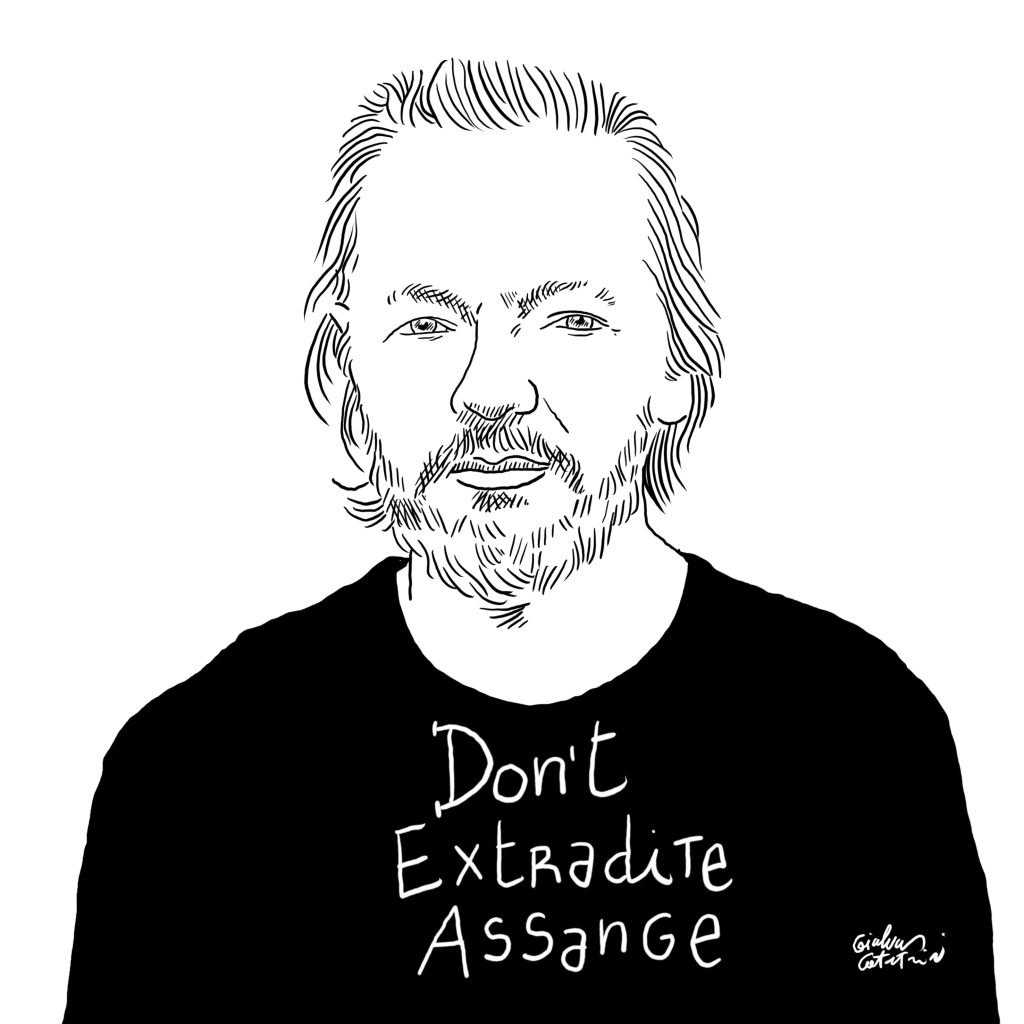
Once released, Assange was finally able to embrace his wife, Stella Moris, and their two young sons, Gabriel and Max. Immediately after his release, he moved with his family to an undisclosed location to recover his physical and mental health, severely damaged by years of isolation. The first months were devoted almost entirely to family life: medical treatment, walks in nature, staying out of the spotlight, and slowly returning to a sense of normalcy, with school for the children and daily moments long denied.
Despite the agreement, his legal situation is not entirely risk-free. Some supporters fear that new legal action could be taken in the future related to other document disclosures. For this reason, Assange’s lawyers and press freedom groups continue to watch closely for any move by U.S. authorities.


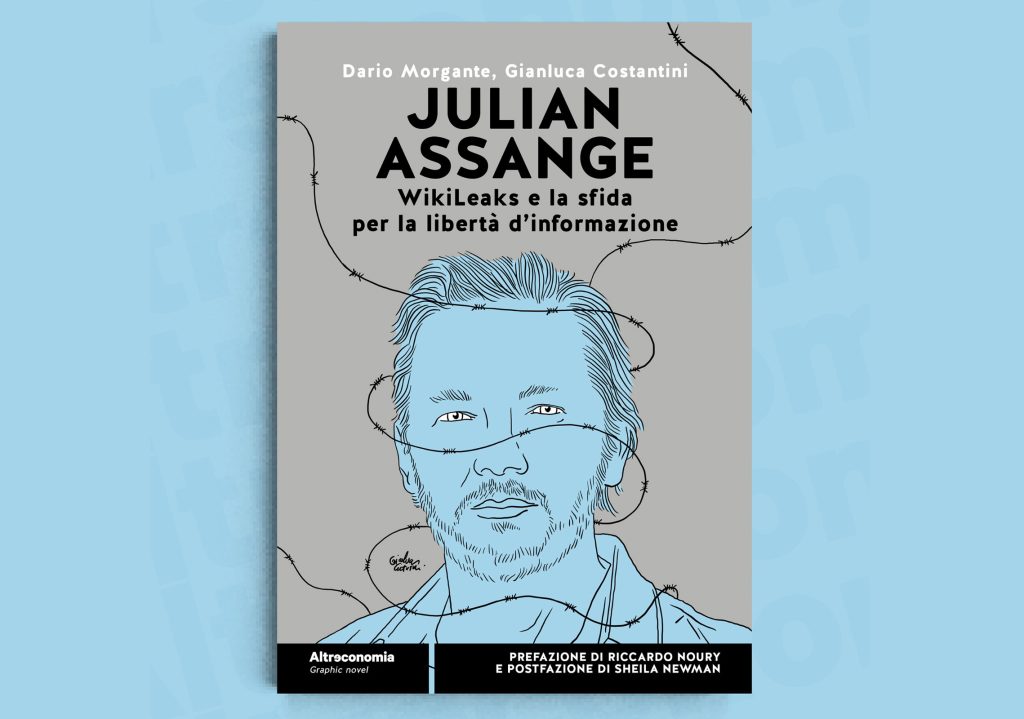

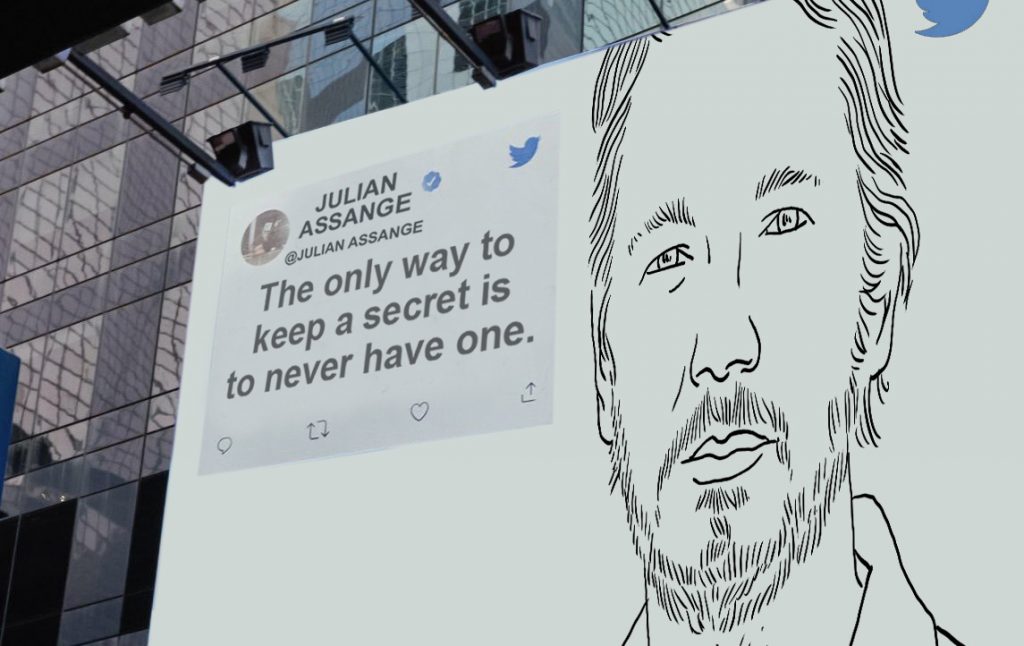


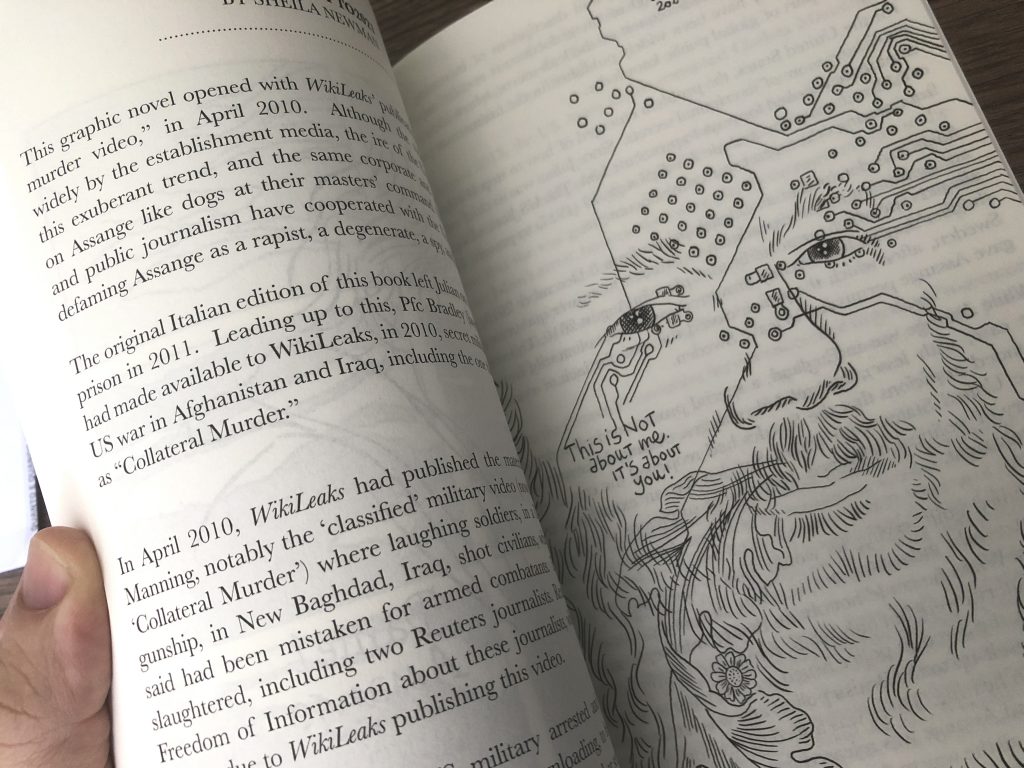
Meanwhile, WikiLeaks has resumed publishing archive material and supporting training projects on digital security and institutional transparency. Assange himself has not yet returned to high-profile public events; instead, he prefers to share his views through statements released by his wife or legal team.
His case continues to fuel a global debate: for many, it remains the clearest example of how democratic governments can punish those who reveal war crimes and embarrassing state secrets. Even though he is now a free man, his story remains a warning and a symbol: the truth comes at a high price, but without those who risk everything to expose it, democracy is an empty word.




Sources
Plea deal & release
- Al Jazeera: “WikiLeaks founder Julian Assange released from prison after US plea deal” dw.com+11aljazeera.com+11uwa.edu.au+11
- ABC News: “Julian Assange freed from UK prison under plea deal with US Justice Department” voanews.com+4abc.net.au+4independent.co.uk+4
Key details of the agreement
- DW: “WikiLeaks founder Julian Assange freed in US plea deal” dw.com+1lemonde.fr+1
- Le Monde: “WikiLeaks founder Julian Assange freed in deal with US” apnews.com+11lemonde.fr+11aljazeera.com+11
CIA assassination/kidnap plot revelations
- Yahoo News: “Kidnapping, assassination and a London shoot‑out: Inside the CIA’s secret war plans” en.wikipedia.org+2yahoo.com+2aarclibrary.org+2
- Al Jazeera The Listening Post: “Kidnap or Kill: The CIA’s plot against WikiLeaks’ Julian Assange” greekreporter.com+3aljazeera.com+3indy100.com+3


