Robert Jenkins Nevin and the Making of St. Paul’s Within the Walls
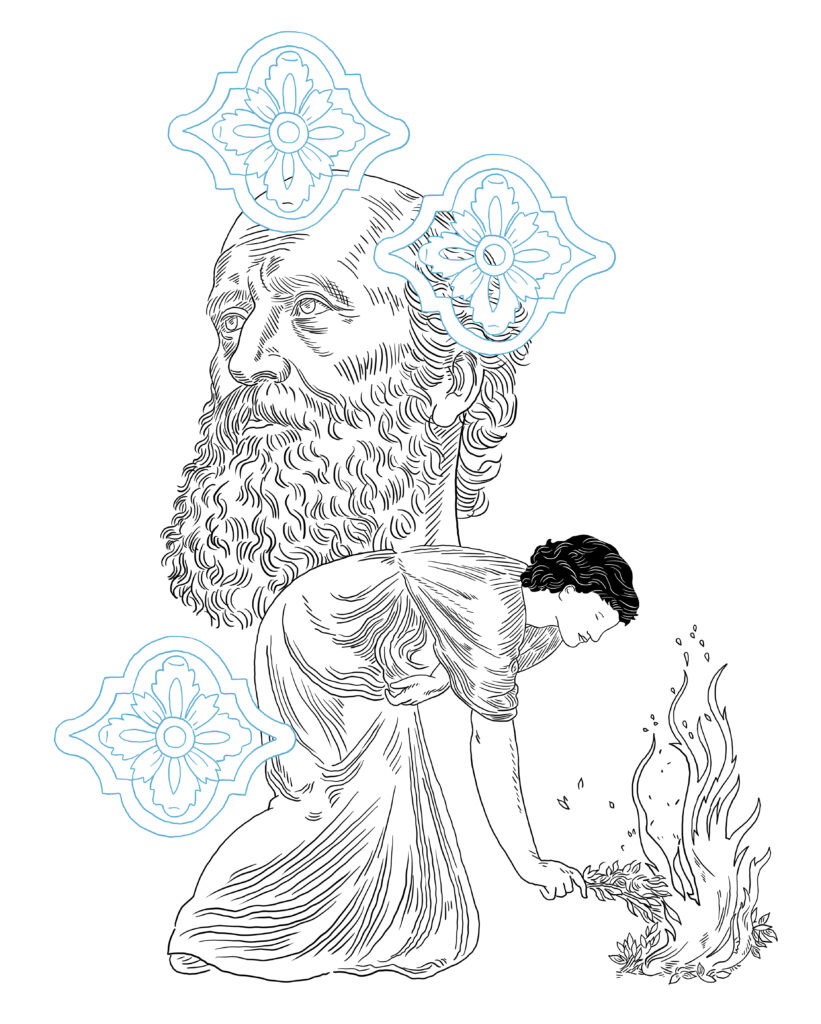
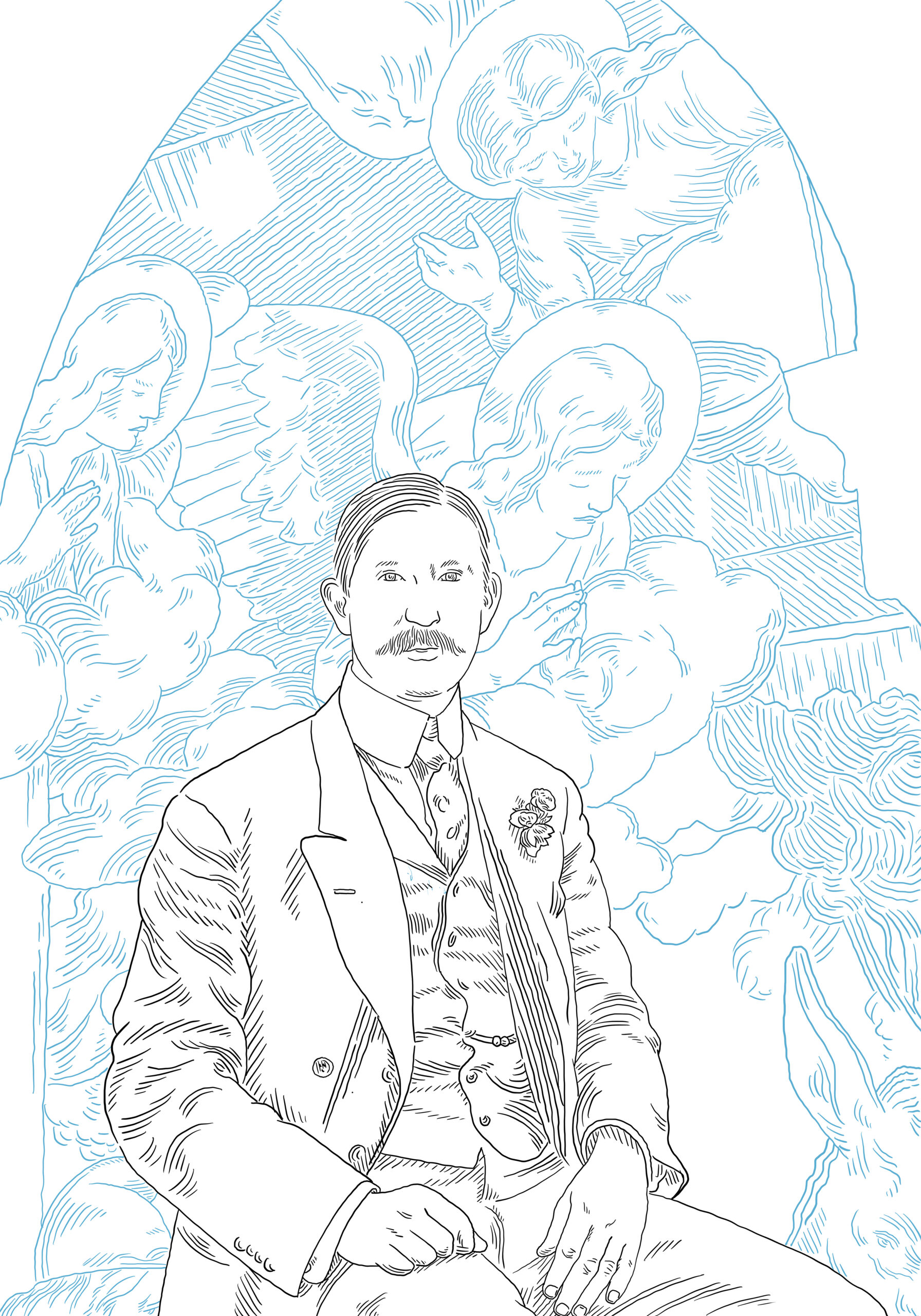
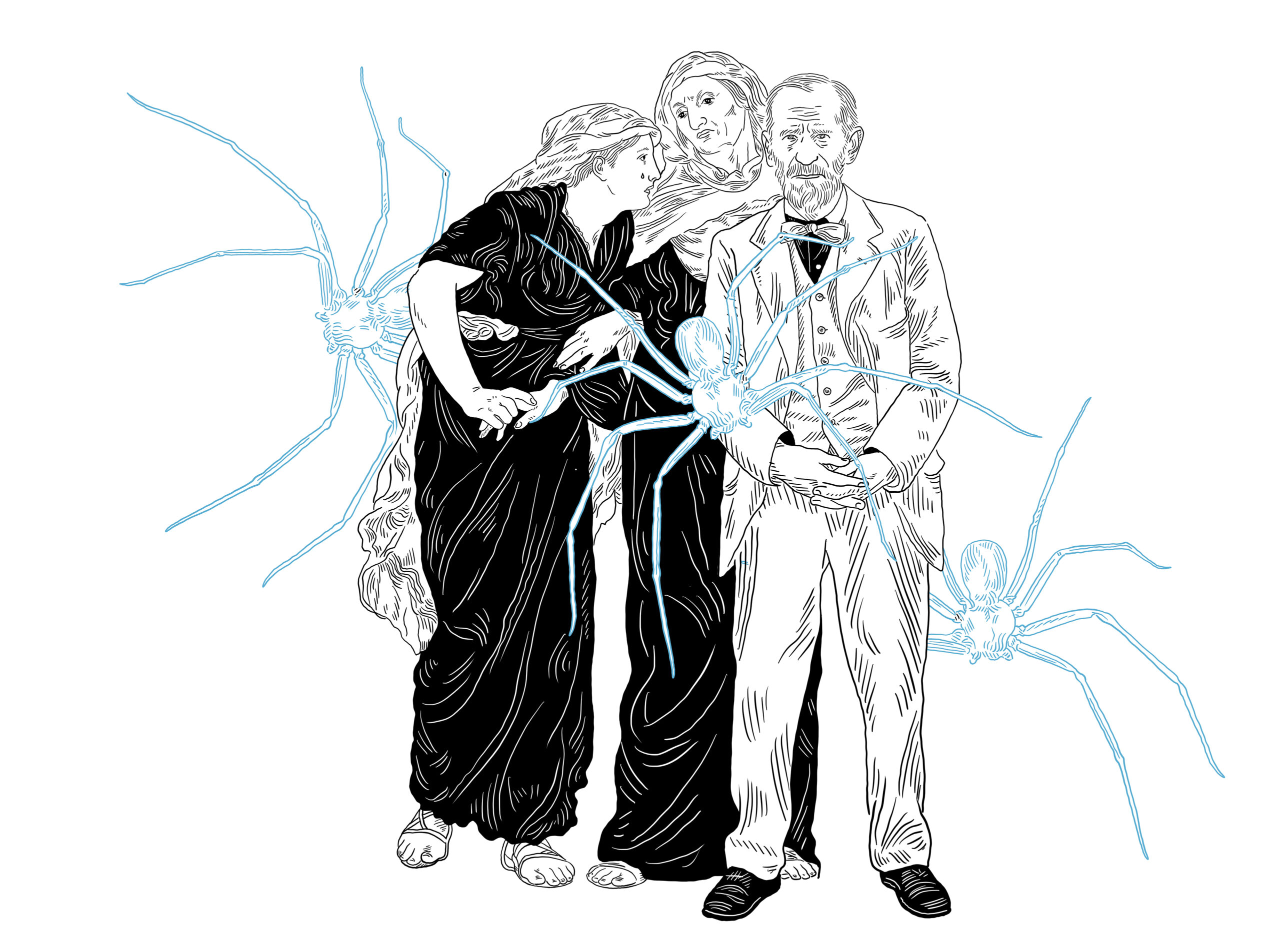
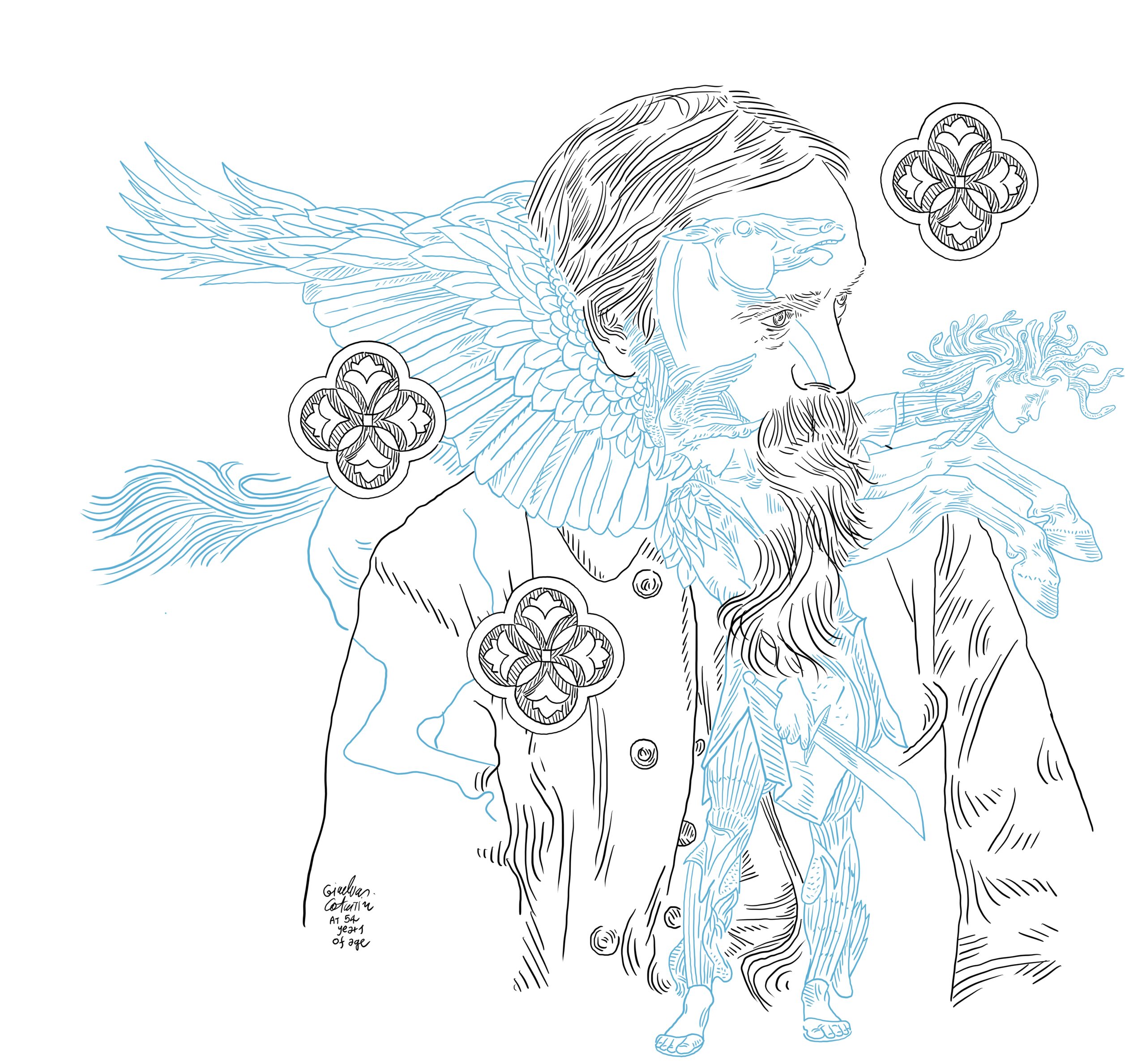
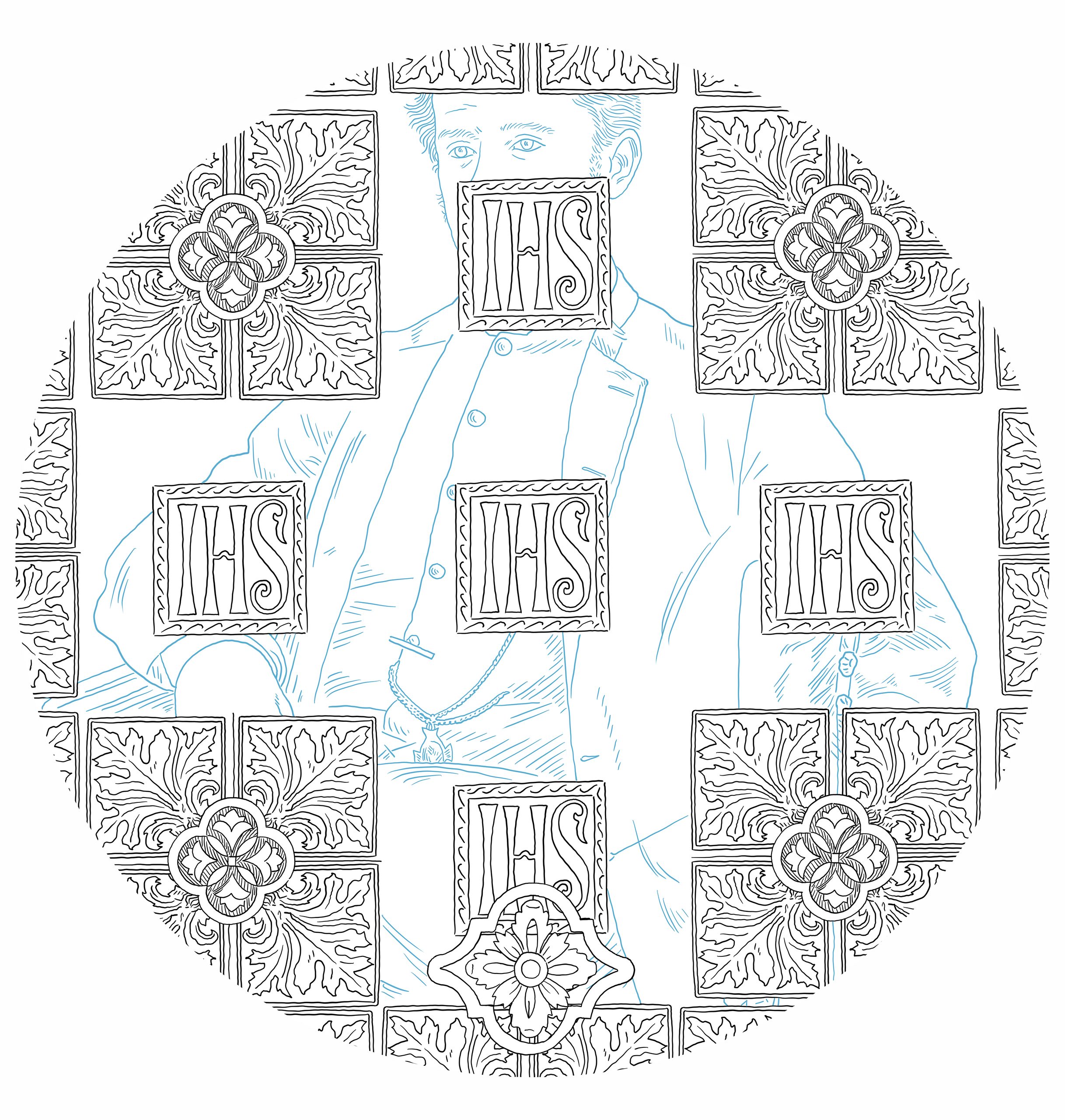
Technical pen drawing executed using a vintage pen plotter by Pen Plot Studio in Hummelo, the Netherlands, unique edition, 2026
From Pennsylvania to Rome
Before Robert Jenkins Nevin became the rector of an American church in Rome, he commanded an artillery battery in the American Civil War. Born on 24 November 1839 in Allegheny City, Pennsylvania, he was the son of Martha Jenkins Nevin and John Williamson Nevin, a theologian who taught at the German Reformed seminary in Mercersburg. The family moved there while Robert was still an infant. He grew up in a household where questions of faith, worship and the history of the Church were part of everyday life. In 1859 he graduated from Franklin and Marshall College in Lancaster. Lancaster Theological Seminary Digital Archive · Century Archives
Nevin served in the Union Army and was commanding a Pennsylvania artillery battery by the end of the war. He then studied at the General Theological Seminary in New York, graduating in 1867. After a brief period of ministry at the Church of the Nativity in Bethlehem, Pennsylvania, he took charge of Grace Church, the American Episcopal congregation in Rome, in 1869. He was thirty years old when the congregation elected him that December. Archives of the Episcopal Church · G. A. Bremner, A Tale of Two Churches
A church within the walls
When Nevin arrived, the congregation worshipped in a converted granary outside the old city walls. The capture of Rome in September 1870 ended papal rule over the city and opened the way for the congregation to build within those walls. In 1871 the vestry authorised Nevin to seek support in the United States and engage an architect. The commission went to George Edmund Street, an English architect whose study of medieval Italian buildings informed his design for the new church on Via Nazionale. The foundation stone was laid on 25 January 1873, the Feast of the Conversion of St. Paul. The church was consecrated in 1876 while work on its interior was still underway. Bremner, A Tale of Two Churches · Paul Mellon Centre, Paul Joyce Archive
The name St. Paul’s Within the Walls made the congregation’s move part of the building’s identity. The dedication to Paul also carried a theological argument. Nevin saw the apostle as central to the history of Christianity in Rome and challenged the exclusive authority he associated with the papacy. His own account of the church, published in 1878, is a record of the building’s early years and of how he wanted readers to understand its place in the city. That polemical outlook belongs to the story of St. Paul’s, alongside the artistic exchanges that shaped its interior. Robert Jenkins Nevin, St. Paul’s Within the Walls · Bremner, Popes and Caesars
Keeping the work going
Street approached Edward Burne-Jones about the mosaics in 1881, the year the architect died. Nevin travelled to England to confirm and expand the commission, which drew financial support from the American banker Junius Spencer Morgan. Burne-Jones prepared the designs in England and Venetian mosaicists translated them into glass. The first great image in the apse, Christ Enthroned in the Heavenly Jerusalem, was unveiled in 1885. Work on the decorative programme continued after Burne-Jones died in 1898 and after Nevin himself died in 1906. Thomas Rooke completed the lower register of the apse, which was installed in 1907. Estate Romana, St. Paul’s Within the Walls · Delaware Art Museum, Burne-Jones’s study for the figure of Christ
Nevin’s work as an intermediary extended beyond the church. He chaired the Standing Committee of the American Episcopal churches in Europe and returned regularly to the United States. In Rome he also helped American collectors and institutions navigate the Italian art market. In 1902 he advised the dealer Giuseppe Sangiorgi to approach the Metropolitan Museum of Art about a group of ancient marbles from the Palazzo Giustiniani. The episode shows another side of the rector: he knew the dealers, collectors and institutions through which works of art moved between Italy and the United States. Century Archives · Metropolitan Museum Journal, “A Giustiniani Bacchus and François Duquesnoy”
Travel also took him far from the church and the art market. A keen hunter, Nevin went to Mexico with two nephews in 1906. He fell ill and died in Mexico City on 20 September, aged sixty-six, while still rector of St. Paul’s. He was buried at Arlington National Cemetery, where the last chapter of his life returned him, in a sense, to the first career that had taken him away from Pennsylvania. Century Archives
The portrait in the exhibition
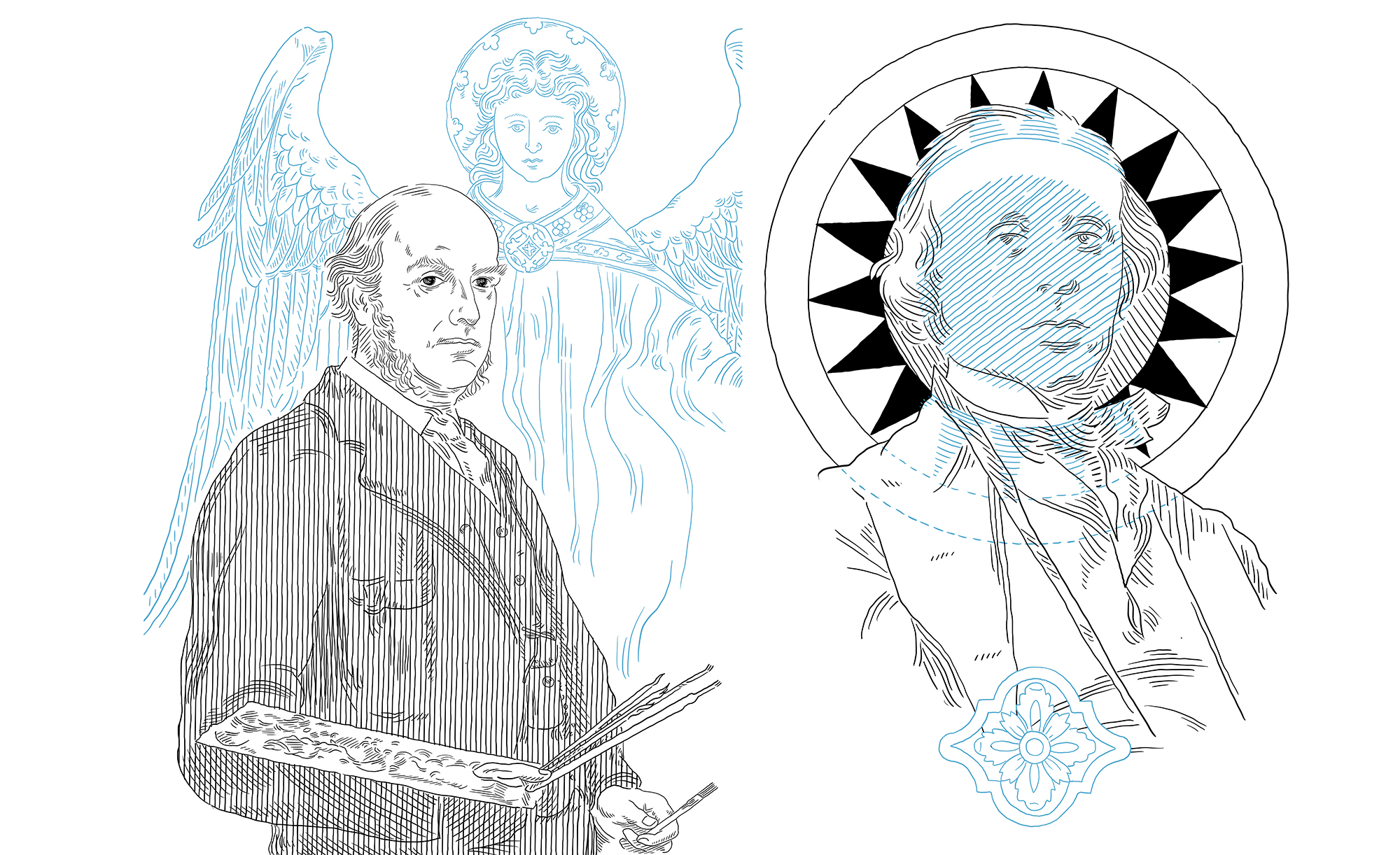
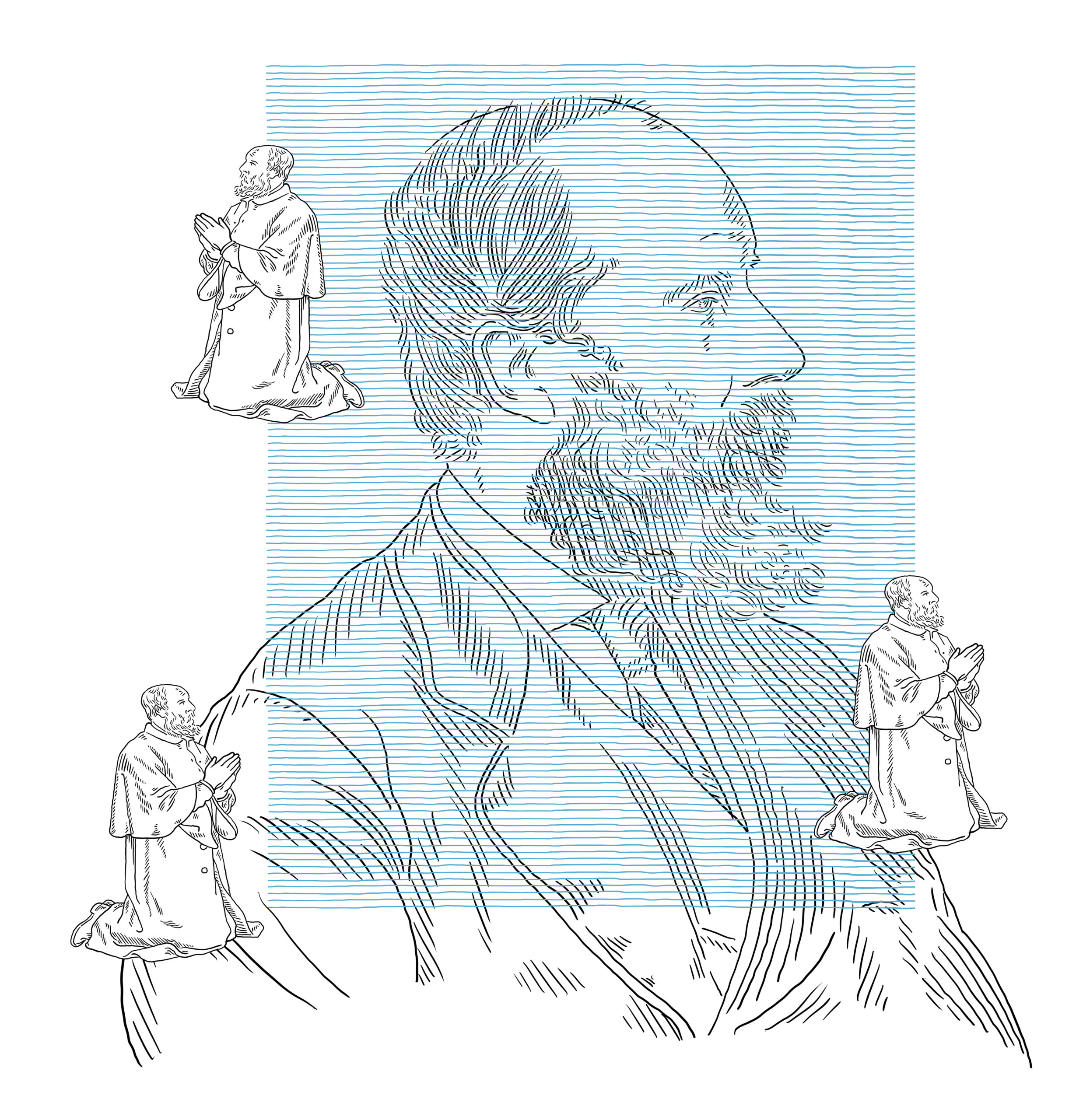
In The Day the Angels Remembered Who Had Drawn Them, I place Nevin’s portrait alongside those of the people who designed the building, drew its figures and made its windows and mosaics. His part in their work is harder to see when you stand in the church. It survives in the choice of an architect, in the journeys made to secure a commission and in the support that allowed a project to continue after the people who began it had died.
The title of the drawing imagines Nevin leaving a room empty so that light can lose its way. I think of that room as a space whose appearance is still undecided. A hundred and fifty years after the consecration of St. Paul’s, the portrait asks us to spend a moment in that unfinished room and consider how many people it took to give it the light we see today.