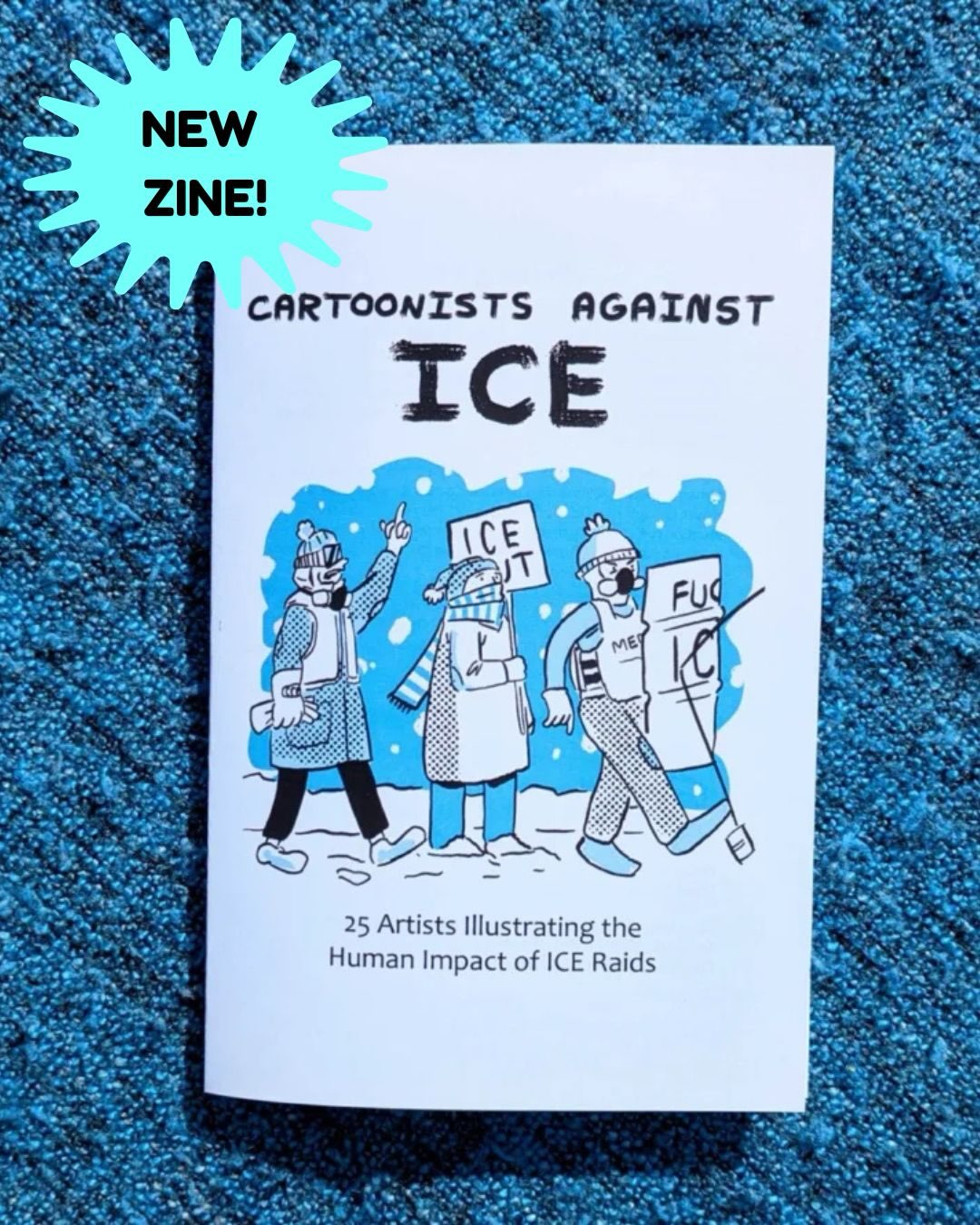
How an anti-ICE protest became a landmark federal conspiracy case
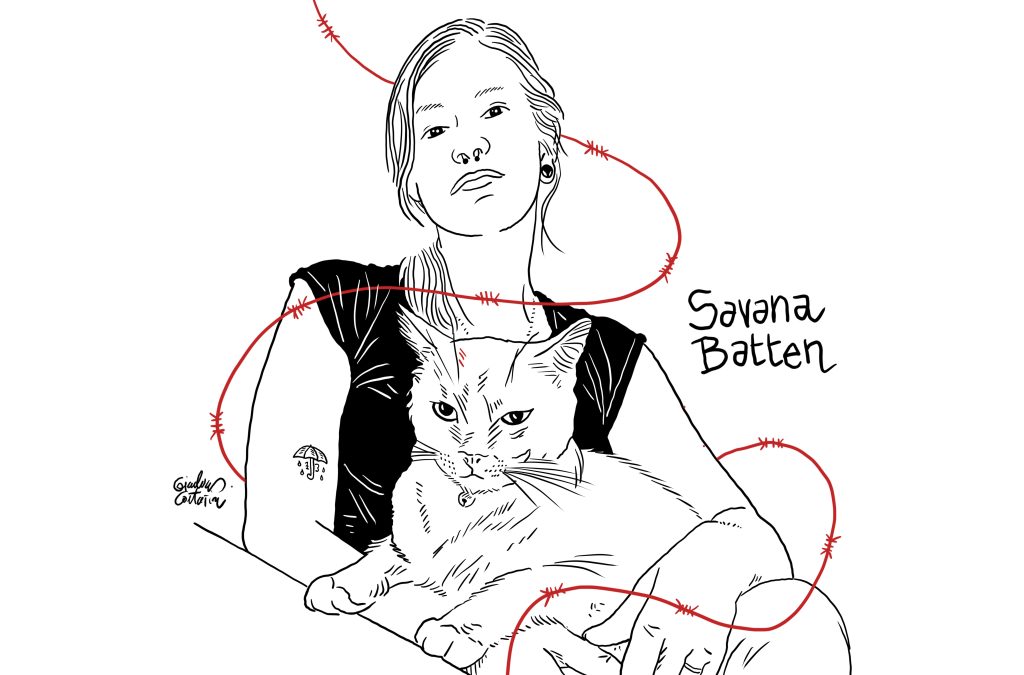
The arrest of Savanna Batten became one of the most closely watched cases arising from recent protests against U.S. immigration enforcement. Her case stems from the events of July 4, 2025, outside the Prairieland ICE Detention Center in Alvarado, Texas, where a demonstration escalated after a local police officer was shot in the neck.
Batten was arrested along with several other activists in the days following the protest. Federal prosecutors alleged that the group had planned a coordinated attack on the detention facility, using fireworks, vandalism, and other tactics to disrupt federal officers. The government described the prosecution as a major domestic terrorism case, while the defense argued that the demonstration was a political protest against U.S. immigration policies and that the shooting was the independent act of a single participant, not the result of a collective plan.
From the outset, Batten faced a series of serious federal charges. In addition to riot-related offenses, prosecutors charged her with providing material support to terrorists, conspiracy to use explosives, and using explosives during the commission of a violent crime. The “explosives” referred to in the indictment were commercial fireworks used during the protest—a legal interpretation that drew significant criticism from civil liberties advocates.
The federal trial began in February 2026 in Fort Worth, Texas. Over several weeks, jurors heard testimony from dozens of witnesses, including two co-defendants who had accepted plea agreements and agreed to cooperate with the government. Prosecutors argued that the defendants operated through organized affinity groups and had planned the action in advance. Defense attorneys countered that no terrorist organization existed and that the government was stretching conspiracy law to criminalize political dissent.
Throughout the proceedings, Batten’s family remained a visible presence outside the courthouse. Her sister, Amber Lowrey, described her as “sunshine in human form,” portraying her as someone devoted to helping others and rejecting the government’s depiction of her. Supporters gathered throughout the trial, arguing that the prosecution represented an attack on the right to protest.
On March 13, 2026, the jury found Batten guilty of riot, providing material support to terrorists, conspiracy to use explosives, and using explosives during a violent crime. Unlike Benjamin Song, who was convicted of shooting the police officer and attempted murder, Batten was not convicted of firing a weapon. Instead, the prosecution successfully argued that her criminal liability arose from her participation in and support for the collective action.


On June 23, 2026, a federal judge sentenced Batten to 50 years in prison. The sentence—one of the harshest imposed on an activist involved in an anti-ICE protest in the United States—sparked strong reactions from civil rights organizations and social movements, many of which argued that the punishment was grossly disproportionate to her alleged role. Along with the other defendants present that night, she was also ordered to pay restitution for the damage caused to the detention facility.
Savanna Batten’s case continues to resonate far beyond Texas because it raises broader questions about the boundaries between protest and terrorism, the expanding use of federal conspiracy law, and the extent to which participants in a political demonstration can be held criminally responsible for the actions of others. For prosecutors, the trial demonstrated the existence of a coordinated and dangerous operation. For many civil liberties advocates, it established a troubling precedent that could reshape the future of political protest in the United States.