A death during a police intervention raises urgent questions about accountability, the use of force, and the value of every human life
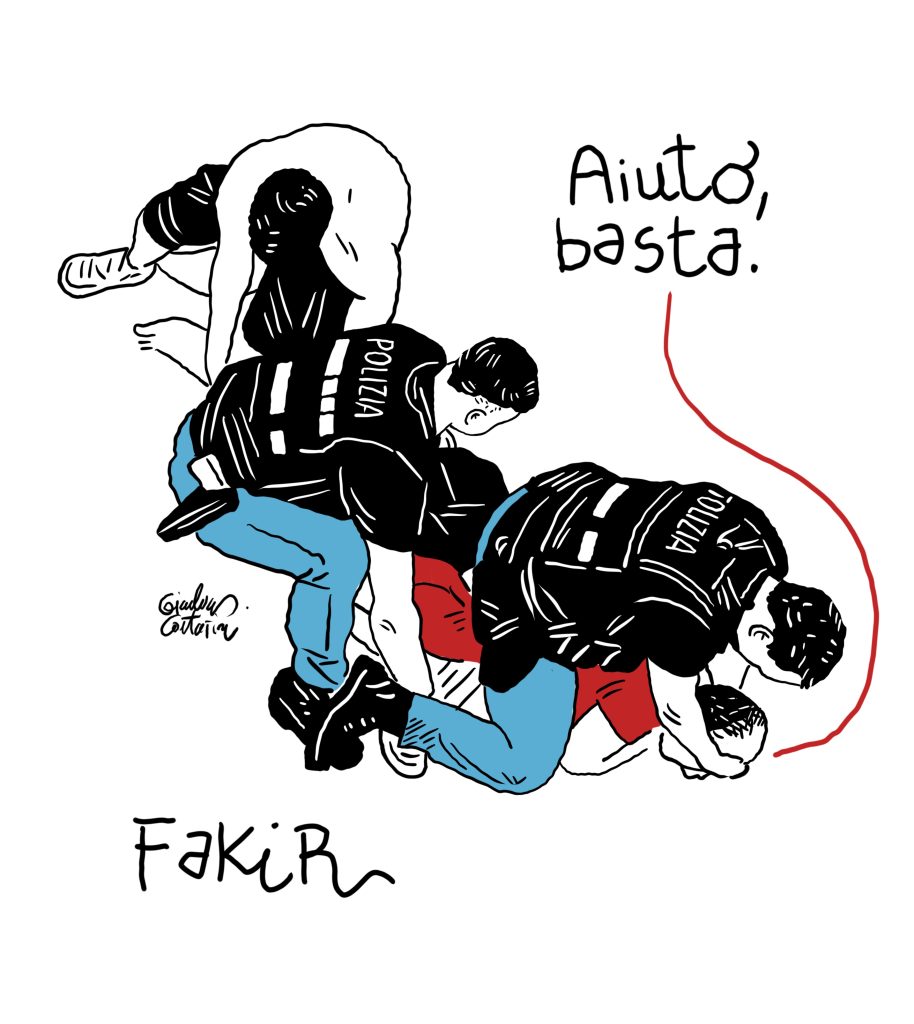
There are images that cannot be ignored.
The last words of Abderrahim Fakir — “Help, enough” — have become the sound of a question crossing Bologna and reaching much further: how can a person die while he should have simply been stopped and protected?
Abderrahim Fakir was 42 years old, originally from Morocco, and lived in Bologna, where he ran a small business. He died on July 19 during a police intervention in the Pilastro neighborhood. A video recorded by a local resident shows the final moments of the incident, with Fakir restrained on the ground before losing consciousness. The authorities are investigating to establish what happened and determine any responsibilities.
A man died during a police intervention after being restrained on the ground. Images of those final moments have shocked many people and opened a necessary debate about accountability, procedures, and the value of every human life.
Justice must establish the facts. But every life deserves attention, respect, and a voice.
It is not our role to deliver a verdict. It is the role of justice to establish the truth.
But a democratic society has the right — and the duty — to ask questions.
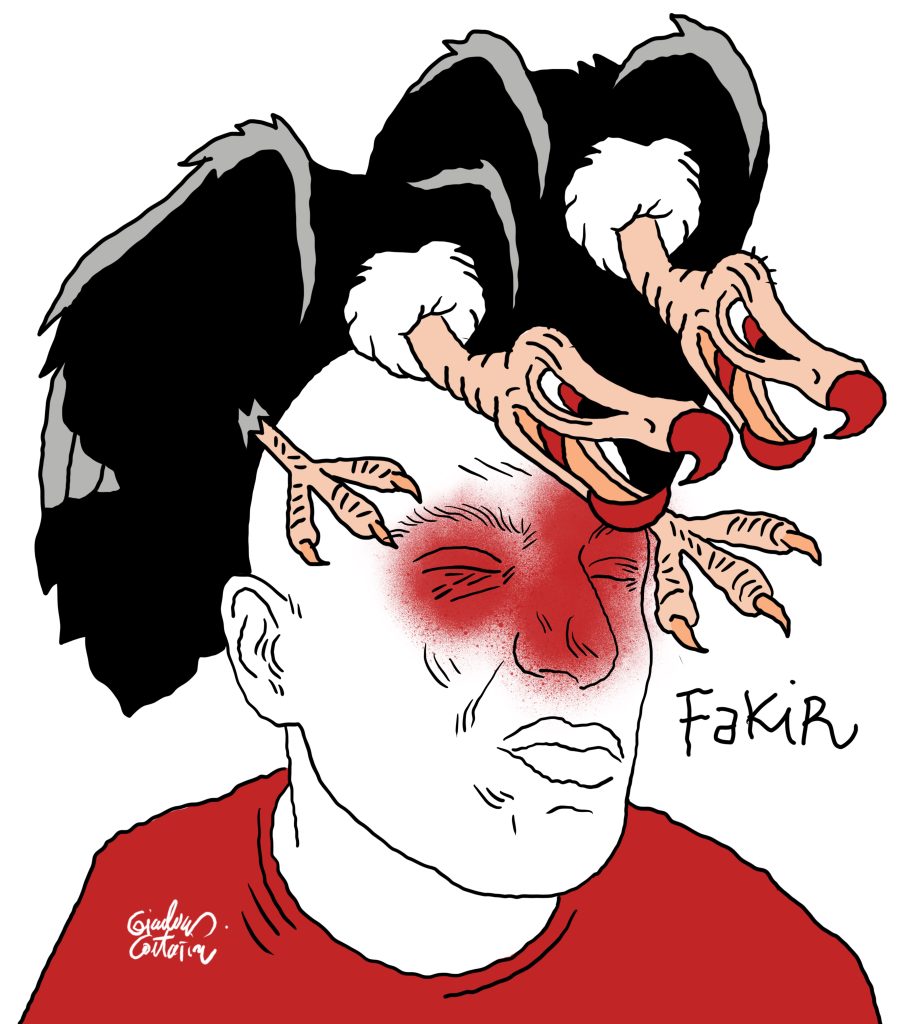
It must ask whether the use of force was necessary, whether every procedure was followed, and whether a person in distress was seen first as a human being and not simply as a problem to be controlled.
Because this is not only about the death of one man. It is about the value we give to human life in the most vulnerable moments: when someone is on the ground, when they have lost control of the situation, when their voice becomes a desperate cry.
The words “Help, enough” are not only the plea of one man. They are a question addressed to all of us.
We live in a time when violence is often normalized, when another person’s body can become an obstacle to remove, when marginalized neighborhoods are too often described only through fear and emergency.
But every body has a name. Every person has a story.
Abderrahim Fakir is not a symbol. He is not just a case to be used in a political battle. He was a man, with a family, a job, and a life built far from the place where he died.
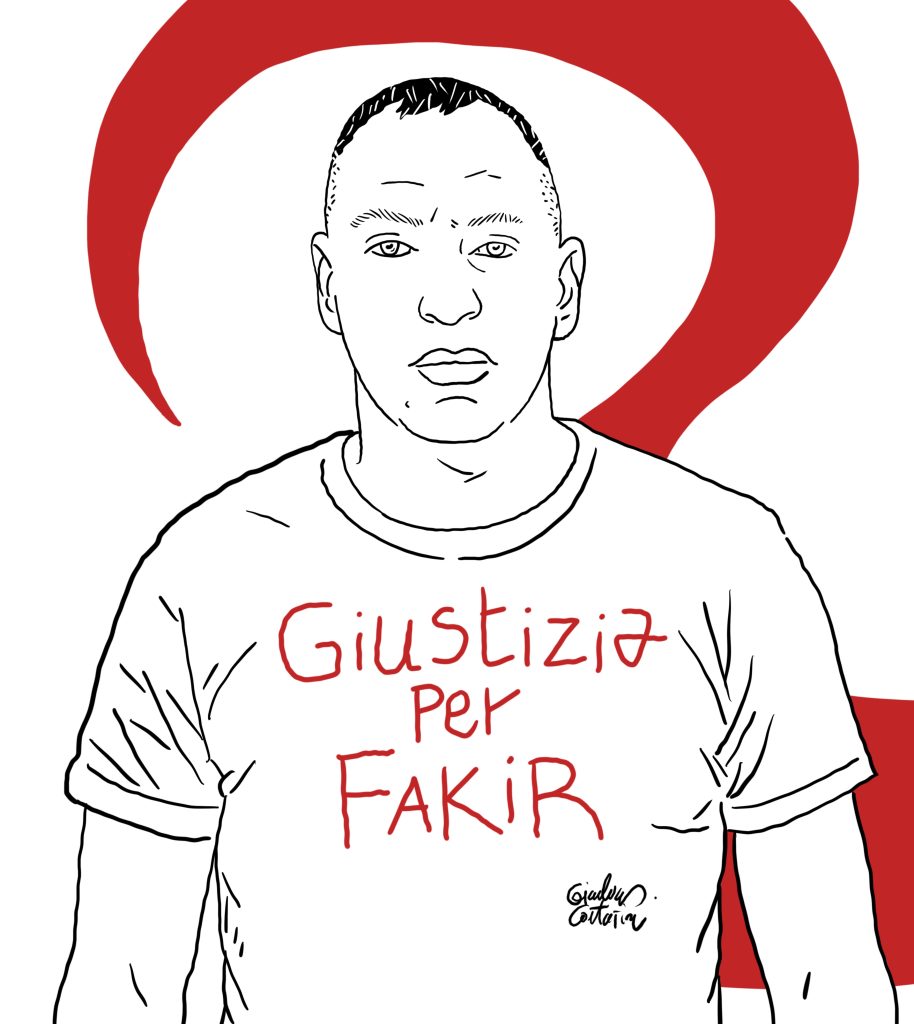
Asking for justice does not mean standing against someone. It means defending the simplest principle of democracy: no one should lose their life without every second, every action, and every decision being fully examined.
Justice for Fakir begins with the search for truth.
Because when a person cries “help” and no one can save them anymore, that question does not concern only one family.
It concerns all of us.
No one should become just a number.
The death of Abderrahim Fakir, which occurred on July 19, 2026, in Bologna’s Pilastro neighborhood during a police intervention, is currently the subject of an investigation aimed at clarifying every stage of what happened.
Fakir, 42, originally from Morocco and the owner of a small business, was in the area when local residents requested police assistance following a situation described as one of strong agitation. According to initial reports, the call concerned a disturbance and alleged damage to a vehicle.
Police officers arrived at the scene, followed later by emergency medical personnel. According to the information available so far, officers attempted to control the situation and then restrained Fakir on the ground in order to proceed with the intervention.
A video recorded by a local resident and later shared publicly shows part of the operation. Fakir can be seen on the ground while being held by officers, repeatedly asking for help. The footage shows the final moments of the intervention, when his movements gradually stop. The images are now among the elements being examined by investigators, together with other available evidence, including any possible body-camera recordings.
The Bologna Prosecutor’s Office has opened an investigation to establish the causes of death and the exact circumstances of the intervention. All aspects of the event are being examined, including the actions of those involved and the medical response that followed.
Several technical questions remain to be clarified:
- What was Fakir’s exact physical and psychological condition when police arrived?
- What level of force was used, and was it necessary and proportionate?
- How long was he kept in a restrained position?
- When were the first signs of medical distress identified?
- What procedures were followed by both law enforcement officers and emergency responders?
The autopsy and forensic examinations will be essential in determining the cause of death and whether there was a direct connection between the intervention and Fakir’s death.
The case has generated strong public reaction in Bologna, with demonstrations and calls from citizens and organizations demanding transparency and accountability. Fakir’s family has asked for justice and a complete reconstruction of the facts.
At the center of the investigation remains one fundamental question: what happened during those final minutes?
A person died during a public intervention. Every action, every decision, and every moment must be carefully examined.
Establishing the facts is the responsibility of the justice system. But the right to ask for truth belongs to everyone.