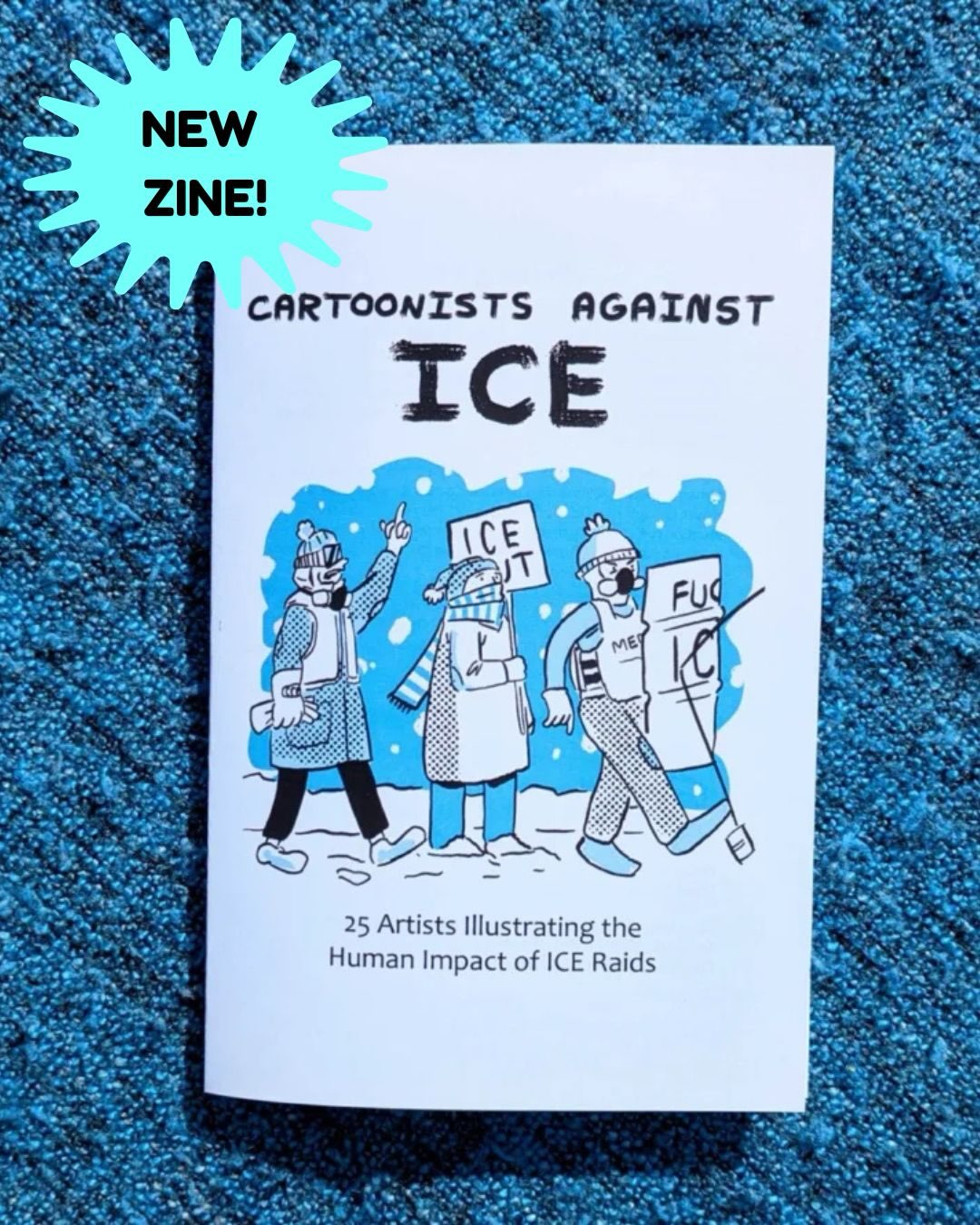
Zines, terrorism, and the expansion of criminal law

In Texas, the case linked to the protest outside the Prairieland detention center continues to expand, increasingly taking on the contours of a political as well as judicial trial. The sentences handed down to several defendants — ranging from decades to up to 100 years in prison — have drawn the attention of legal scholars, activists, and civil rights organizations, particularly because of the expansive use of domestic terrorism charges applied to a protest context.
Among the most discussed cases is that of Daniel Sanchez-Estrada, sentenced to 30 years. In this case as well, his physical presence at the protest was never proven: according to available accounts, he was not on site during the clashes of July 4, 2025, outside the Prairieland facility. His involvement stems from a later and indirect episode, after a phone call from his wife, who was involved in the demonstration. At that moment, Sanchez-Estrada allegedly moved a box containing zines, small self-published booklets connected to radical political culture and social movements.
It is precisely this minimal gesture that becomes the subject of the accusation. The zines are treated not as materials of cultural expression, but as possible “material support” to a context defined by the authorities as terrorist. In some journalistic accounts, even political guides and theoretical pamphlets seized alongside these materials are incorporated into the construction of the indictment, contributing to a narrative in which the circulation of texts becomes part of an alleged conspiracy.
At the same time, other sources underline how the case is not isolated but embedded in a broader judicial operation against activists involved in the protest. The trial has resulted in the conviction of nine people in total, with charges including seditious conspiracy, use of explosives (including references to fireworks), and “material support for terrorism.” The case has been described by federal authorities as one of the first applications of an indictment framework related to an alleged “antifa cell,” while defense lawyers and several civil rights organizations dispute this characterization, describing it as a politically constructed crime.
In this context, Sanchez-Estrada’s position has become particularly symbolic: an individual who, according to the same accounts, did not participate in the protest, but is nevertheless drawn into the proceedings and convicted for indirect acts linked to the handling of cultural materials.
Further reporting also indicates that the case is not limited to the criminal dimension but directly involves immigration consequences. Sanchez-Estrada, a lawful permanent resident, also faces deportation. According to reports, authorities have exerted pressure on his immigration status, linking the criminal proceedings to the possible revocation of his permanent residency. Plea offers, according to sources, reportedly include removal from the country as an inevitable consequence.
This adds another layer of complexity: it is not only a matter of imprisonment, but of the potential erasure of his biographical roots in the United States, where he has lived since adolescence.
The Prairieland case thus fits into a broader context in which the line between protest, political association, and terrorism offenses is being progressively redefined. Legal categories originally developed in entirely different contexts — such as post-9/11 international terrorism frameworks — are being applied to domestic protest situations, with effects that many observers consider disproportionate.
The central issue, however, remains the symbolic transformation of zines: from marginal objects of independent culture to potential evidentiary elements in a federal criminal trial. A transformation that raises a broader question beyond the individual case: what happens when cultural production is read through the language of national security?
In this shift, the risk concerns not only the penalties imposed, but the very boundaries of freedom of expression. When a printed object, an indirect gesture, or a personal connection becomes sufficient to construct a terrorism charge, what shrinks is not only the space of protest, but the space of shared thought.
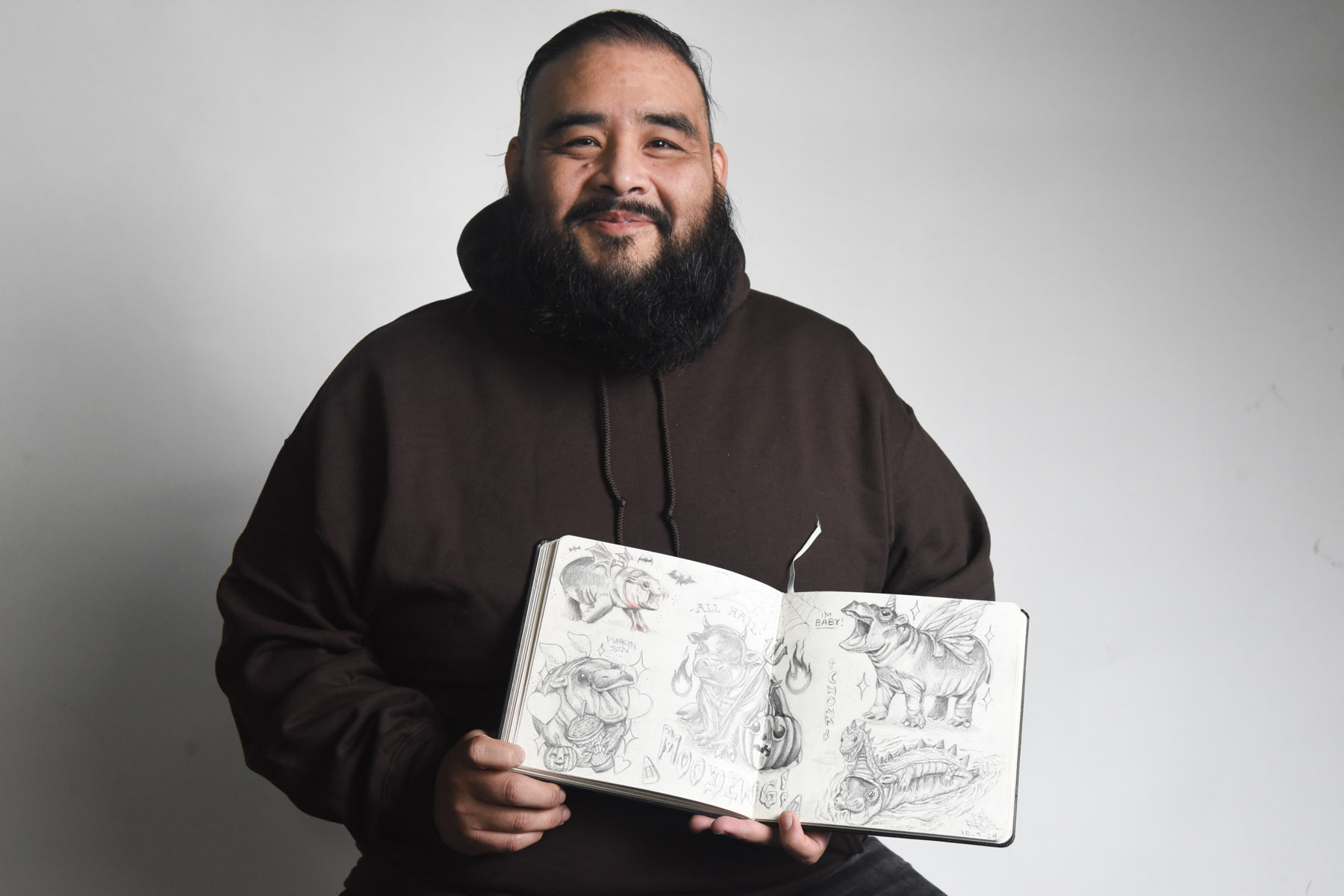
Des has been sentenced to a 30 years in prison. We are shocked, heartbroken, enraged—but we remain steadfastly by Des’s side and ask that you do the same.
Daniel “Des” Sanchez Estrada is a tattoo artist, immigrant, and all-around sweetheart who was wrongfully arrested and convicted of moving a box of anarchist zines. Yes, you read that right—our friend Des is currently in prison because the Trump administration claims that printing, reading, or possessing certain literature is evidence of a crime.
Des is one of the Prairieland defendants: 9 Texas-based activists whose recent jury trial has become the test case in the government’s campaign to label “antifa” (short for antifascism) and other forms of dissent as domestic terrorism. The Freedom of the Press Foundation has described Des’s case as “prosecutorial overreach stacked on more prosecutorial overreach,” and the National Lawyer’s Guild has called for Des’s release, stating that his case should “shock us all.”
We need your help to free Des and say NO to the criminalization of political speech! Link