Blending Adult Themes, Visual Innovation, and Social Commentary in Animation

They say I’m revolutionary, but they’re all worng. Ralph Bakshi
Ralph Bakshi, born in 1931 in Haifa and raised in New York, is one of the most iconoclastic and influential figures in 20th-century American animation. His career is marked by a consistent breaking of traditional boundaries within the medium, tackling adult themes, socially controversial topics, and culturally innovative ideas, in stark contrast to the mainstream output of major animation studios such as Disney or Warner Bros.
Bakshi began his career as an animator at Terrytoons, where he learned the fundamentals of commercial animation and visual comedic timing. This experience allowed him to develop a deep technical knowledge and the ability to lead large animation teams. However, he soon felt the need to go beyond the limits of American “cartoon culture,” which he considered too conservative and exclusively aimed at children.
In the 1960s, he moved away from conventional studios and began experimenting with more adult and realistic forms of animated storytelling. His first major independent film, Fritz the Cat (1972), adapted from Robert Crumb’s underground comics, was revolutionary. It became the first animated feature to receive an X rating in the United States, addressing themes of sex, drugs, racism, and urban corruption. The film was a commercial success and paved the way for animation aimed at adult audiences, with explicit political and social content.
The relationship between Bakshi and Crumb is particularly notable. Crumb had created Fritz as a satirical and provocative character within the context of underground comics, offering subtle, cynical social commentary. When Bakshi adapted the comic for cinema, Crumb initially agreed but later expressed disappointment, feeling that the film betrayed the original spirit of the character by emphasizing sexual content and shock value over political and social satire. In interviews, Crumb stated he felt betrayed, especially because the commercial success of the film turned his underground creation into an adult cinema icon without his full creative consent. This tension between the original author and the adapting director is emblematic of Bakshi’s career: he reinterpreted existing material through his provocative, socially conscious visual language, creating works that challenged the expectations of both audiences and original creators.
Bakshi is renowned for his unique style, which blends traditional animation, rotoscoping, and live-action elements. Rotoscoping—a technique in which live-action footage is traced over to create animation—allowed him to achieve a level of realism in character movement rarely seen at the time. Films such as Heavy Traffic (1973) and Coonskin (1975) display a raw, irreverent urban aesthetic, with characters and environments reflecting the social tensions, racism, and violence of contemporary American society.
A constant feature of Bakshi’s work is the desire to confront reality unfiltered. His films explore marginality, societal contradictions, urban violence, sex, and drugs—topics considered taboo in mainstream animation. At the same time, he integrates elements of pop culture, jazz, funk, and underground comics, creating a visual language that is both original and immediately recognizable.
In the 1970s and 1980s, Bakshi expanded his repertoire to include fantasy and myth, while maintaining an adult, experimental tone. Wizards (1977) is among his most emblematic works, merging science fiction and fantasy with a narrative that combines fairy-tale elements and clear political commentary on war and the use of technology. The story contrasts two brothers, representing good and evil, in a post-apocalyptic world where magic and science collide—a metaphor for ideological and cultural tensions of the era. Technically, the film makes extensive use of rotoscoping and layered textures to create unique visual effects, blending traditional animation with experimental visual approaches.
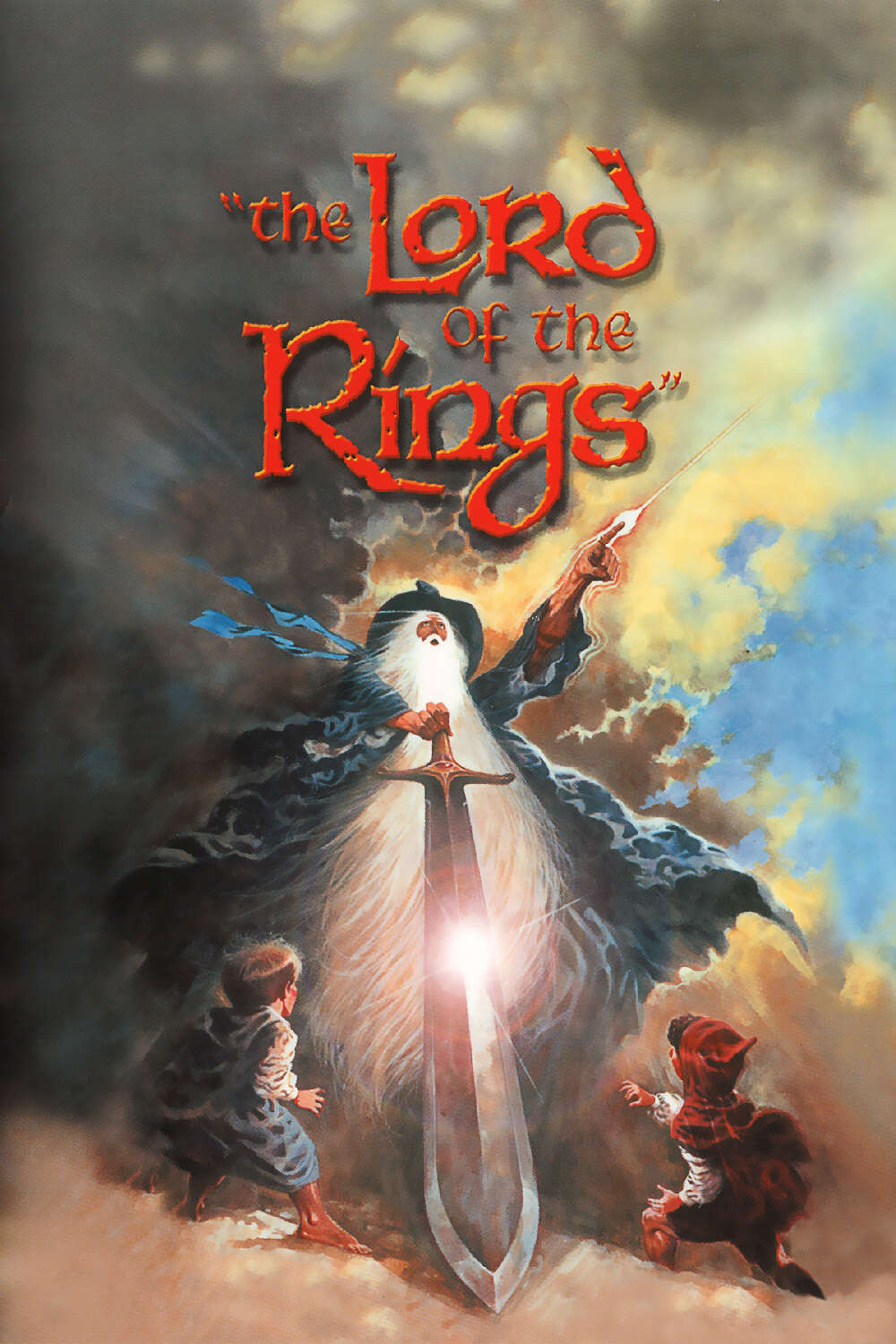
Bakshi continued this experimentation with The Lord of the Rings (1978), the first animated adaptation of the trilogy, which maintained his raw and innovative style while heavily employing rotoscoping to render characters and battle sequences more realistic. Here too, reception among Tolkien enthusiasts was intense, with praise for the visual audacity and criticism for narrative simplifications. Bakshi consistently demonstrated artistic integrity: even when adapting widely known material, his approach remained personal, marked by a distinct visual signature and a persistent interest in merging technical experimentation with adult content.
Bakshi challenged the conventions of both cinema and animation, influencing generations of artists and filmmakers, from creators of adult animated series like The Simpsons and South Park to directors exploring the fusion of live-action and animation. His work demonstrated that animation is not limited to children’s audiences but can serve as a tool for social critique, aesthetic experimentation, and adult storytelling.
Ralph Bakshi stands as a singular voice in global animation: a pioneer who combined technical mastery, experimental vision, and social engagement, pushing the medium beyond industry-imposed limits. His work remains a fundamental reference for anyone studying animation as an art form and a vehicle for cultural and political expression, and his adaptation of Fritz the Cat remains one of the clearest examples of the complex relationship between original author and director, between underground comics and revolutionary animated cinema.
Ralph Bakshi did not limit himself to telling adult and provocative stories; his influence is also deeply technical, particularly regarding visual innovation and pioneering use of rotoscoping. This technique, which involves tracing live-action footage onto animation cels, had been sporadically used by animators such as Max Fleischer in the 1930s, but Bakshi transformed it into a modern and experimental narrative tool, integrating it into entire films and complex sequences.
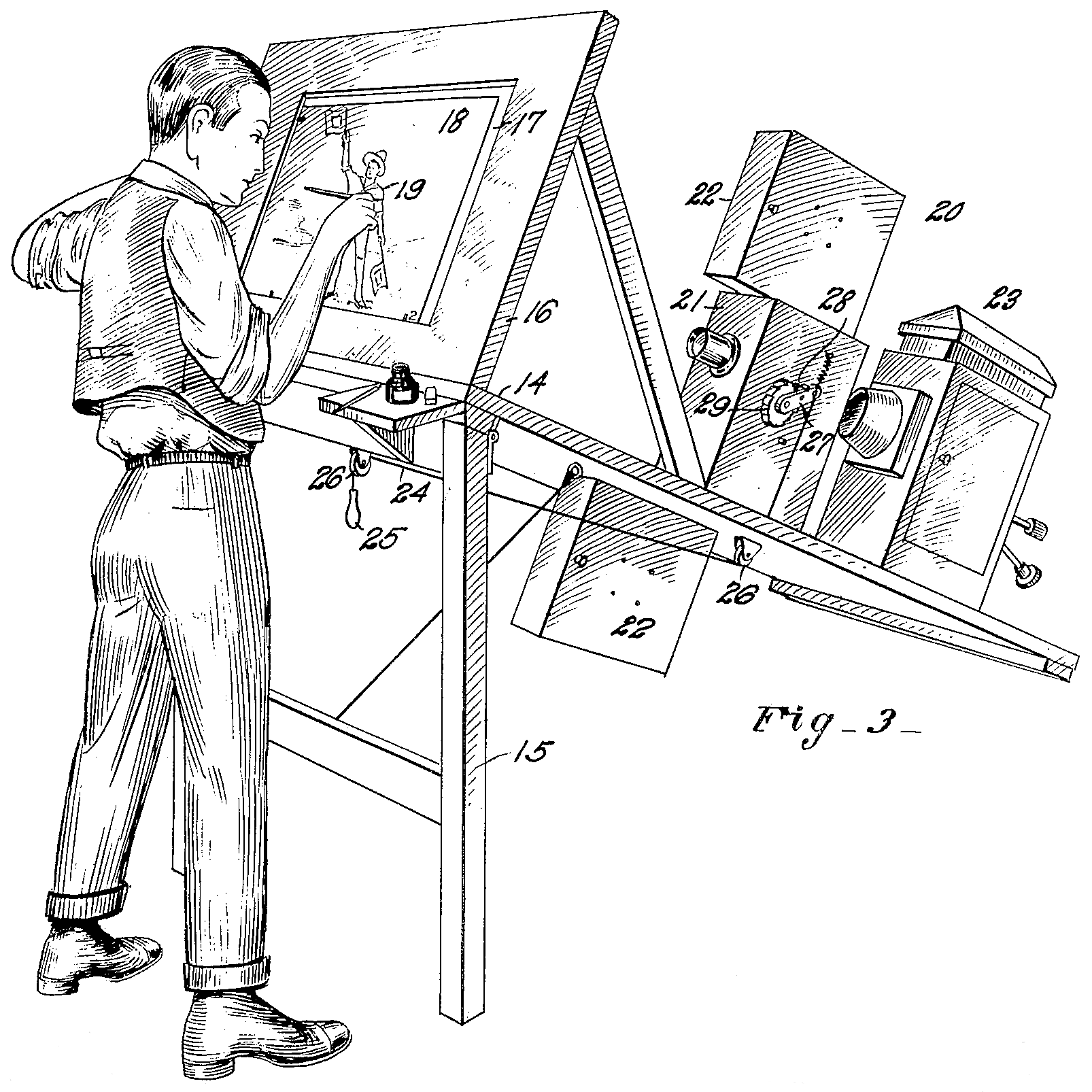
Rotoscoping in Bakshi’s work was not just about achieving realistic character movement—it also helped create unique urban and fantastical atmospheres. In Fritz the Cat, the technique was used primarily to ensure fluid motion in characters navigating chaotic social and urban contexts, while stylized backgrounds and freer drawings created a surreal and grotesque effect. This contrast between realism and caricature became a hallmark of his style, allowing him to convey emotional and social tensions without sacrificing the visual impact of the underground comics from which the film originated.

In Heavy Traffic (1973), Bakshi expanded the use of rotoscoping by integrating it with collages of photographs and urban imagery, creating an almost “multimedia” visual language ahead of its time. The New York sequences are particularly striking: characters traced from live-action footage move through photographic collages of buildings, posters, and streets, producing an effect of poetic hyperrealism that is simultaneously satirical. This technique allowed him to depict the city as a living, chaotic, violent, and pulsating organism, far more intensely than traditional animation alone could achieve.

Coonskin (1975) marked another step in Bakshi’s technical experimentation: the film combines traditional drawing, rotoscoping, and rapid comic-style editing to address racial and political themes. Movements traced from live actors enhance psychological realism, while caricatured deformations and fast visual rhythm emphasize satire and social critique. Here, rotoscoping becomes a tool of social commentary, not just aesthetics.

In Wizards (1977), Bakshi applied rotoscoping to a fantasy context, further innovating the technique. The main characters’ movements were traced from live actors, but the settings and magical effects were created using hand painting, collage, and texture overlays. This hybrid approach produced a layered and evocative visual world where magic and technology coexist poetically and symbolically. The technique allowed for battles and magical sequences to achieve a dynamic realism rarely possible with pure animation.

The Lord of the Rings (1978) elevated rotoscoping to an even more sophisticated level. Bakshi traced extensive live-action battle scenes, imparting a sense of weight, dynamism, and spatial depth previously unseen in fantasy animation. Main characters were animated with precise, realistic movements, while backgrounds and overlay effects combined watercolor, pastel, and photographic textures, creating a cohesive and immersive world while retaining Bakshi’s personal, raw style.
Other visual innovations include:
- The use of collages and integrated photographs in backgrounds, especially in urban films, anticipating modern motion graphics techniques.
- Integration of diverse coloring techniques, from pastel to watercolor, to create different emotional atmospheres in contiguous sequences.
- Rhythmic editing, often synchronized with jazz or funk soundtracks, enhancing narrative and visual pacing.
- Overlaying textures and stylized drawings on rotoscoped figures to achieve expressive and psychedelic visual effects, as seen in Wizards.
Bakshi influenced generations of animators and directors, demonstrating that rotoscoping was not merely a technical tool but a true expressive language. His most significant innovation was the ability to merge realism with stylization, creating complex and adult animated worlds where technique and content reinforce each other. Without Bakshi, many developments in adult animation and experimental cinema would not have been possible.


