How Penguin Random House India’s decision to withdraw distribution of Joe Sacco’s graphic reportage on the Muzaffarnagar riots has reignited debates on publishing freedom, editorial pressure, and preemptive censorship in contemporary India
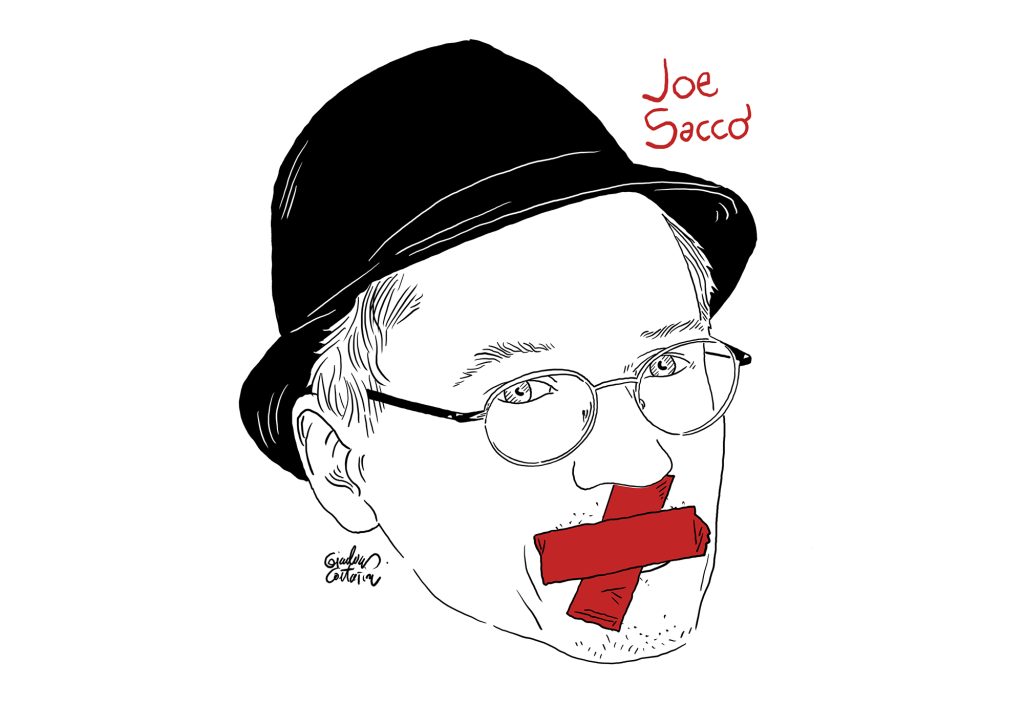
The decision by Penguin Random House India to withdraw the distribution of The Once and Future Riot, Joe Sacco’s new book on the 2013 sectarian violence in Muzaffarnagar, represents one of the most significant episodes in the recent debate over publishing freedom in India.
Sacco is no ordinary author. Widely regarded as the world’s leading practitioner of graphic journalism, he has built his reputation by documenting conflicts and human rights abuses in Palestine, Bosnia, Iraq, and Gaza through a narrative form that combines investigative reporting and comics. His works have become essential references for generations of journalists, illustrators, and scholars of visual communication.
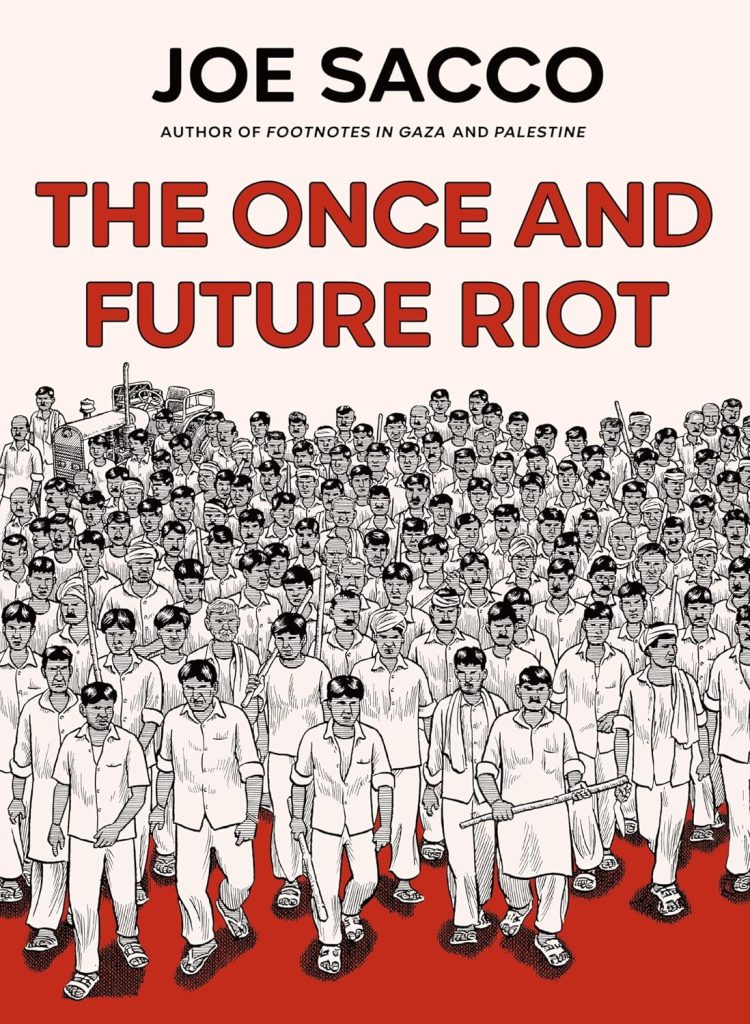
The Once and Future Riot examines one of the most controversial episodes in recent Indian history: the Muzaffarnagar riots in the state of Uttar Pradesh, which in 2013 left more than sixty people dead and displaced tens of thousands, most of them members of the Muslim minority. The book is the result of extensive field research conducted by Sacco, who gathered testimonies from survivors, journalists, public officials, and local leaders in order to reconstruct not only the events themselves but also the political conditions that made them possible.
The work was published in the United Kingdom in 2025 and was scheduled to reach Indian bookstores in 2026. However, Penguin Random House India decided to halt its distribution following a legal and editorial review. According to the publisher, the issues identified included a map considered inaccurate in relation to India’s officially recognized borders, as well as concerns regarding citations and documentary verification.
Sacco has openly challenged these explanations. In several public statements, he said he received a lengthy list of demands that went far beyond simple factual corrections, including substantial editorial changes, the removal of references to public figures, and even alterations to the book’s narrative structure. According to the author, the objections raised by the Indian branch served as a pretext to avoid publishing a politically uncomfortable work, one that questions the relationship between sectarian violence, religious nationalism, and electoral politics in contemporary India.
The case carries significance far beyond the fate of a single book. Penguin India’s decision is part of a broader series of controversies involving works deemed politically or religiously sensitive. Many observers see the episode as an example of preemptive censorship: not a ban imposed directly by the state, but a form of self-restraint adopted by publishers and cultural institutions seeking to avoid potential legal, economic, or political consequences.

Among the most critical voices is writer Arundhati Roy, who described the decision as deeply troubling and linked it to the broader erosion of freedom of expression in India. According to Roy, yielding to real or perceived pressure only strengthens a climate in which journalists, artists, and writers increasingly feel compelled to practice self-censorship.
Paradoxically, the refusal to distribute the book has drawn even greater attention to it. Several Indian publishers have reportedly already expressed interest in releasing the work, while the debate has quickly spread through international media and communities of readers and authors.
The controversy therefore concerns not only Joe Sacco but a broader question: who has the right to tell the story of political and religious violence? And what happens when a publisher decides that a particular narrative is too risky to place in the hands of readers?
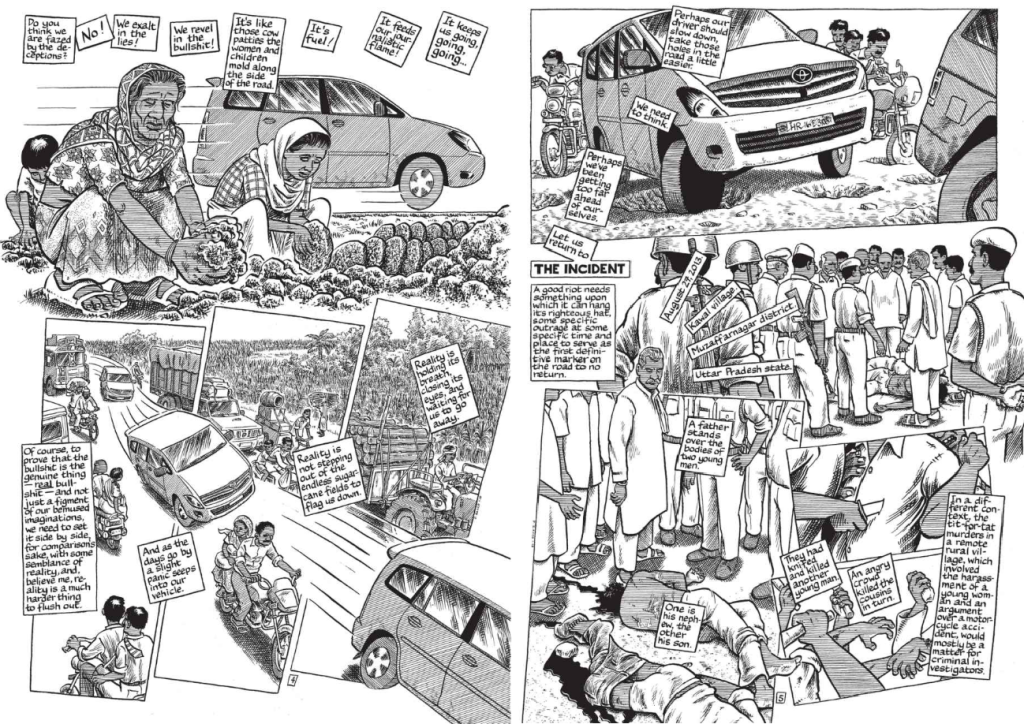
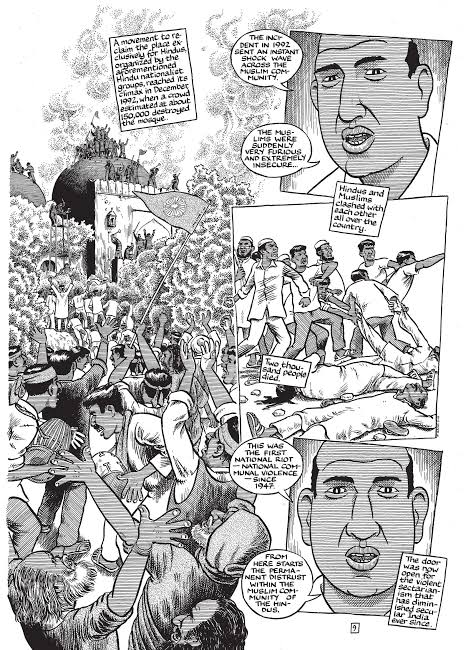
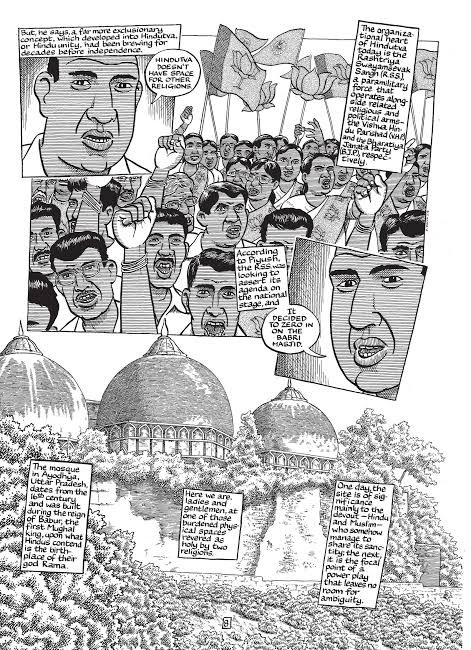
For more than thirty years, Sacco has documented wars, occupations, and massacres in some of the most difficult regions of the world. Today, without his book having been formally banned by any authority, he faces a different but equally significant obstacle: the inability to reach the very audience of the country whose painful history he seeks to document.
It is this contradiction that makes the case particularly troubling. A work created to examine the dynamics of democracy and collective memory risks being excluded from public debate not because it is proven false, but because of what it may reveal to be true.

Joe Sacco is widely regarded as the pioneer of graphic journalism, a form of storytelling that combines the rigor of investigative reporting with the expressive power of comics. Born in Malta in 1960 and raised in the United States, he studied journalism at the University of Oregon before developing a unique approach that would transform both journalism and the graphic novel.
Beginning in the early 1990s, Sacco redefined the possibilities of nonfiction comics. Rather than illustrating existing news stories, he traveled to conflict zones, conducted extensive interviews, gathered eyewitness accounts, and immersed himself in the daily lives of the people affected by war and political violence. He then transformed this material into richly detailed graphic narratives that combined firsthand reporting, historical research, and personal observation. His work often includes himself as a character, acknowledging the reporter’s presence and perspective in the storytelling process.
Sacco gained international recognition with Palestine, based on his travels through the West Bank and Gaza Strip in the early 1990s. The book offered readers an unprecedented look at life under Israeli occupation through the voices of ordinary Palestinians. Widely acclaimed, it became a landmark work in both journalism and comics, helping establish graphic journalism as a serious literary and documentary form.
He followed this success with a series of books on the war in Bosnia. Safe Area Goražde documented the experiences of civilians trapped during the Bosnian conflict and is considered one of the most powerful accounts of the war ever published. Sacco later expanded his exploration of the region with The Fixer and War’s End, examining the long-term consequences of violence through the stories of survivors, interpreters, and witnesses.
In 2009, he published Footnotes in Gaza, often regarded as his masterpiece. The book investigates two largely forgotten massacres that took place in Gaza in 1956, combining years of archival research with extensive interviews. Through its detailed reconstruction of events, the work explores the relationship between memory, history, and contemporary political conflict.
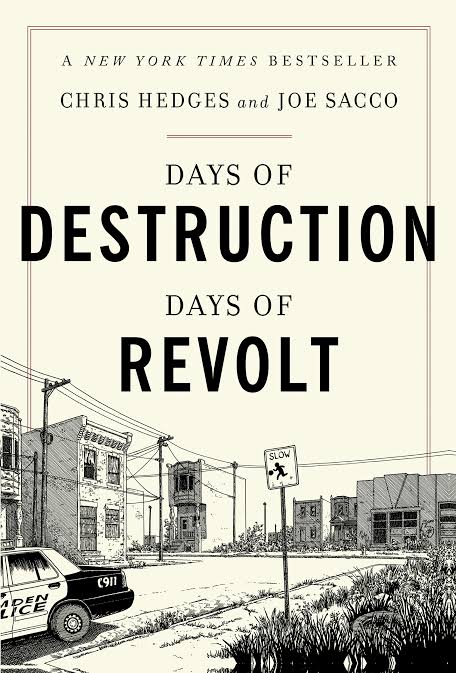
Other major works include Journalism, a collection of his graphic reportage from around the world; The Great War, a panoramic visual reconstruction of the first day of the Battle of the Somme; Days of Destruction, Days of Revolt, created with journalist Chris Hedges and focused on poverty and inequality in the United States; and Paying the Land, an ambitious examination of Indigenous communities in northern Canada and the impact of resource extraction on their lives and territories.
Throughout his career, Sacco has consistently focused on people whose stories are often overlooked by mainstream media: refugees, civilians, workers, Indigenous communities, and victims of war. His work is distinguished by meticulous reporting, complex visual storytelling, and a commitment to documenting the human consequences of political decisions.
More than three decades after the publication of his first major works, Joe Sacco remains one of the most influential figures in contemporary journalism and graphic literature. His books are studied in universities, journalism schools, and art programs around the world as examples of how visual storytelling can deepen our understanding of history, conflict, and human experience. By combining drawing with investigative reporting, Sacco has demonstrated that comics can be as powerful a tool for documenting reality as photography, film, or traditional written journalism.


