At the African Investigative Journalism Conference, Gianluca Costantini’s portraits marked the absence of sixteen Eritrean journalists as Yirgalem Fisseha and the Committee to Protect Journalists demanded answers.
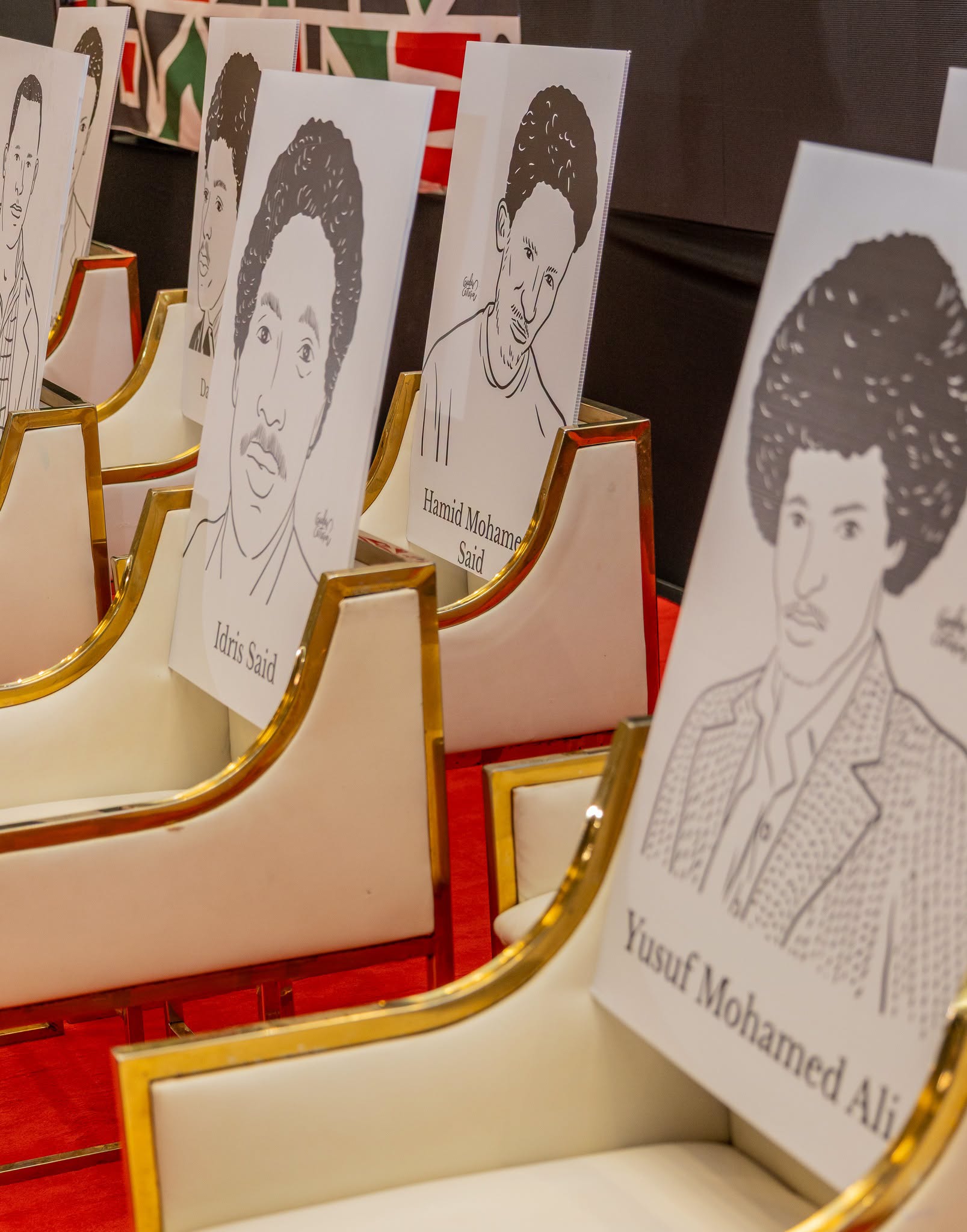
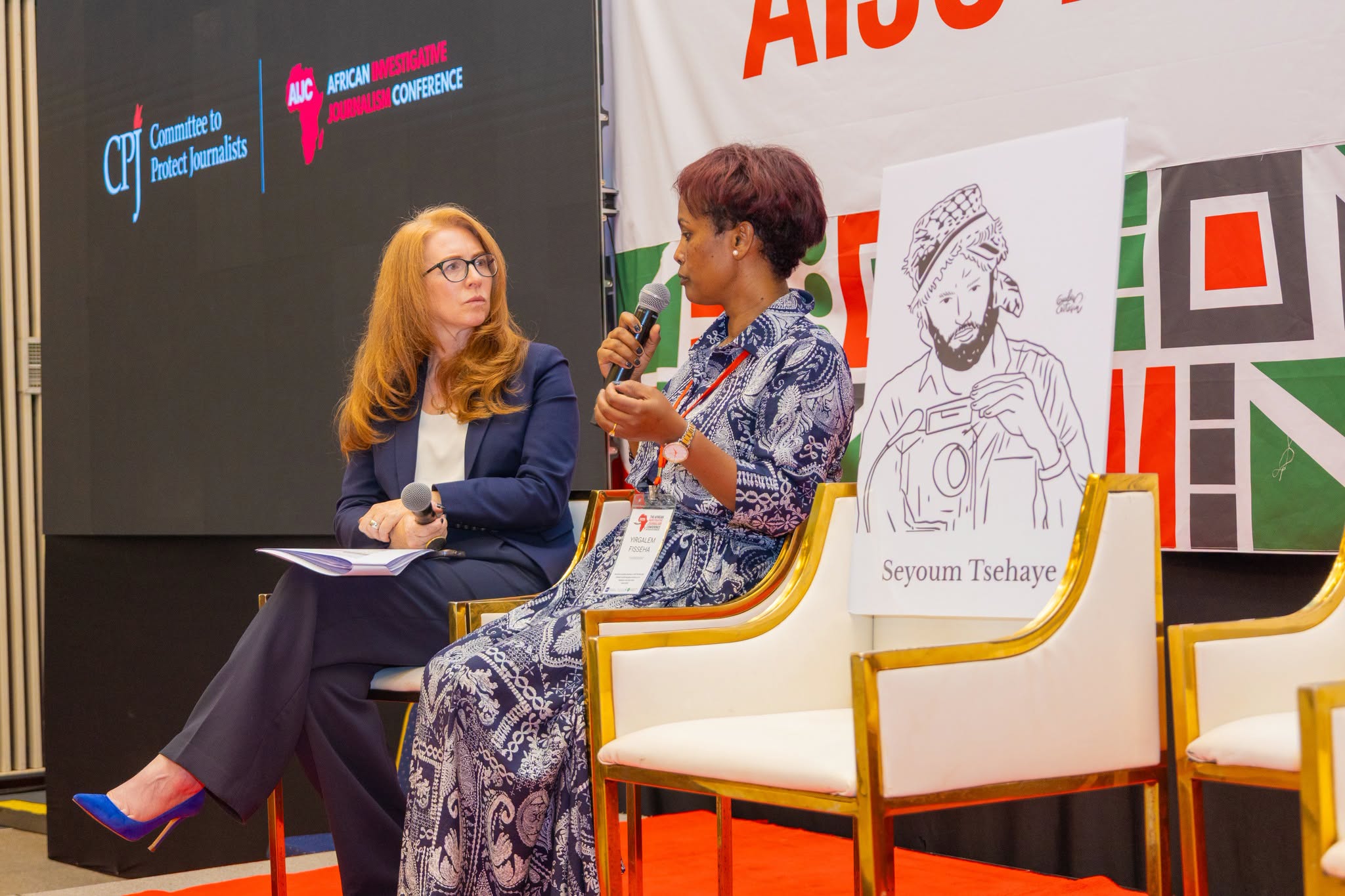
The chairs were empty. On them were portraits of Eritrean journalists whose families have spent years waiting for reliable news of their fate. On November 10, 2026, at the Edge Convention Centre in Nairobi, the Committee to Protect Journalists (CPJ) displayed original drawings by Gianluca Costantini during a tribute to the Eritrea 16. Among the faces was Seyoum Tsehaye, a former war photographer who was working as a freelance photojournalist and contributing to Setit when he was arrested. In the photographs from Nairobi, his drawn face appears beside the lectern where CPJ chief executive Jodie Ginsberg addressed the gathering.
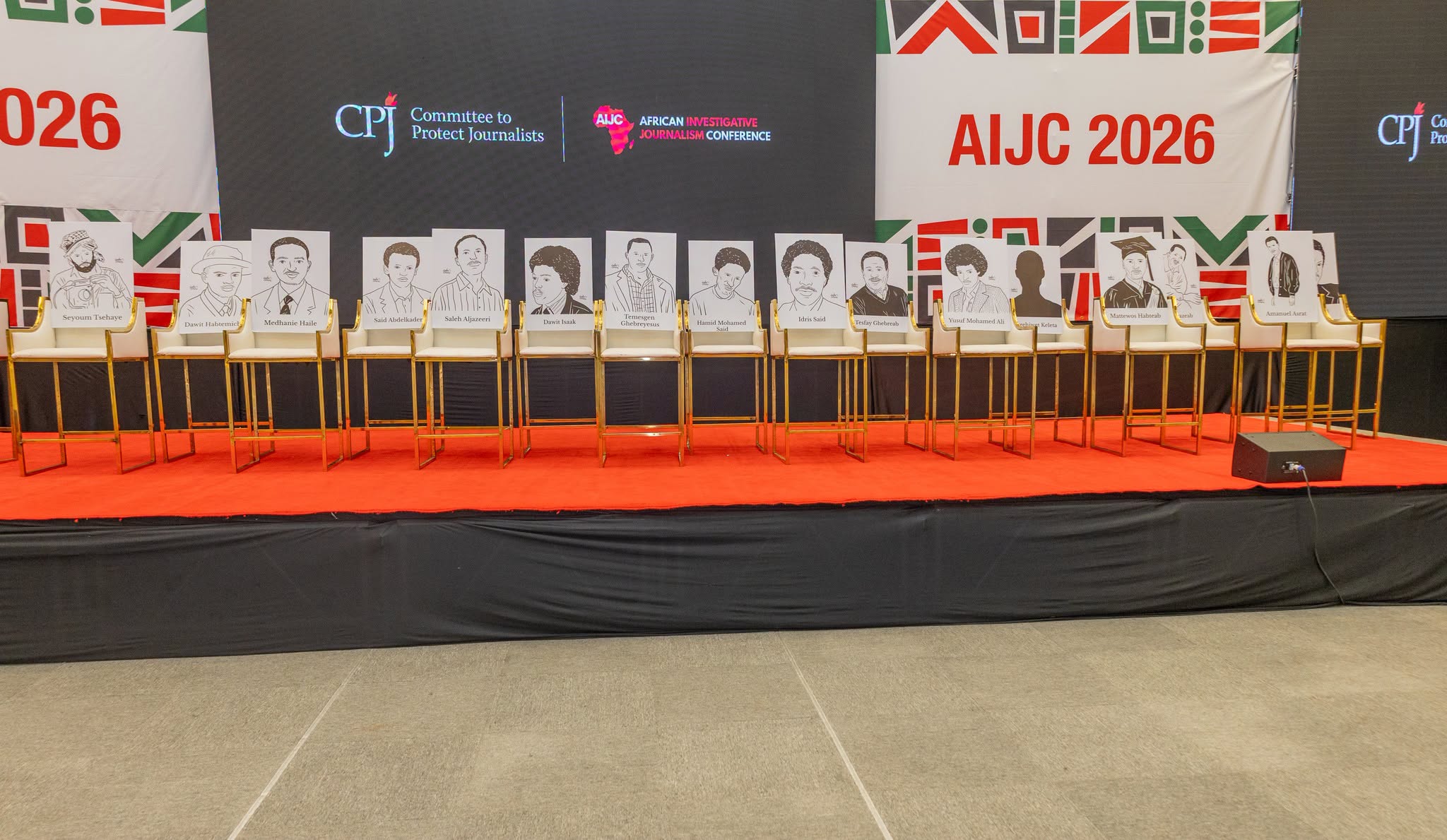
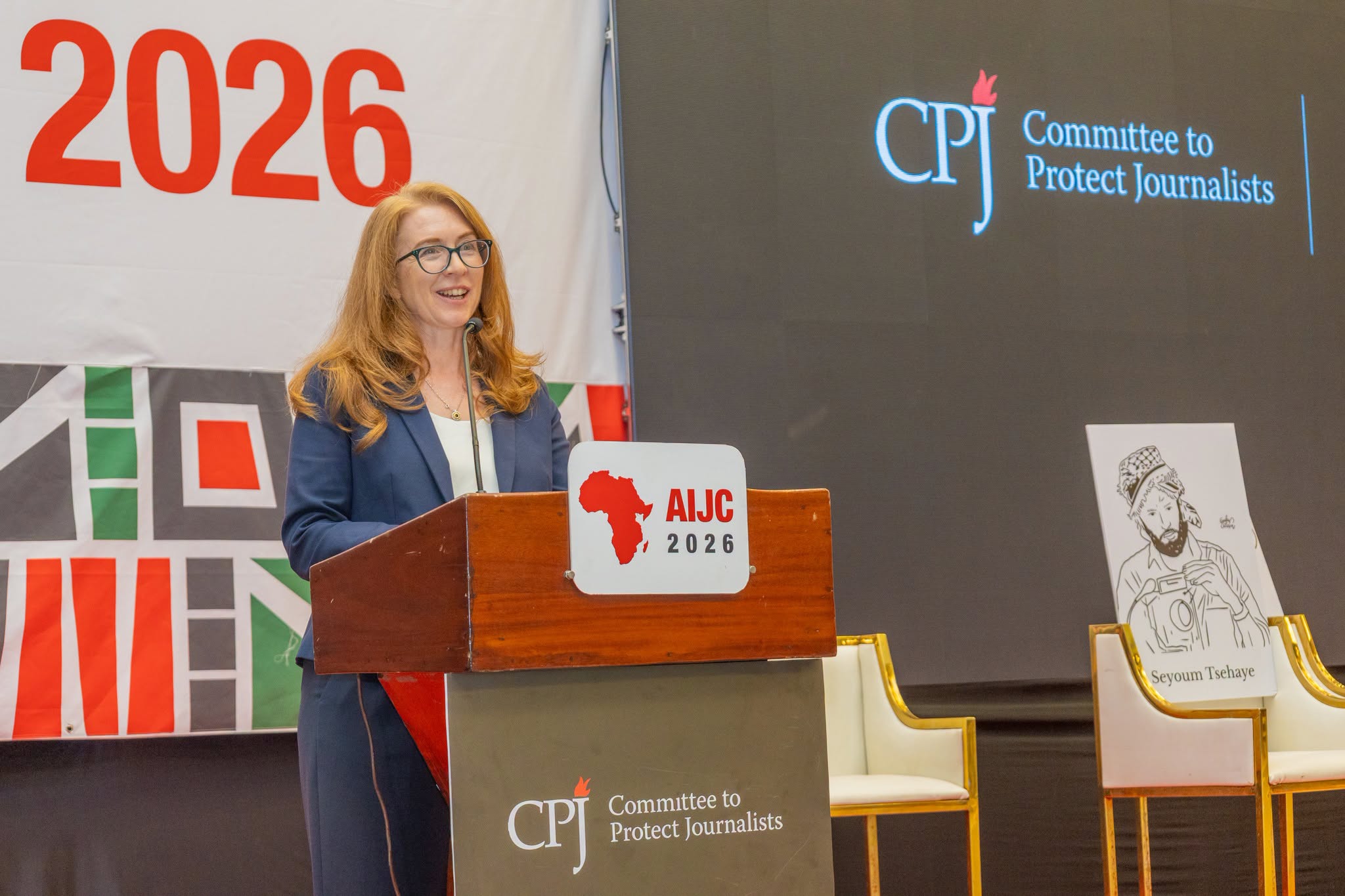
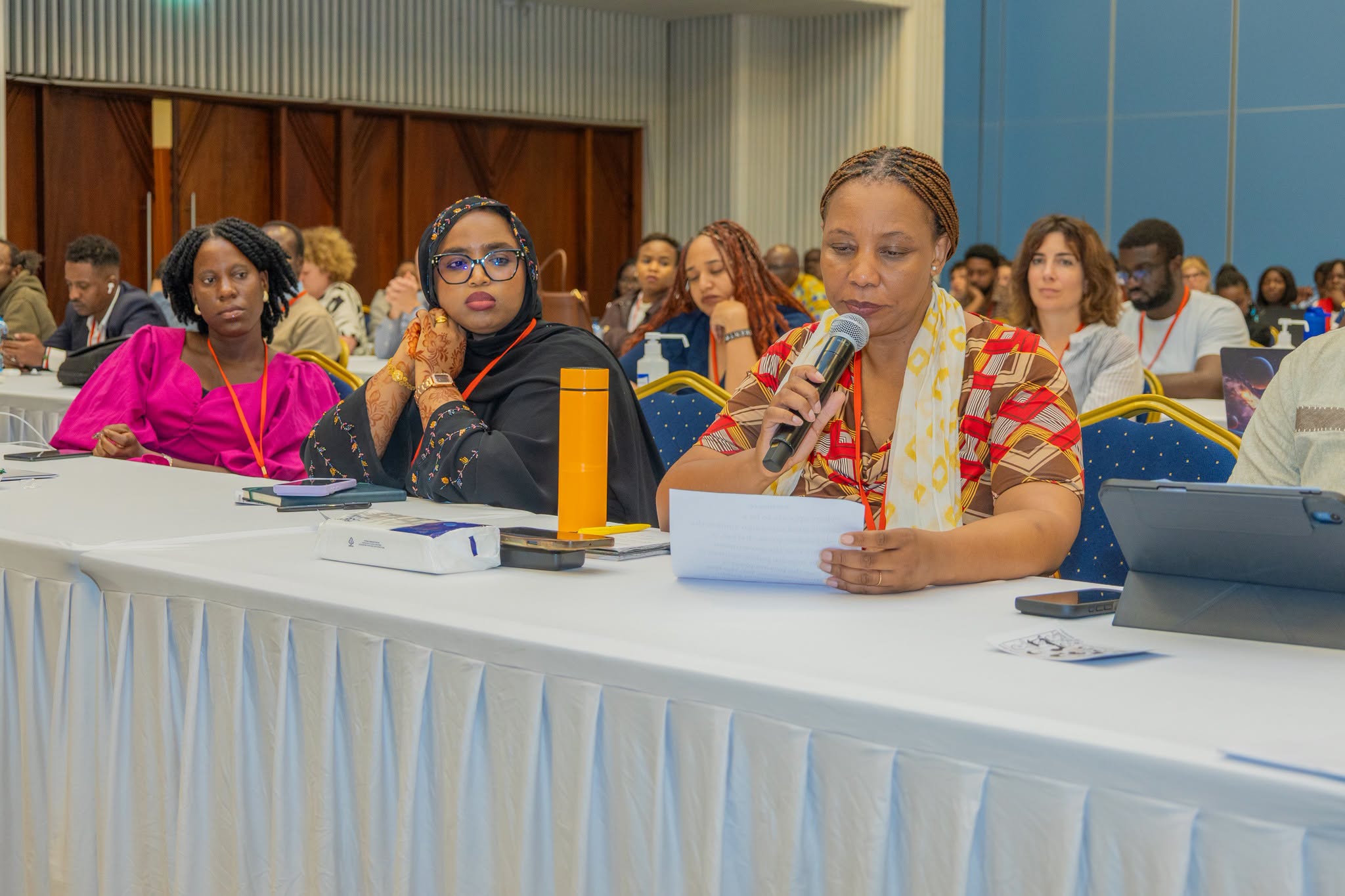
The tribute took place on the opening day of the 22nd African Investigative Journalism Conference, the first edition held outside South Africa. At the Carlos Cardoso Memorial Lecture, named for the Mozambican investigative journalist murdered in 2000, Eritrean journalist and former political prisoner Yirgalem Fisseha read from a letter to her mentor Amanuel Asrat. She had written it for his fiftieth birthday, knowing he would never receive it.
In her address, Fisseha recalled the last time she saw Asrat, a few weeks after his arrest. He stood by a police station doorway holding a cigarette. She and a companion waved from a distance. That brief encounter is the image she has carried ever since. Asrat was a poet and the editor of Zemen. Fisseha remembered the literary clubs and private newspapers she had known as a high school student, and the colleagues with whom she had shared coffee and conversation. The letter asked what had become of a writer whose work and friendship had helped shape her own.
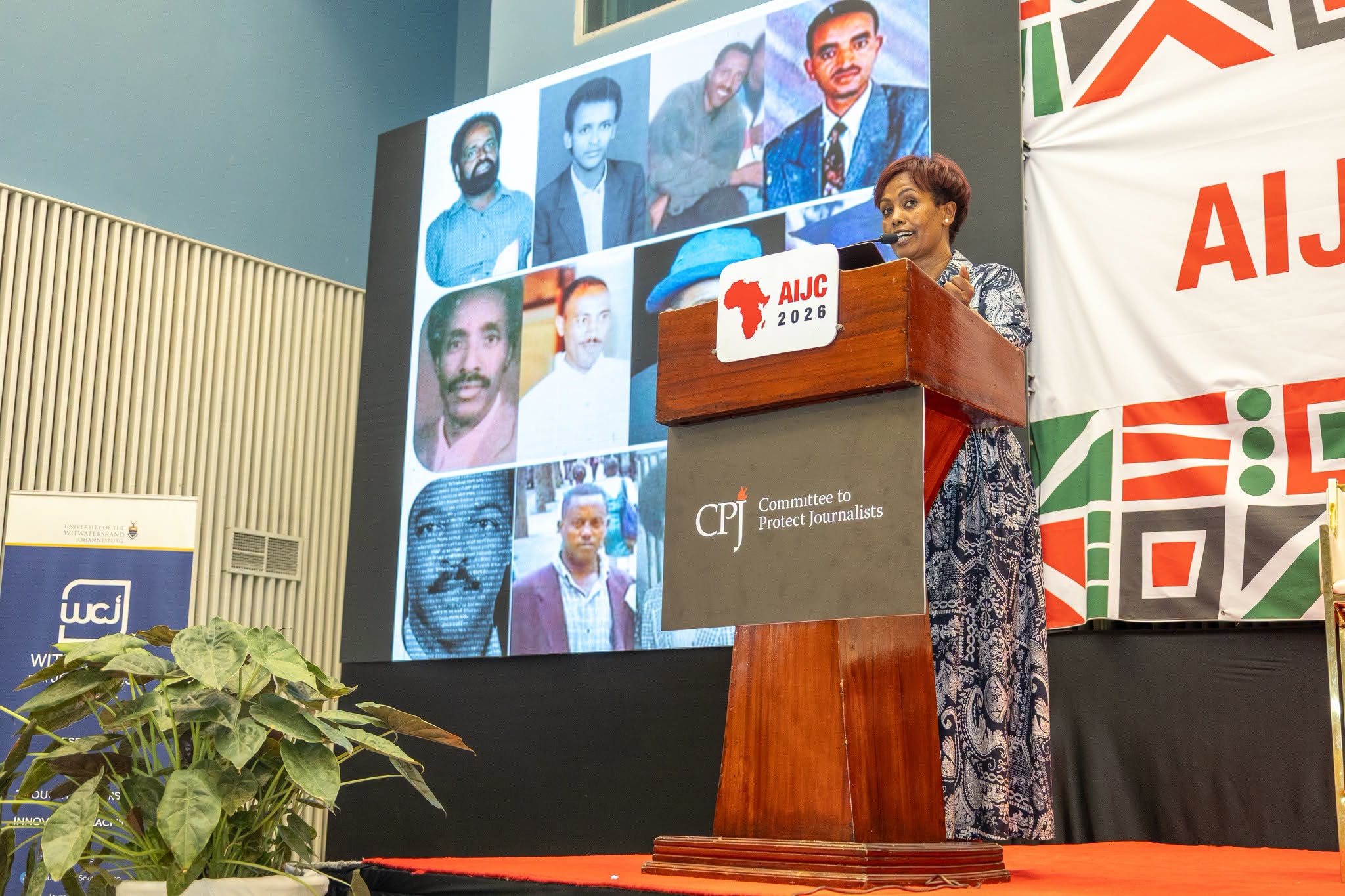
Fisseha also spoke about her arrest in February 2009, when soldiers surrounded the Radio Bana compound and took staff to a military prison. She recalled being transferred to a concrete cell at Mai Serwa, where she had no visitors, pen or paper. She described being tortured and eventually fleeing Eritrea in 2018. Her questions to Asrat grew out of that experience. Did daylight reach his cell? What had he heard of the world outside? Had he been able to keep speaking? The letter held open questions that only those holding him could answer.
On September 18, 2001, Eritrean authorities closed the country’s privately owned newspapers. Arrests of pro-reform politicians and journalists followed. The CPJ profiles of the Eritrea 16 trace a wider span of repression. Reporter Ghebrehiwet Keleta was arrested in July 2000, before the shutdown. Hamid Mohamed Said, an editor at the state broadcaster, was arrested in February 2002, and sports journalist Jimi’ie Kimeil in 2005. Over the years, scraps of information about the detained journalists have surfaced, leaving families without a verifiable account of their fate.
Several of the journalists had fought in Eritrea’s war for independence and later helped build its media. By 2001, the private newspapers were giving space to a debate over constitutional government. Among those calling for reform were senior figures from the ruling party, known as the G15. Eleven were arrested in September. Editors and reporters who had covered the debate or challenged the closure of the newspapers were also taken into custody. For the journalists’ families, detention without a public trial has meant decades without a reliable account of what happened. CPJ’s case profiles document the individual arrests.
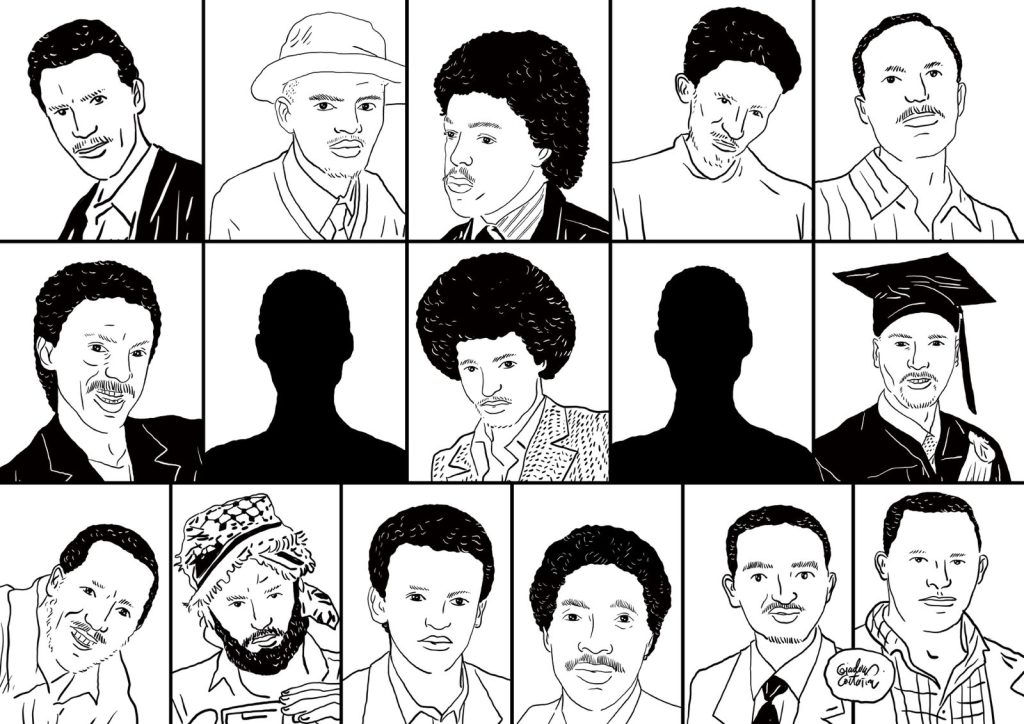
The portraits on the chairs had a history of their own. In the summer of 2019, Costantini worked with PEN Eritrea, a centre founded in exile, on Human Rights in Eritrea, a series of fifteen portraits of imprisoned journalists. The archive pairs each drawing with a name and a short account of the person’s work. Alongside Asrat and Tsehaye are Dawit Isaak, the Swedish-Eritrean journalist and co-owner of Setit, and Fessahaye ‘Joshua’ Yohannes, a playwright, poet and journalist. The 2019 series records the cases taken up in that campaign. The sixteen people recognised by CPJ in 2026 are listed in the award profiles.
In a 2019 interview with PEN Eritrea’s Abraham T. Zere, Costantini recalled working from a handful of old, often poor-quality photographs. He made the drawings digitally so they could circulate quickly. The slower work was researching each person and finding words that conveyed something of their life. That research mattered especially in cases like Asrat’s. Before his arrest, the Zemen editor had co-founded a literary club that inspired others across Eritrea, and his poetry ranged from the lives of people on the margins to the costs of war. English PEN has published a profile and an extract from his poetry.
The drawings travelled through campaigns. English PEN shared them on the eighteenth anniversary of the crackdown, and Costantini’s 2019 archive documents their circulation around the Yiakl festival in Washington, D.C. His exhibition and action record also lists Justice for Eritrea at the Washington Monument in October 2020. In 2025, the work on Eritrea was included in Ceasefire 2005–2025, a retrospective at Bologna’s Palazzo d’Accursio that traced two decades of drawing for human rights campaigns.


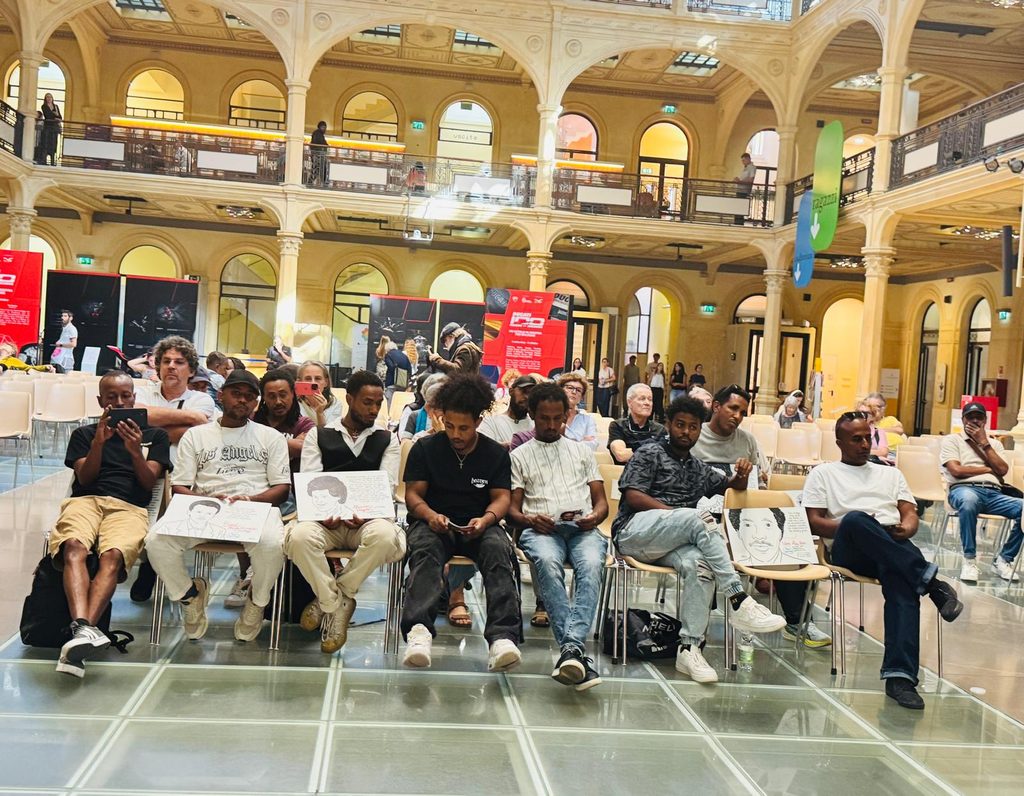
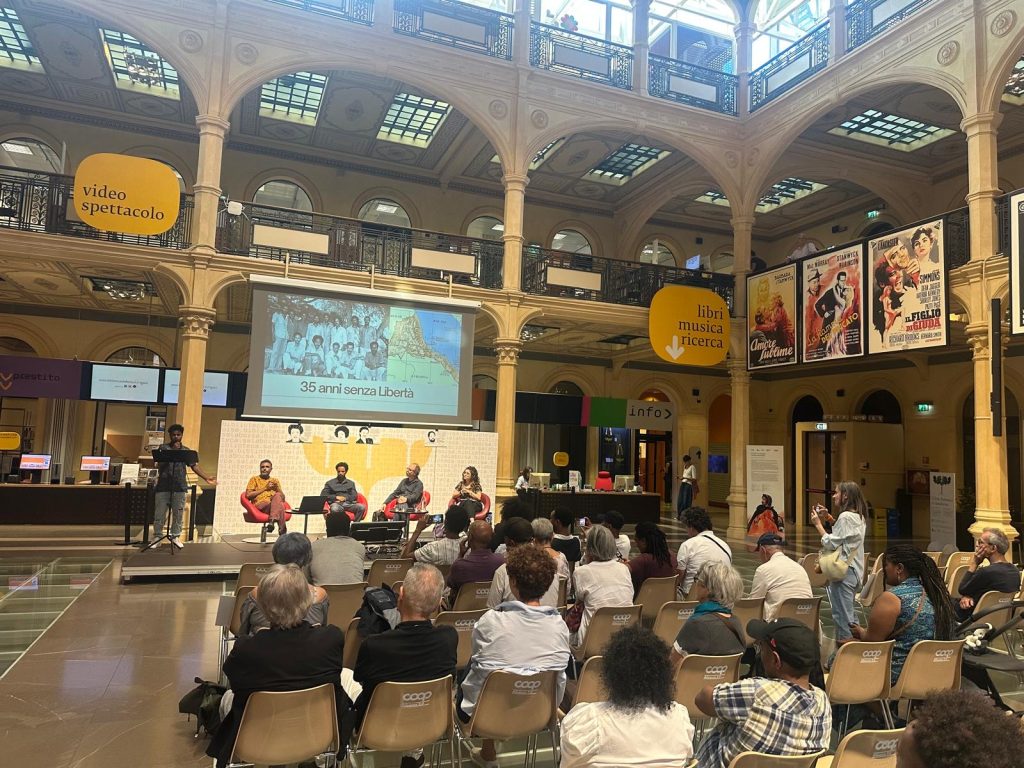
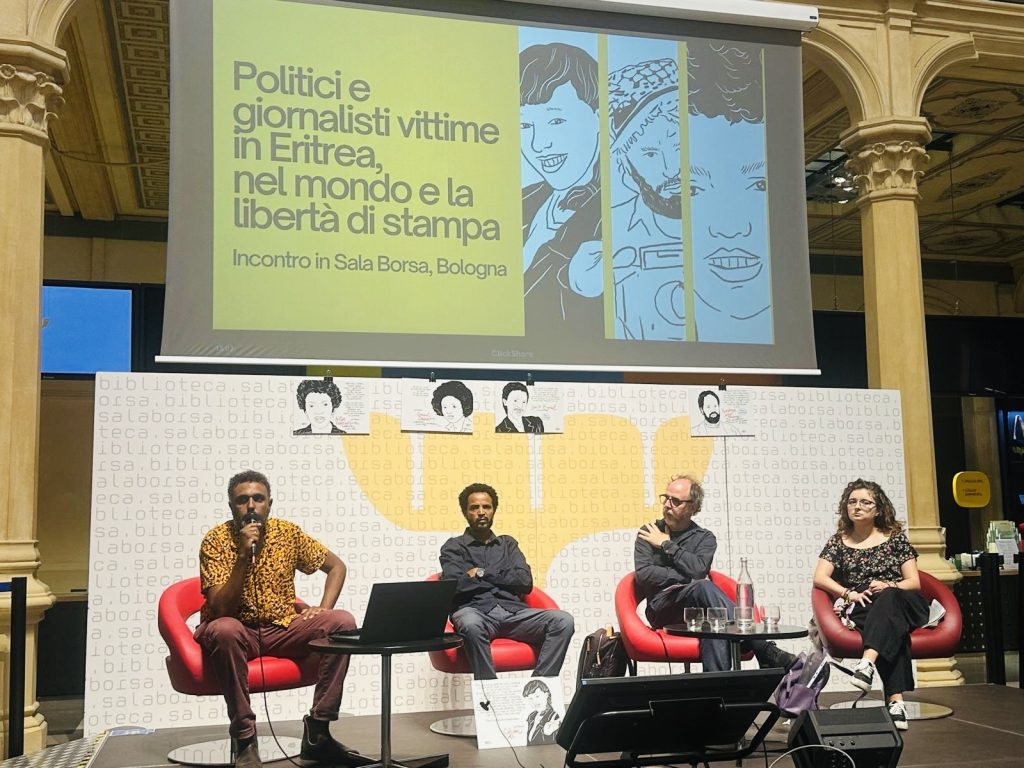
In 2026, the Eritrean cases returned to Costantini’s work with Wahrheitskämpfer, an archive of persecuted journalists. On September 19, at Biblioteca Salaborsa in Bologna, he spoke at a public gathering marking twenty-five years since the crackdown. In his account of that meeting, he wrote about keeping a portrait attached to the person’s name, biography and the evidence of their arrest. In Nairobi, Tsehaye’s portrait appeared again beside a speaker asking what had happened to him.
The drawings brought those separate lives into the same room. A close view of the chairs lets each face occupy its own frame. Seen in a row, the portraits make the scale of the disappearances visible. They also give the eye somewhere to return while listening to Fisseha’s account of Asrat, or to the writings read during the tribute. The programme included a video with the journalists’ families and CPJ Africa Program Coordinator Muthoki Mumo, as well as a conversation between Fisseha and Ginsberg.
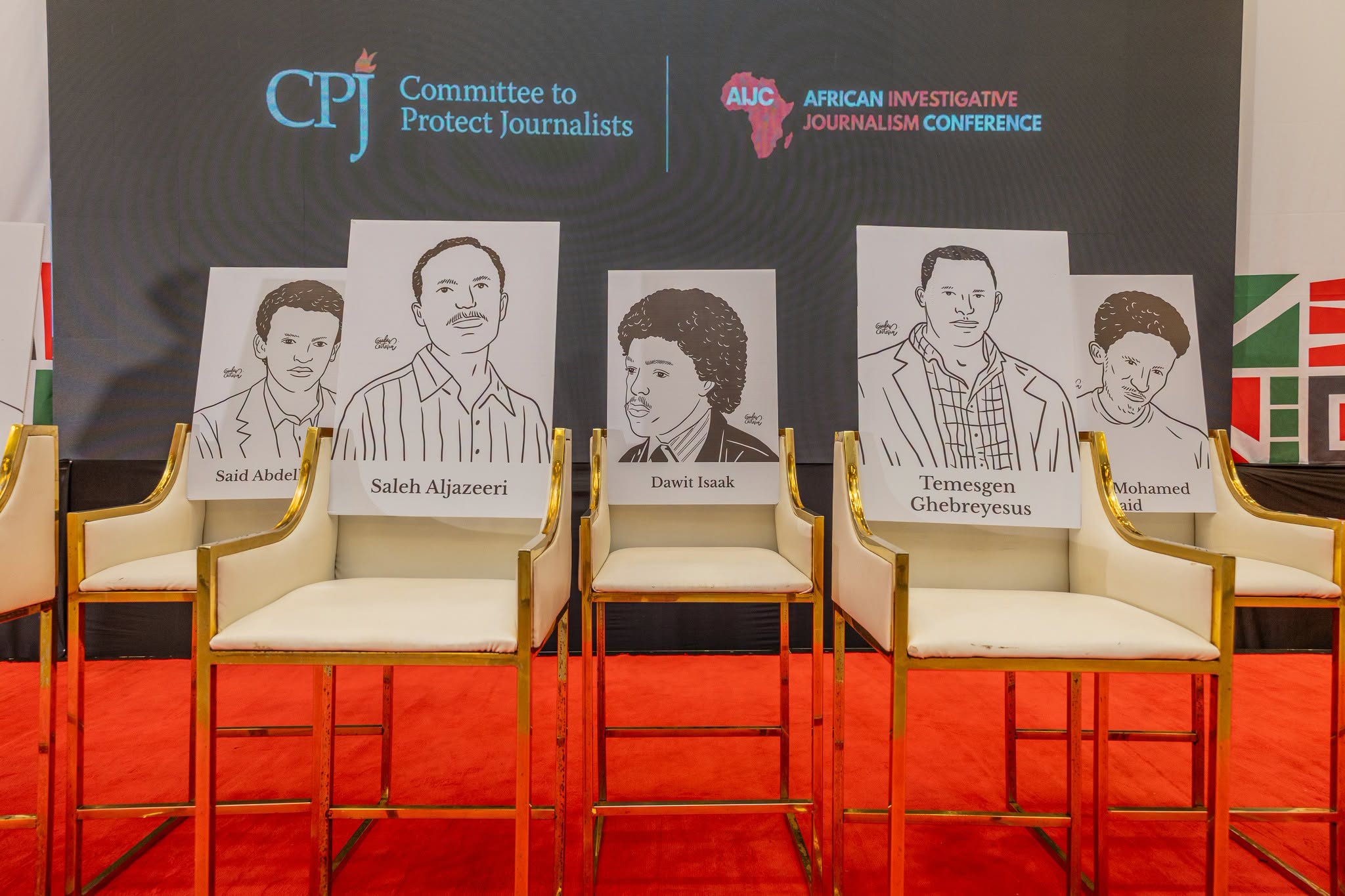
In August, CPJ announced that it would honour the Eritrea 16 with a 2026 International Press Freedom Award. In Nairobi, the organisation renewed its demand that the Eritrean authorities disclose the journalists’ fate and whereabouts, provide proof of life and immediately release those still detained. Fisseha asked the journalists in the audience to use their own reporting platforms to carry that demand beyond the conference.
That demand is also at the centre of PEN’s 2026 Proof of Life campaign, led by PEN International and PEN Eritrea in Exile on behalf of twelve writers and journalists. A chair had already been left empty for Asrat at the 2015 PEN International Congress in Québec City. Eleven years later, in Nairobi, Fisseha could still describe the last time she saw him. His family and colleagues are still waiting for verifiable news of what happened next.


CHANNELDRAW STUDIO · INDEPENDENT PUBLISHING
Active Art Yearbook
A year of drawings, stories and civic engagement. Discover the Channeldraw annual volumes.
Explore the yearbooks →


