Speaking in Bologna about the imprisoned Eritrean journalists, Gianluca Costantini reflects on the portraits he created with PEN International in 2019, their return to public attention seven years later, and the role of drawing in keeping names, faces and stories alive.
By Gianluca Costantini — September 20, 2026
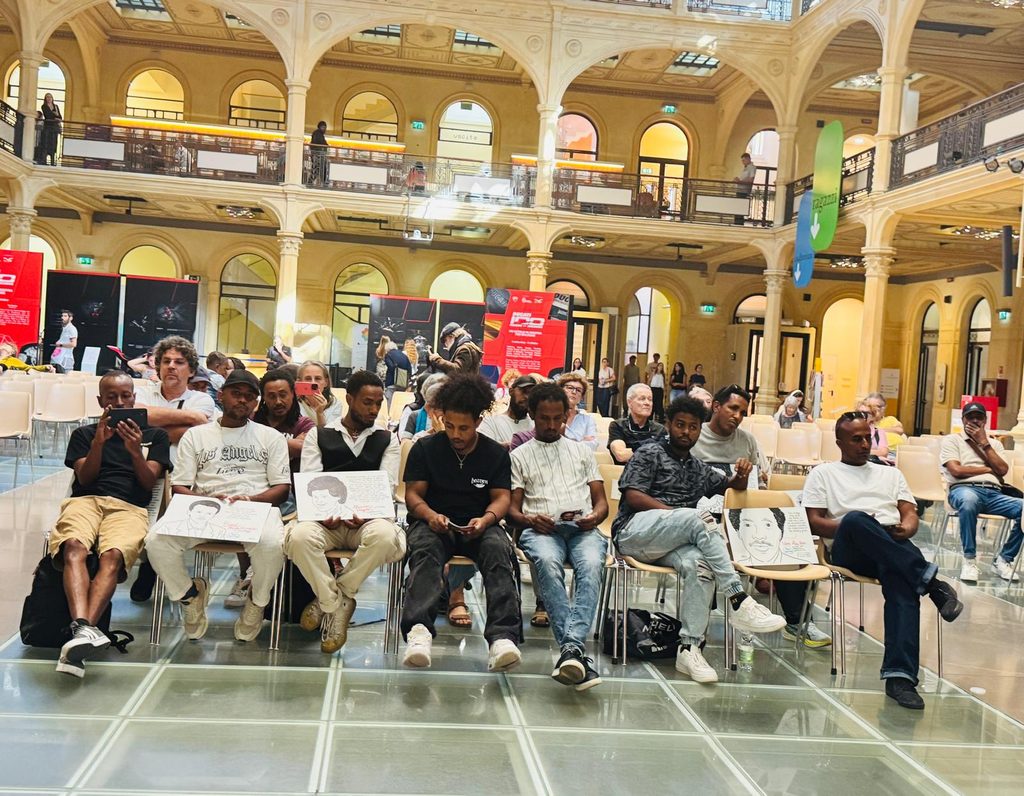
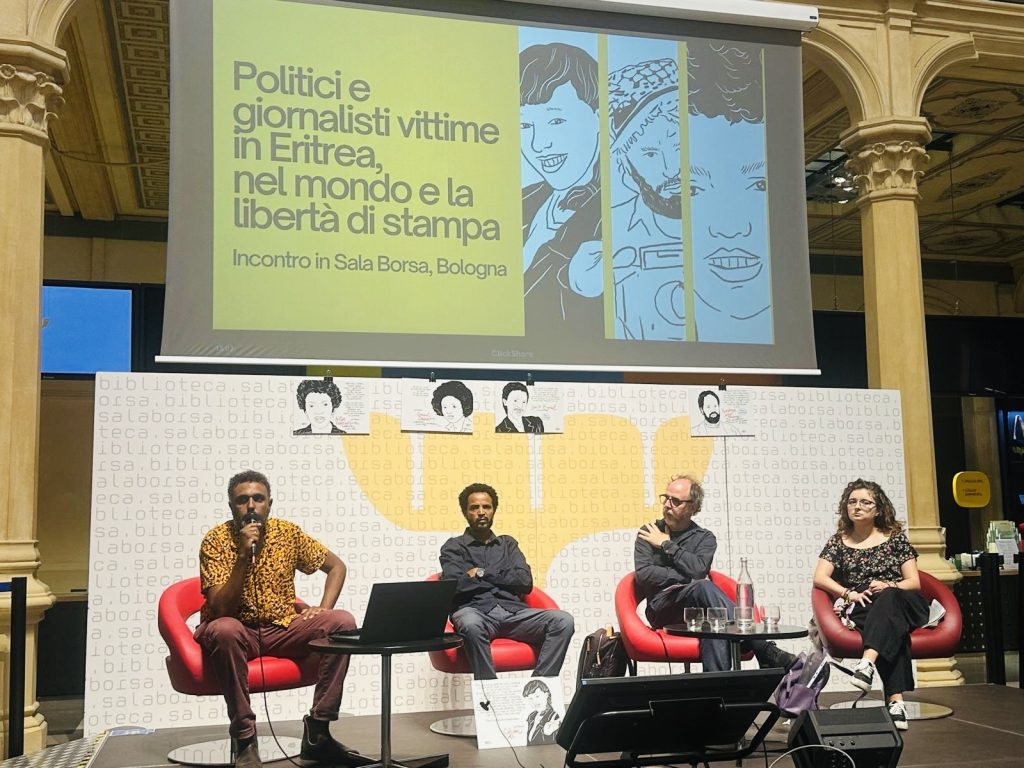
Yesterday, September 19, I took part in a public event in Bologna dedicated to the twenty-fifth anniversary of the repression of Eritrea’s independent press. It was an opportunity to return to a story that has accompanied my work for several years and to reflect on a question that has become increasingly important to me: what does it mean to remember someone through an image?
My story with these journalists began many years after their arrest.
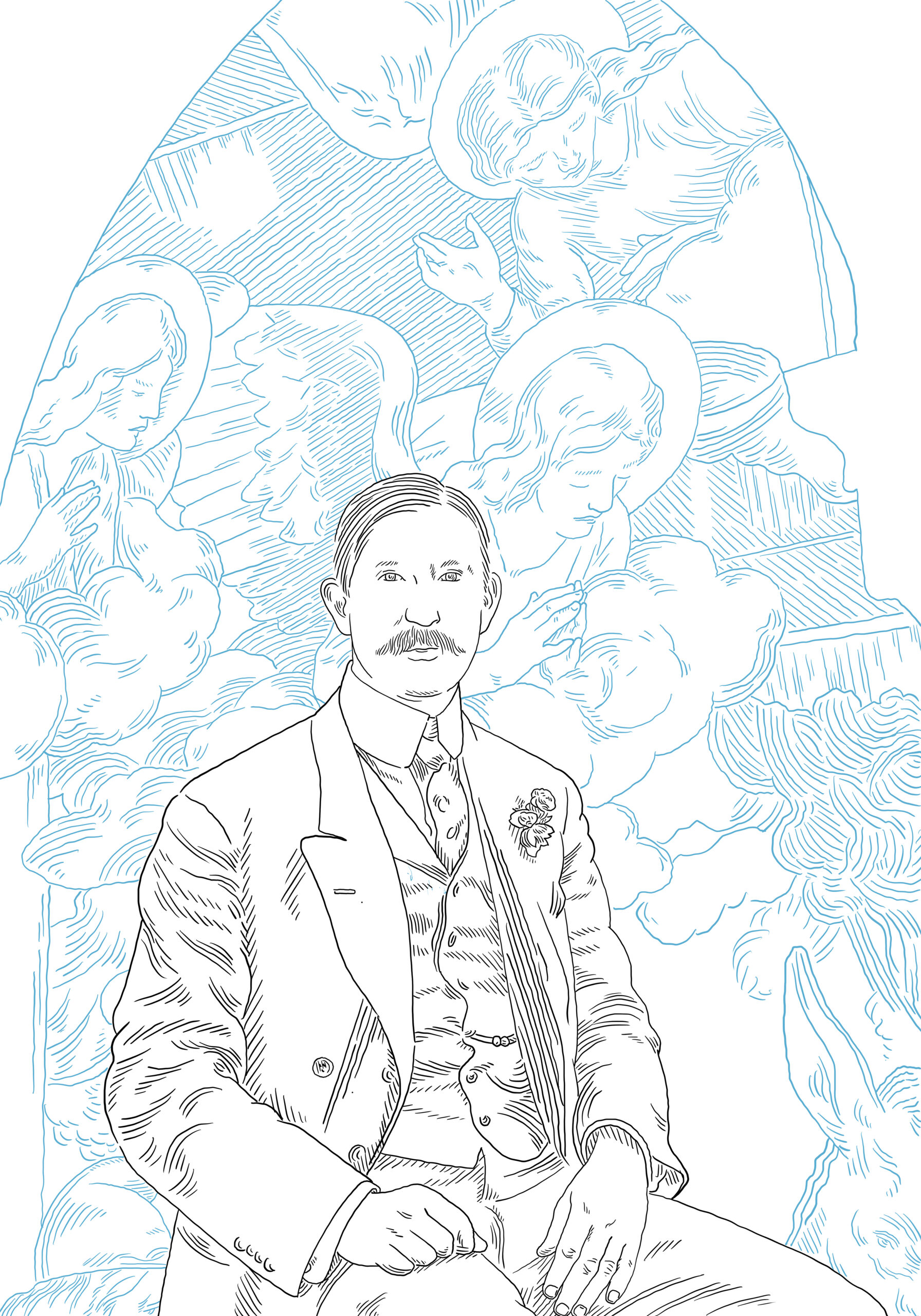
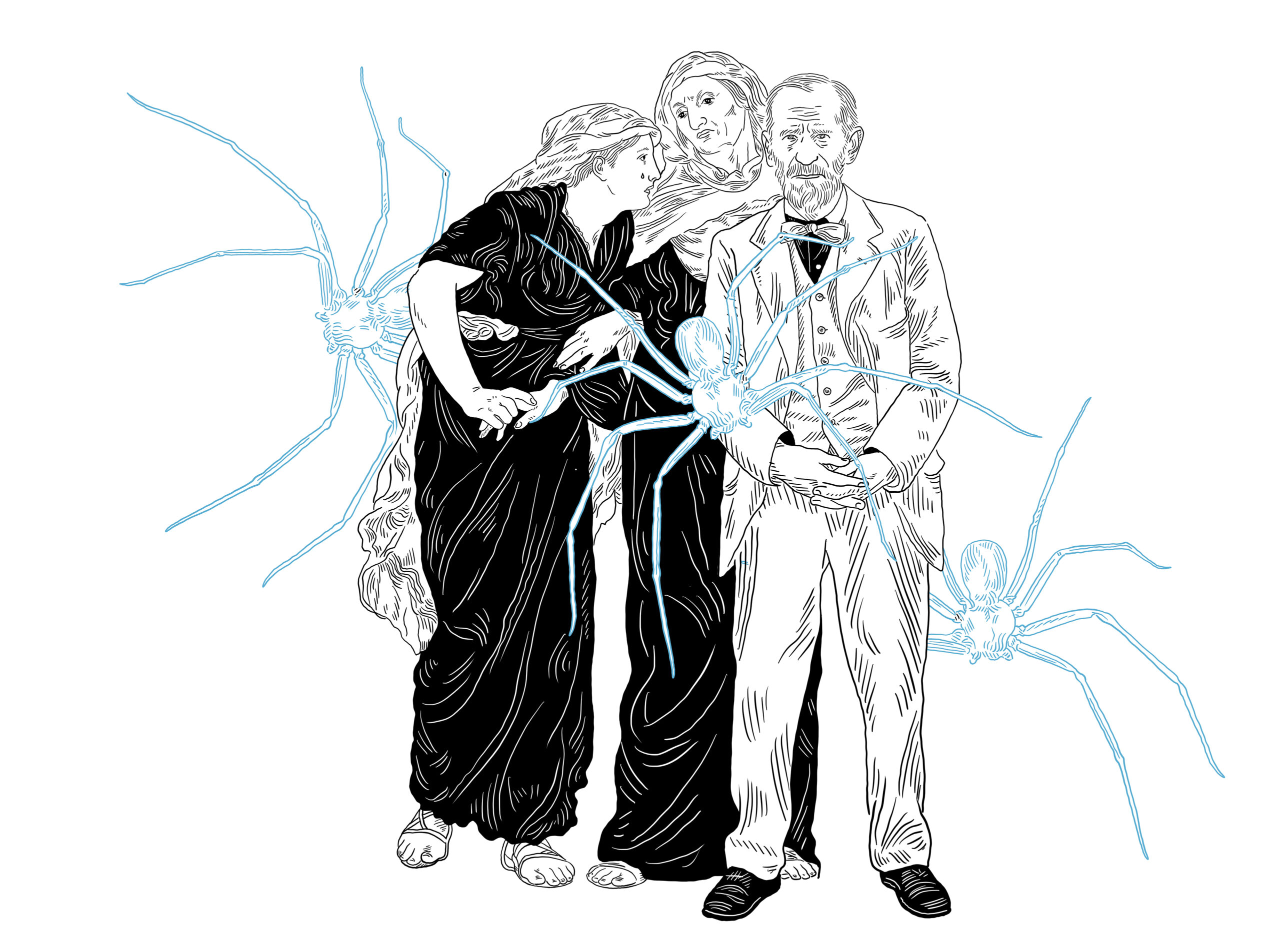
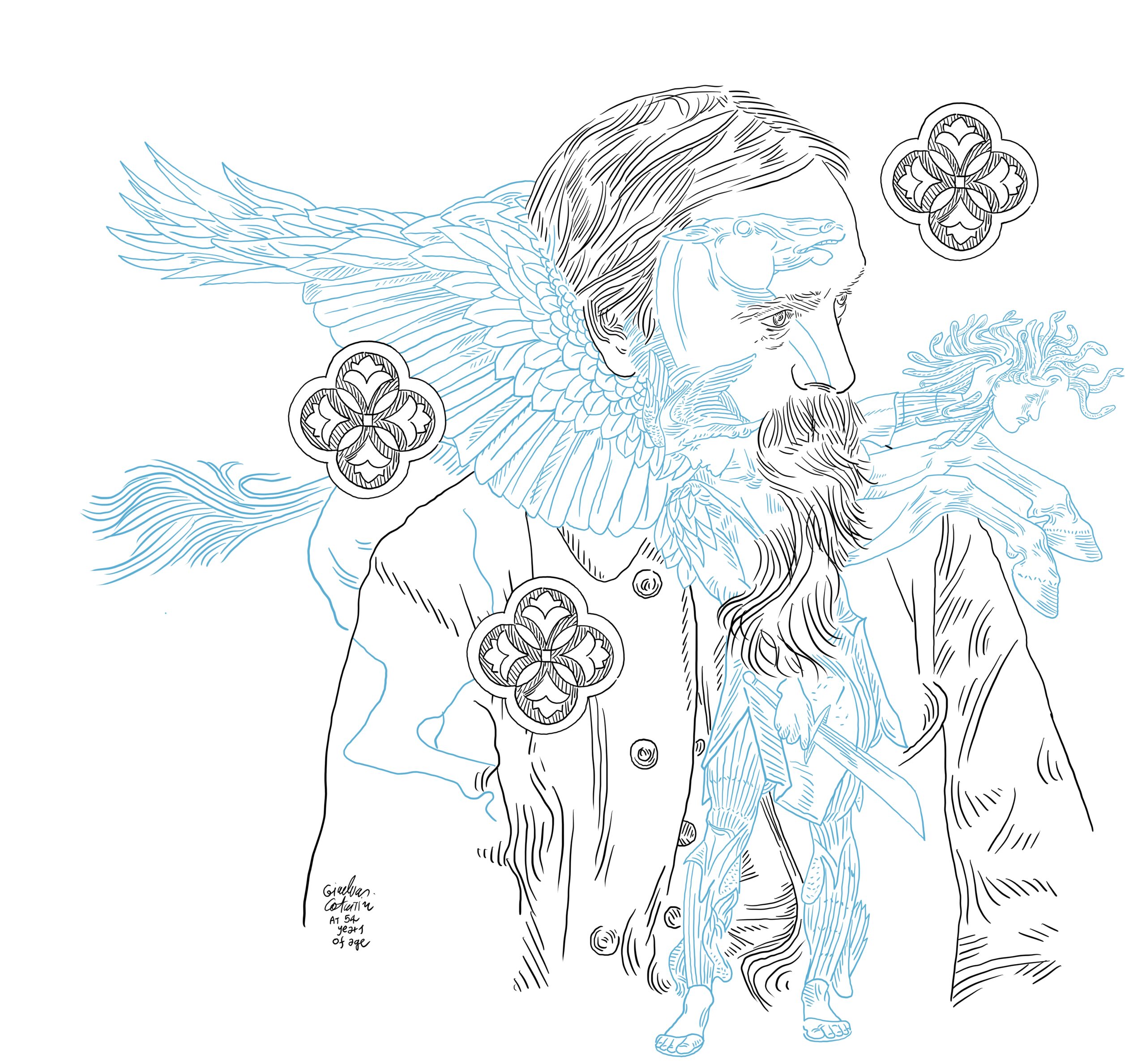
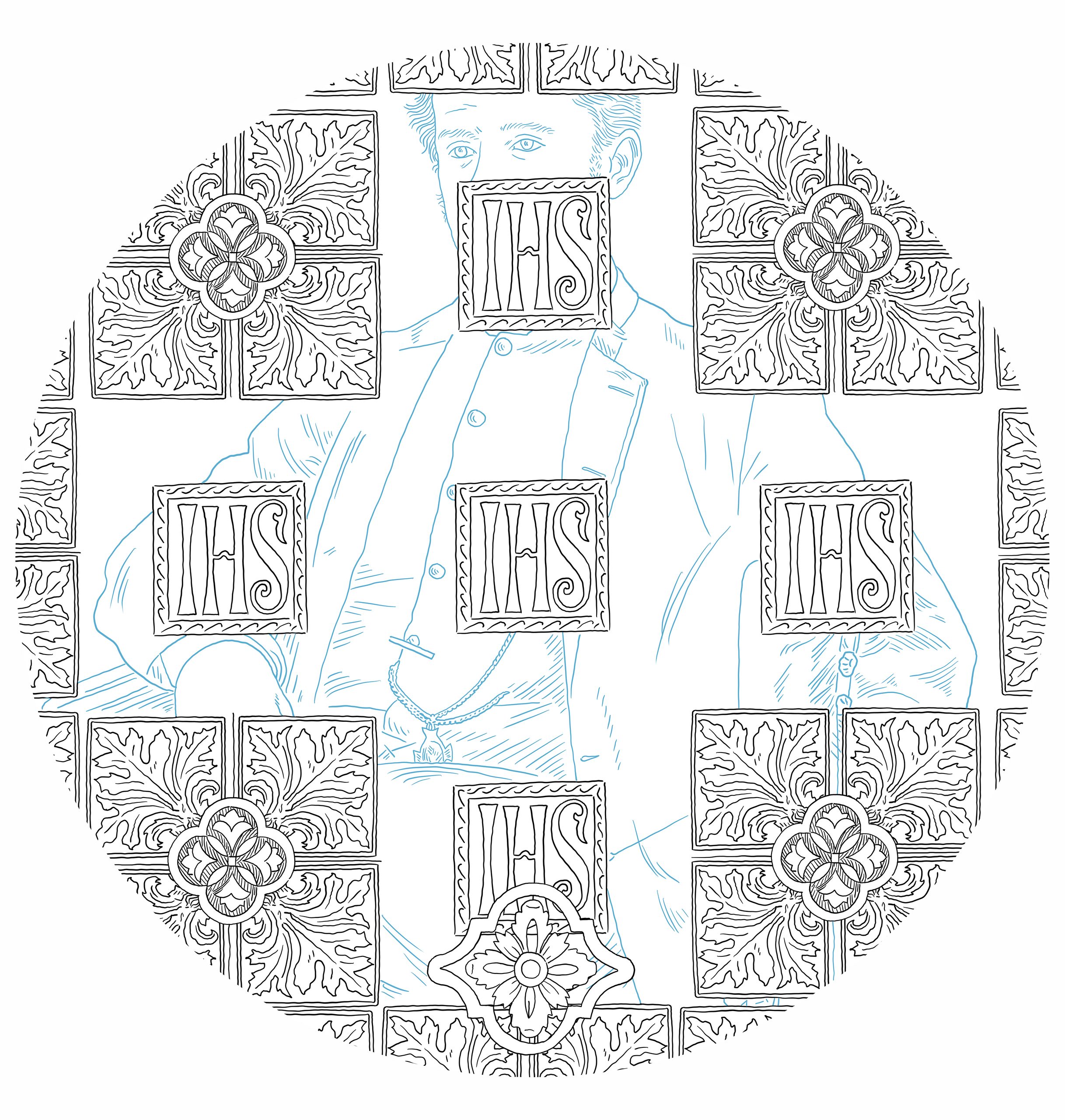
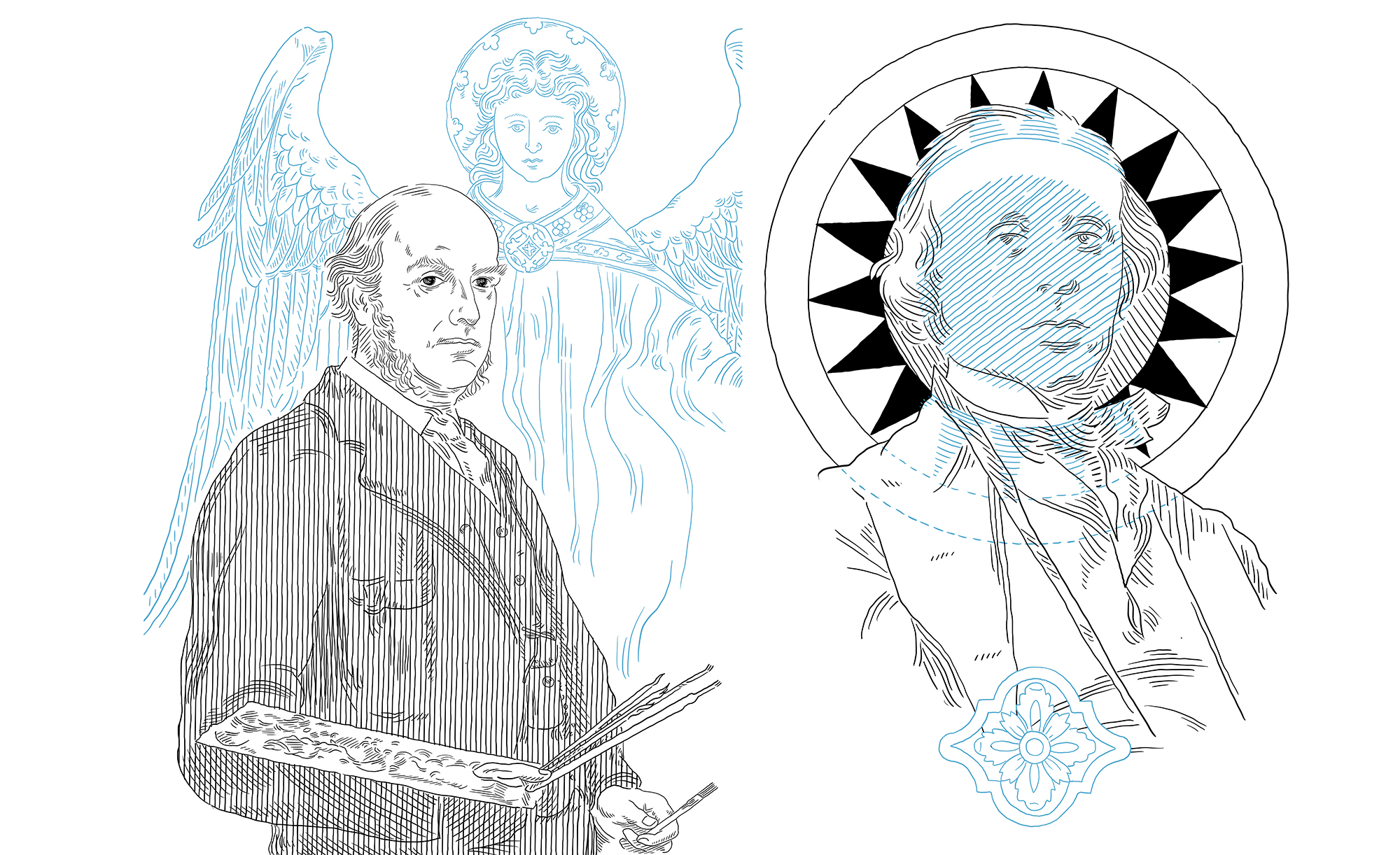
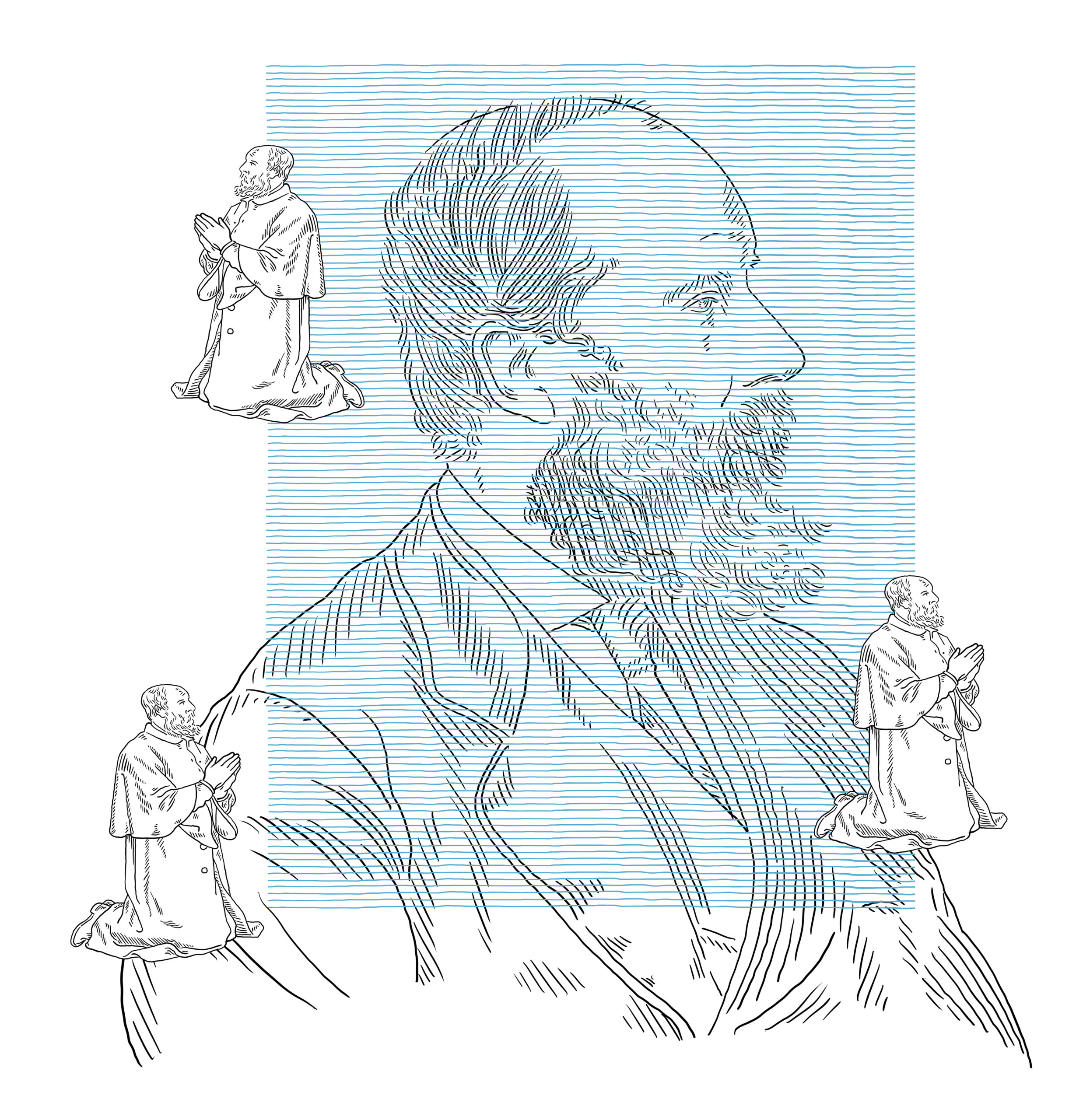
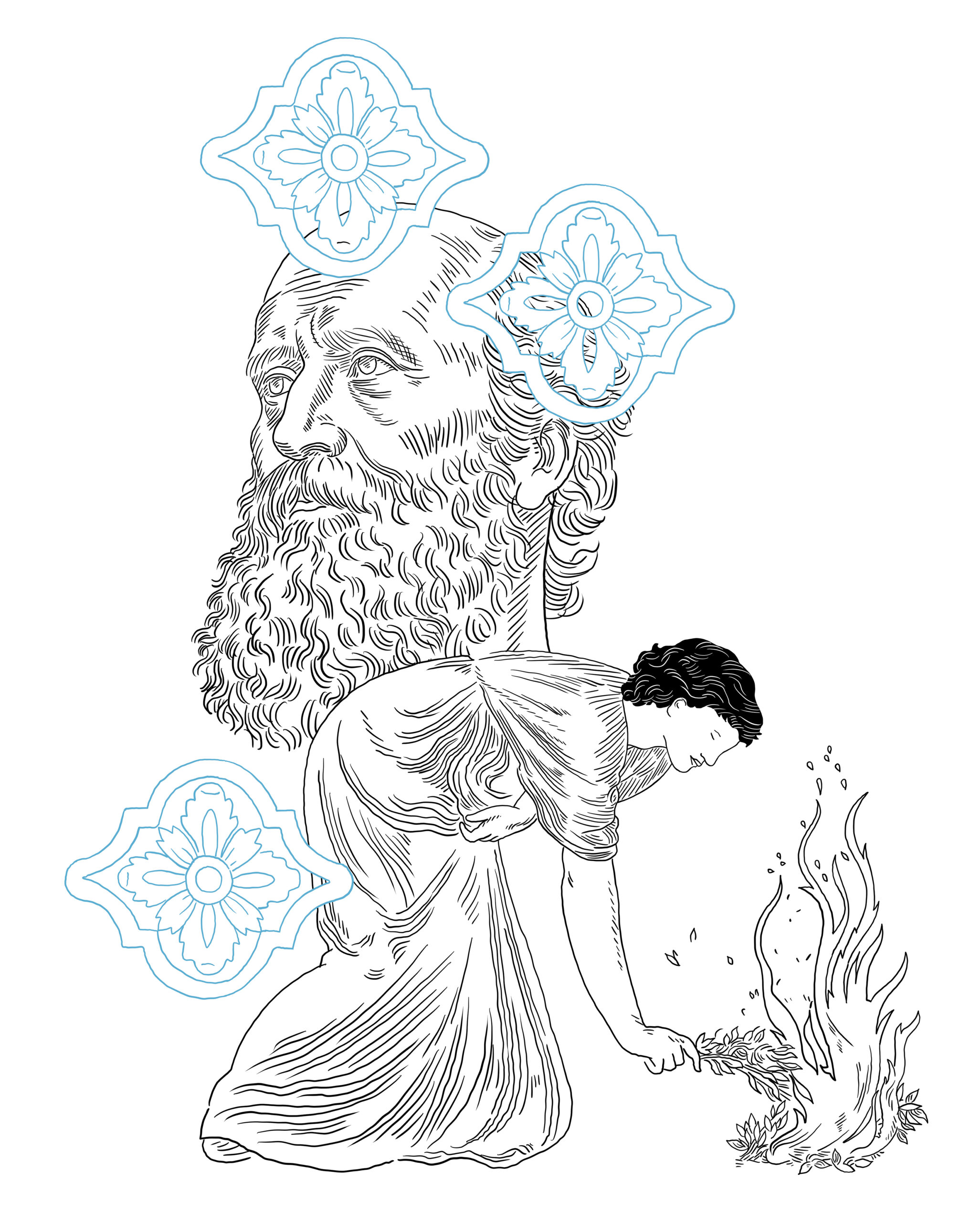
In 2019, together with PEN International, I worked on a campaign to bring renewed attention to the forgotten journalists of Eritrea. I drew portraits of fifteen imprisoned journalists, trying to give their names and faces a presence in a world that had largely stopped looking at them.
When I draw someone who has been imprisoned, persecuted or killed, drawing is never simply a portrait. It is a way of saying: this person exists. This person has a name, a face and a story.
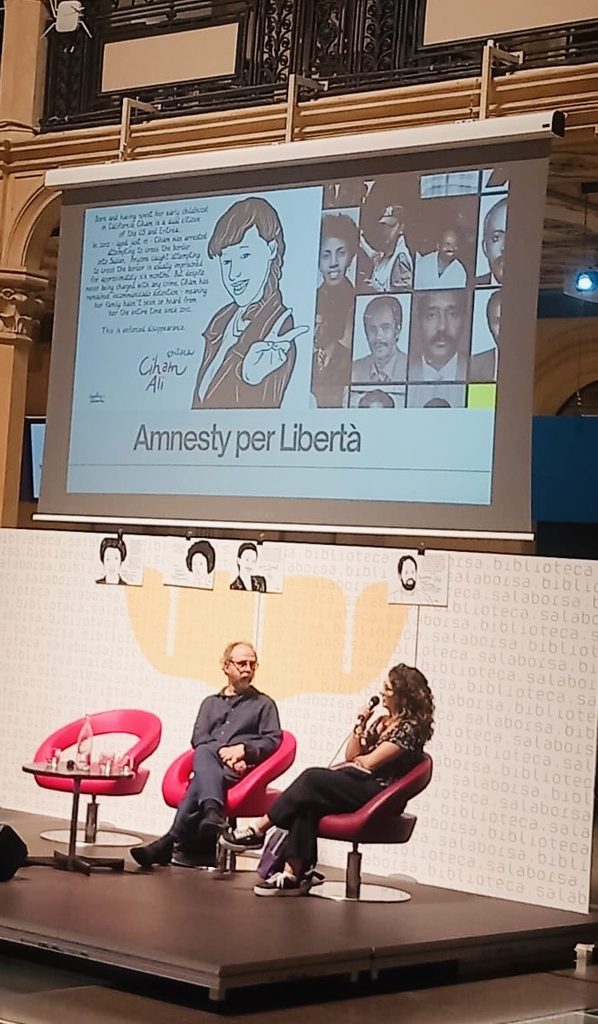
Over the past few years, I have thought a great deal about this aspect of my work, particularly because we live in a paradoxical moment. We have never been surrounded by so many images, yet perhaps we have never been at such risk of forgetting them. An image appears on our phones, provokes a reaction, is shared and then disappears, immediately replaced by another. We can see someone’s face without knowing their name, or share an appeal for a prisoner’s release without ever discovering what happened to that person in the months and years that followed.
This is why I believe the challenge is not simply to make someone visible. The challenge is to keep them visible over time.
A portrait alone is not enough. It must remain connected to a name, a biography, the circumstances of an arrest and the sources that document the story. Otherwise, even an image created with the best intentions risks turning a human being into a generic symbol, losing precisely what we wanted to preserve: their identity.
This is also why what happened to my drawings of the Eritrean journalists matters so much to me.
I created them in 2019. Seven years later, in 2026, the Committee to Protect Journalists announced that the Eritrea 16 would receive one of its International Press Freedom Awards, marking the twenty-fifth anniversary of the repression of the country’s independent press. Those images returned to public attention and were used again.


CHANNELDRAW STUDIO · INDEPENDENT PUBLISHING
Active Art Yearbook
A year of drawings, stories and civic engagement. Discover the Channeldraw annual volumes.
Explore the yearbooks →I find this return particularly meaningful because it demonstrates that a drawing does not necessarily have to exhaust its purpose at the moment of publication. It can accompany an article, become part of a campaign, enter an exhibition, reappear years later and reach people who had never encountered that story before.
This is also what I try to build through ChannelDraw: an archive that makes return possible.
An archive should not simply be a place where images are stored after their immediate purpose has ended. It should allow stories to remain accessible, to be rediscovered and to acquire renewed relevance when circumstances change. The value of an image is not measured only by how many people see it when it first appears, but also by its ability to continue bearing witness years later.
The case of Eritrea makes this necessity particularly clear.
For twenty-five years, these journalists have been deprived not only of their freedom but also of the possibility of telling their own stories. They cannot write an article explaining what has happened to them. They cannot publish a photograph. They cannot tell us where they are, and in many cases we do not even know with certainty what their present conditions are.
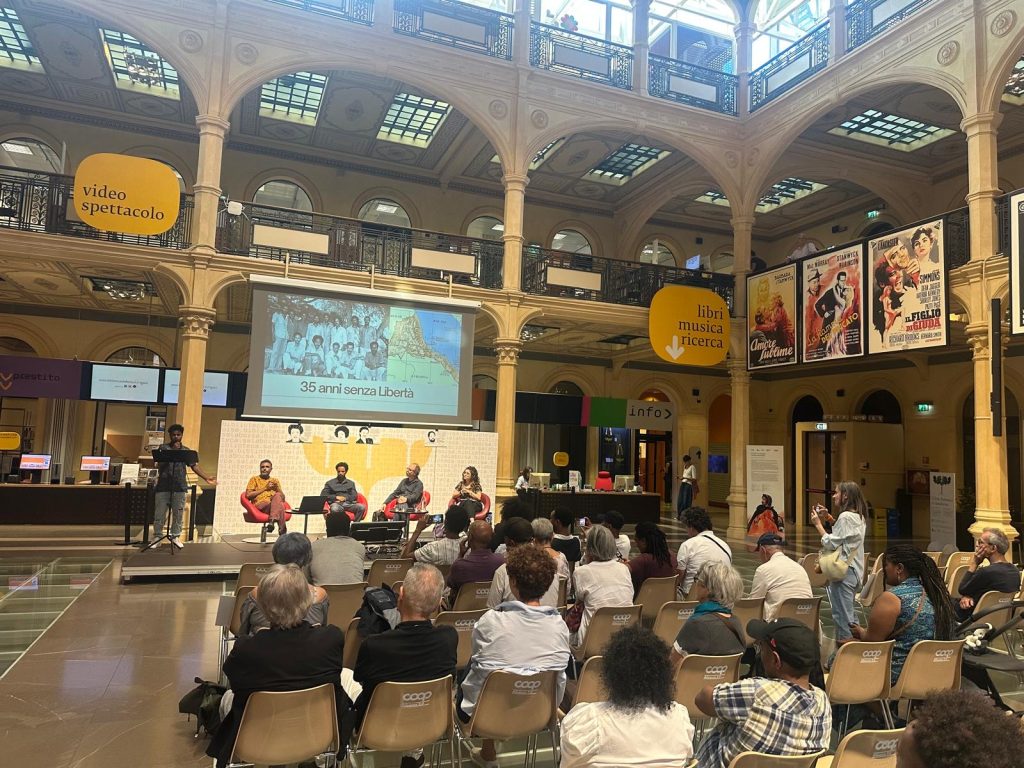
Their absence from public life is not simply the consequence of imprisonment. It is also the result of a prolonged deprivation of their ability to communicate with the outside world.
A drawing cannot free them. It cannot replace journalism, the work of human rights organisations, lawyers or families. I believe it is important not to attribute to images a power they do not possess.
But an image can help keep a story in the public sphere. It can make a name recognisable and allow someone who knew nothing about a particular case to encounter it for the first time. It can also serve as a point of connection between different moments in a campaign, ensuring that the passage of time does not automatically erase the people at its centre.
This is a small responsibility compared with what these journalists and their families have endured, but it is a real responsibility.

Twenty-five years is an enormous amount of time. A quarter of a century has passed since the repression of Eritrea’s independent press began in September 2001. An entire generation has grown up during those years, while the journalists who were arrested have remained beyond the reach of public scrutiny.
The danger is that time itself becomes another instrument of disappearance. That the longer someone remains imprisoned, the less frequently their name is spoken. That their story gradually becomes a historical reference rather than an urgent question about a living human being.
We cannot allow the passage of time to turn these people into nothing more than a list.
In a text I wrote a few days ago about archives and memory, I concluded with a sentence that seems particularly appropriate today:
“Memory does not begin when we preserve an image, but when we decide not to separate it from the story that asked us to look.”
This is what I wanted to share during yesterday’s meeting in Bologna. The portraits I drew in 2019 are not a completed project belonging to the past. As long as the fate of these journalists remains unresolved, their images continue to carry a responsibility.
They remind us that memory is not a passive act of preservation. It requires attention, continuity and the willingness to return to stories even when they are no longer at the centre of the news.
And perhaps this is precisely why we gathered in Bologna: to keep looking, to keep speaking their names and to ensure that twenty-five years of silence do not become oblivion.
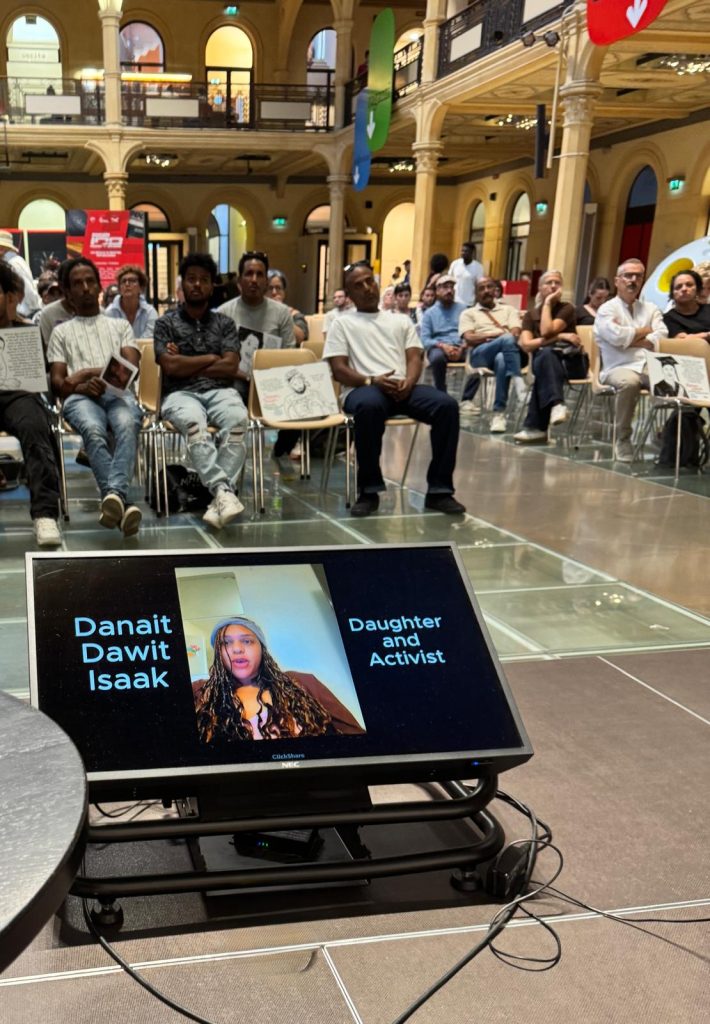
Photographs from the event
Bologna, September 19, 2026. Gianluca Costantini speaking at the event marking twenty-five years of repression against Eritrea’s independent press.
Related links
PEN International — International organisation defending literature and freedom of expression.
Committee to Protect Journalists — International organisation defending journalists and press freedom.
ChannelDraw — Drawing, human rights and freedom of expression.
ChannelDraw is independent and reader-supported. Your support helps us continue documenting artists, journalists and activists whose voices are threatened or censored.
Other ways to support ChannelDraw
You can also support our independent work by joining us on Patreon or Substack, or by purchasing a ChannelDraw Yearbook. Every contribution helps us keep ChannelDraw independent and continue documenting stories that need to be seen.