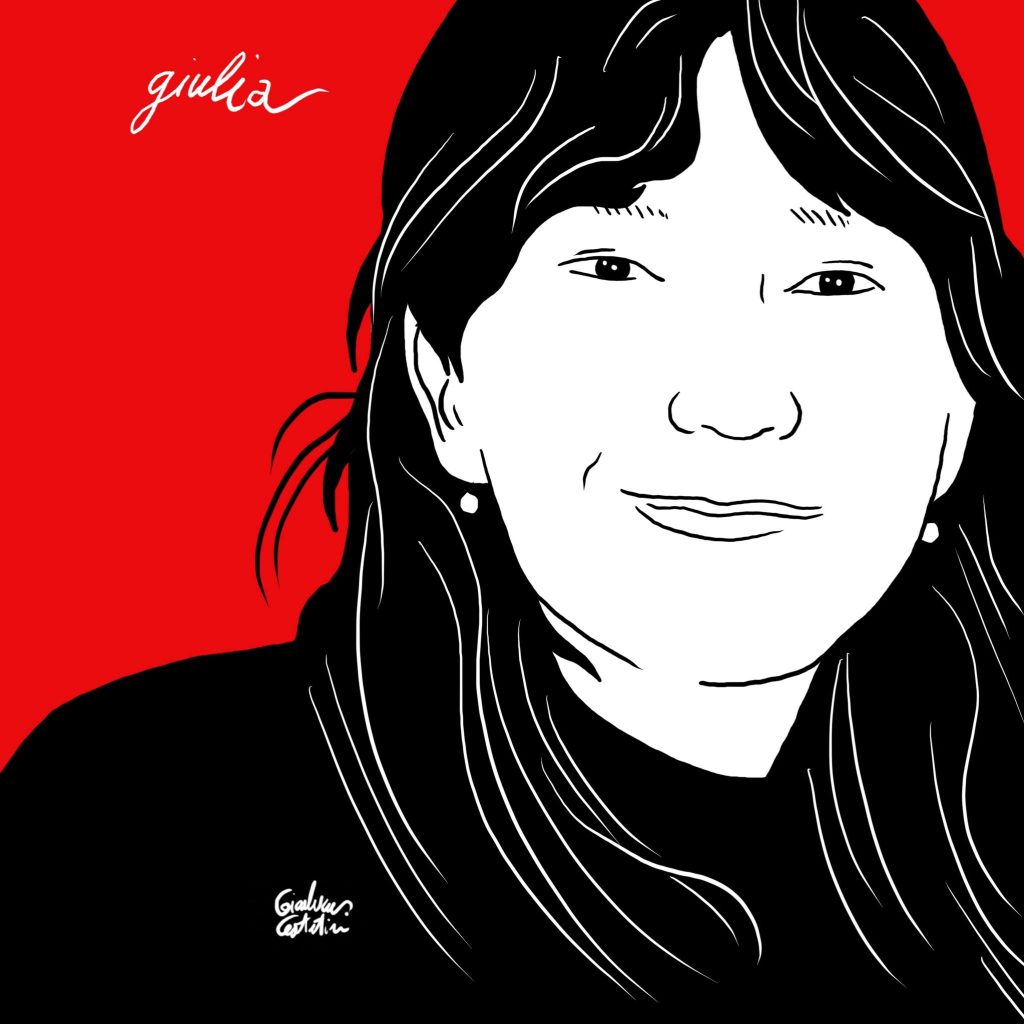
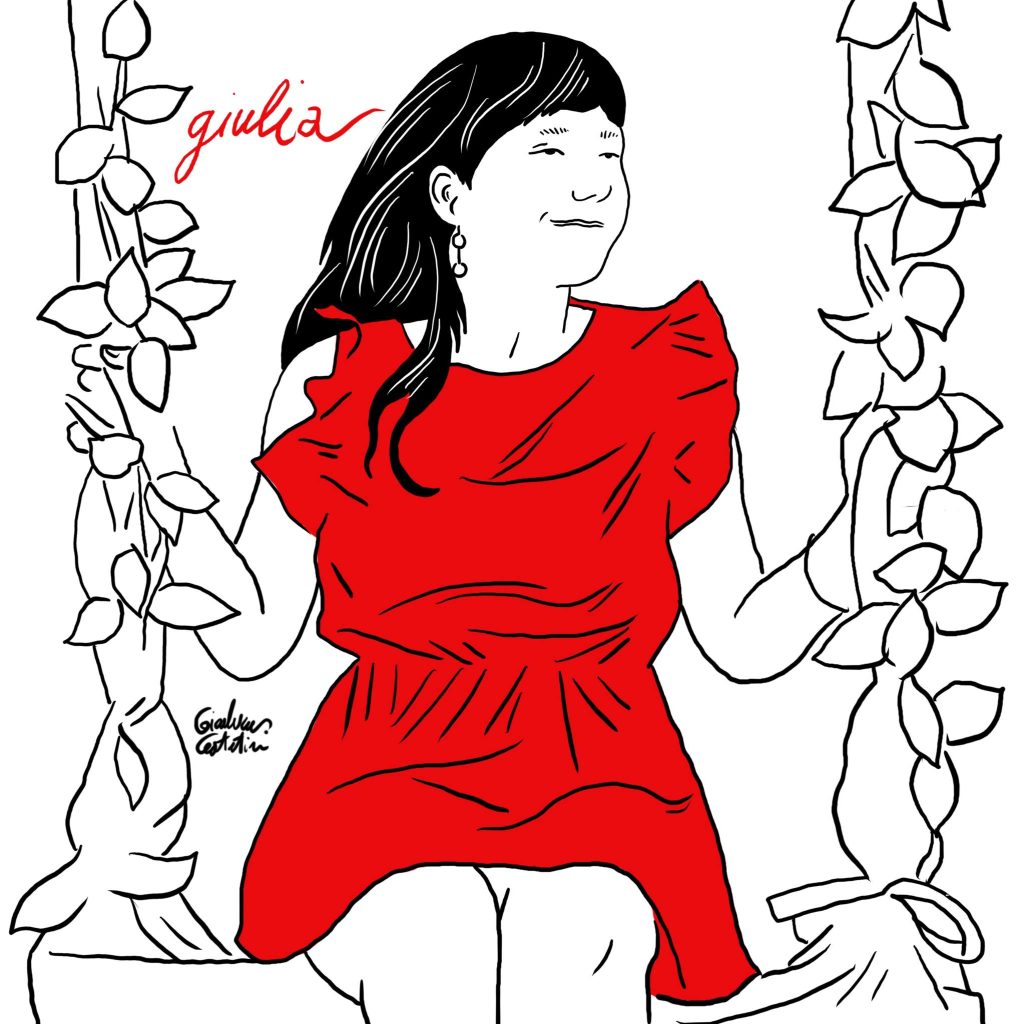
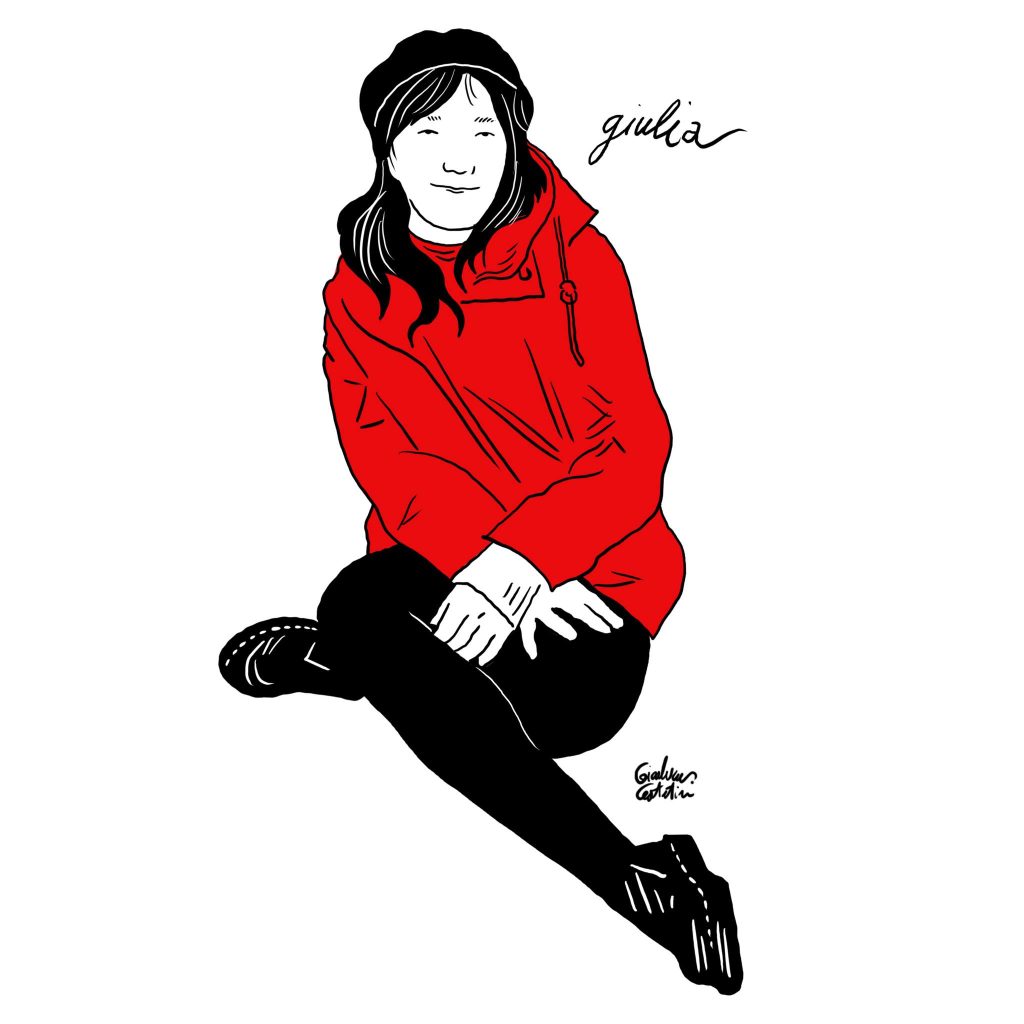
The theft of the poster dedicated to Giulia Cecchettin outside Officine Giovani in Udine has become a symbol of a society that prefers to erase what forces it to look within: violence, guilt, and the responsibility to remember.

“Giulia’s gaze can make us feel guilty—for everything we fail to do to protect women from male violence. It can be a tool to educate our children, to teach them respect, empathy, and responsibility. Passing by the Officine Giovani center in Udine and meeting that face could have reminded us what happened to Giulia—and why.
Someone couldn’t bear that gaze, and thought that stealing it, erasing it, was the solution to their own guilt, their inability to question themselves, their fragility. I’m sorry for what happened, but this act mirrors our society, and the way it believes it can solve problems: by eliminating what forces it to face the truth.” Gianluca Costantini
During the night between October 9 and 10, 2025, two symbolic posters disappeared from the Officine Giovani cultural center in Udine—among them, one depicting Giulia Cecchettin, the young woman whose murder became a national symbol in the fight against gender violence. The theft was reported by the local associations and cultural organizations that manage the space and has been formally denounced to the authorities.
Giulia’s poster held deep symbolic value—not only as a remembrance of her story but also as a warning against indifference and male violence. Many interpreted its removal as an ideological act, meant not merely to erase an image but to erase the memory and message that image carried.
According to local sources, Officine Giovani is a youth center supported by the Municipality of Udine, the association Get Up, and the ARCI Cas’aupa collective, all key players in the city’s cultural life. The stolen poster was displayed in a public area, visible to passersby. The theft was thus perceived as an assault on the very idea of public memory.
The removal of the poster sparked outrage and solidarity with the Cecchettin family and those who continue to fight for women’s rights. Many saw in this act the desire to “look away”—to erase an image in order to avoid confronting the truth it represents, and to escape the discomfort of personal responsibility.

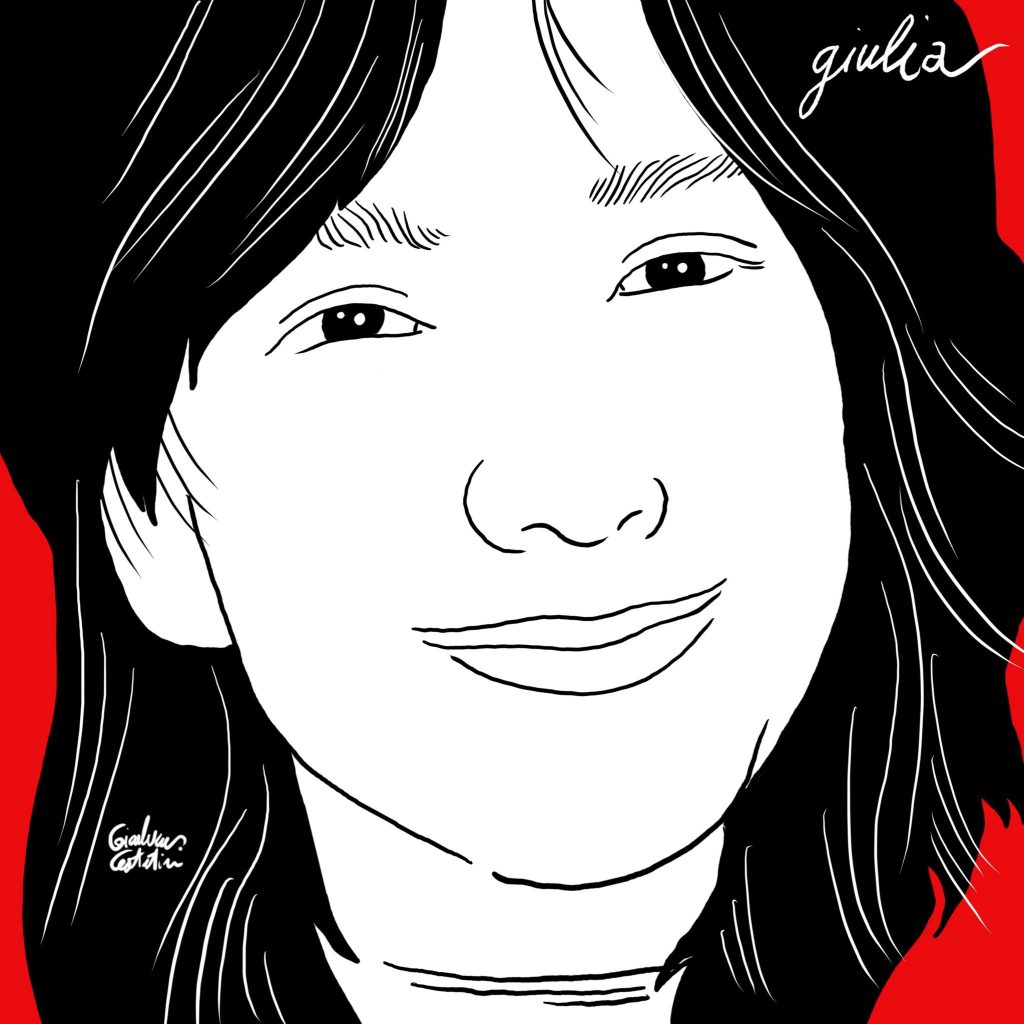
Giulia Cecchettin’s case is well known in Italy. In November 2023, the 22-year-old university student was murdered by her ex-boyfriend, Filippo Turetta. Her death shocked the entire country, sparking nationwide protests and renewed public debate on gender-based violence and the cultural change needed to confront it. Since then, countless public initiatives have sought to keep her memory alive through art, education, and civic engagement.
The theft of the posters is not an isolated gesture—it reflects a broader social tension: between those who wish to remember, expose, and change, and those who prefer to erase what makes them uncomfortable. Destroying a public image becomes a way to avoid facing reality—an act of denial that wounds both the memory of the victim and the collective conscience.
As of now, the identity of the perpetrators is unknown, and it is not clear whether surveillance footage may assist the investigation. Authorities have been informed, and the case will likely proceed under charges of aggravated theft and damage to public property.
Beyond the material loss, the gesture leaves a symbolic void. Those who pass by Officine Giovani today no longer see the image that reminded them of Giulia. And that absence, in itself, becomes a warning: condemning violence is not enough—we must also defend memory, even when someone tries to erase it.


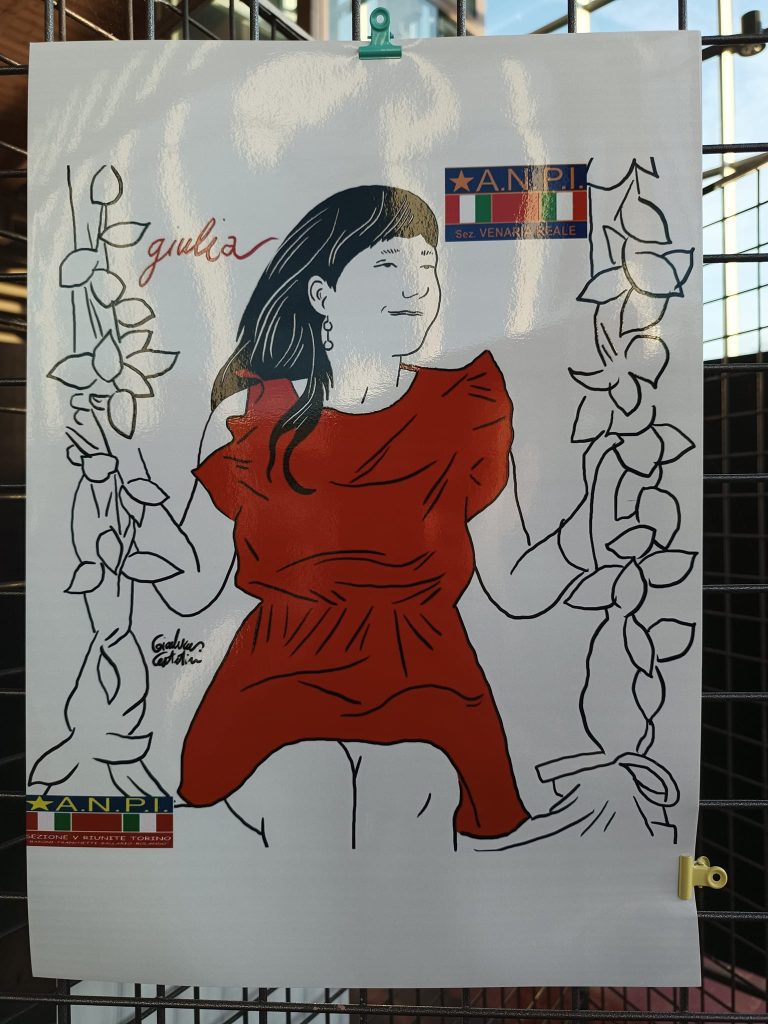
Giulia Cecchettin was a 22-year-old university student whose murder deeply moved Italian society. On November 11, 2023, she was killed by her ex-boyfriend, Filippo Turetta. Her body was discovered a week later near Lake Barcis, hidden inside plastic bags.
Investigations revealed that Giulia had been stabbed dozens of times—between 70 and 75—using a kitchen knife with a 12-centimeter blade. The autopsy confirmed that she died from blood loss caused by multiple wounds to her neck and body.
It later emerged that Giulia endured two separate attacks that night: the first in a parking lot near her home and the second in an industrial area in Fossò. Despite an emergency call from a witness reporting that he had seen Turetta dragging Giulia into a car and driving away, police patrols failed to intervene in time.
The court in Venice described Turetta’s actions as “of unprecedented ferocity,” citing premeditation, cruelty, and a high risk of reoffending. Evidence showed that Giulia struggled for nearly 25 minutes before she died.
In December 2024, Turetta was sentenced to life imprisonment for voluntary homicide, premeditation, kidnapping, and concealment of a body. He was also ordered to pay significant compensation to Giulia’s family.
Giulia’s story continues to resonate as a symbol of both tragedy and awakening—a call for justice, remembrance, and the urgent need to transform how society confronts violence against women.