The story of an Israeli conscientious objector and his fight for personal conviction
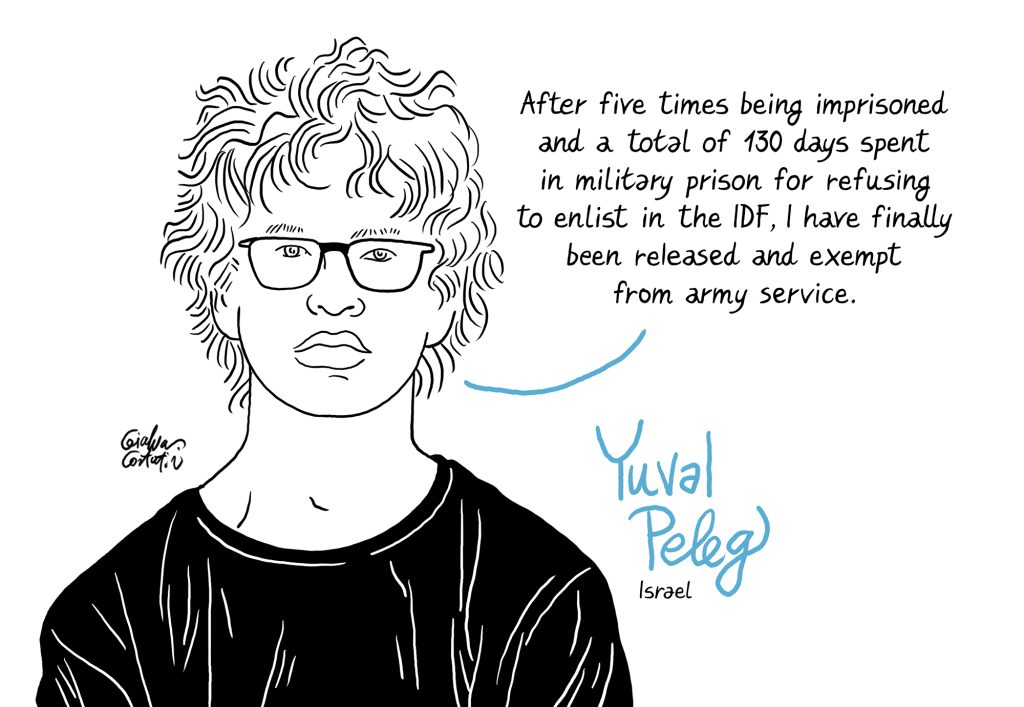
“After five times being imprisoned and a total of 130 days spent in military prison for refusing to enlist in the IDF, I have finally been released and exempt from army service.” Yuval Peleg
The case of Yuval Peleg has become one of the most widely discussed examples of conscientious objection in Israel in recent months. The young Israeli spent 130 days in military prison, spread across five separate detentions, for refusing to enlist in the Israel Defense Forces (IDF), where military service is mandatory for most citizens.
Peleg has publicly stated that his decision was motivated by ethical and political principles. According to him, enlisting would have been incompatible with his beliefs and his opposition to military operations in the Palestinian territories. He has repeatedly emphasized that the choice was difficult, but unavoidable if he were to remain true to his convictions.

Peleg’s case follows a pattern familiar among Israeli conscientious objectors: refusing military service often results in short-term imprisonment that can be repeated multiple times. In his case, each refusal led to a new sentence, totaling over four months in prison. In January 2026, after completing the military disciplinary process, Peleg was released and officially exempted from service.
During his imprisonment, his case drew attention from human rights organizations, including Amnesty International, which criticized the repeated detention of conscientious objectors and urged Israeli authorities to respect the right to refuse military service on grounds of conscience.
In one of his widely cited statements, Peleg described his detention as a difficult experience but said that the support he received from activists and citizens around the world helped him maintain his stance. He added that, despite the personal cost, he does not regret refusing enlistment and would make the same choice again.
Yuval Peleg’s case is part of a broader debate within Israeli society about the relationship between military service, individual rights, and political dissent. While the number of objectors remains relatively small, each act of refusal contributes to public discussion on conscience, civic responsibility, and freedom of choice in a country where military service continues to be a central pillar of social and political life.


