Ten months after a bomb exploded outside the home of one of Italy’s best-known investigative journalists, the investigation has taken an unexpected turn. A businessman close to Ranucci has admitted ordering the attack, while RAI has removed the journalist from the programme he led for nine years. The case has now become a wider battle over investigative journalism and the independence of Italy’s public broadcaster

On the night of 16 October 2025, a bomb exploded outside the home of Italian investigative journalist Sigfrido Ranucci, destroying his car and damaging another vehicle belonging to his daughter.
At the time, the attack appeared to be an act of intimidation against one of Italy’s most prominent investigative journalists. ChannelDraw documented the attack the following day in Rome Bombing: Sigfrido Ranucci, Symbol of Investigative Journalism, Targeted.
Ten months later, the story has changed dramatically.
What initially appeared to be an attack linked directly to Ranucci’s journalistic investigations has developed into a much more complicated criminal and political case. The investigation has led to arrests, an extraordinary confession by a man close to the journalist, questions that investigators are still trying to answer, and, eventually, Ranucci’s removal from the programme that made him one of the symbols of investigative journalism in Italy.
On 10 August 2026, Italian police arrested businessman and former newspaper publisher Valter Lavitola. Prosecutors in Rome accuse him of being the person who commissioned the bombing outside Ranucci’s home.
According to ANSA, the investigation is being coordinated by Rome prosecutors and the Anti-Mafia District Directorate. Prosecutors have also alleged the use of mafia-style methods.
An arrest warrant was also issued for Gomes Clesio Tavares, a Cameroonian national described by investigators as Lavitola’s intermediary with the group suspected of physically carrying out the attack.
Two days after his arrest, Lavitola made an extraordinary admission.
During an interrogation lasting more than five hours, he acknowledged that he had ordered the bombing.
But his explanation transformed the case once again.
According to ANSA’s account of the interrogation, Lavitola said he had arranged the attack because he believed Ranucci was already in danger and wanted authorities to increase the journalist’s security protection.
In other words, according to Lavitola’s version, the bomb was not intended to intimidate Ranucci into abandoning his journalism. It was intended to create a threat serious enough to force the state to protect him more extensively.
It is an explanation that investigators are continuing to examine.
And it immediately raised another, unavoidable question: did Ranucci know anything about the plan?
At present, there is no evidence publicly identified by investigators demonstrating that Ranucci had prior knowledge of the bombing. Reuters reported that authorities have found no evidence implicating him in the organisation of the attack.
Ranucci remains, for investigators, the victim of the bombing.
Lavitola’s lawyer, when directly asked whether Ranucci had known about the plan, declined to answer the question.
The investigation therefore remains open.
Prosecutors have been analysing Lavitola’s computers and mobile phones, while Ranucci is expected to be questioned as a person informed about the facts. Investigators have also sought the return of Tavares, who was outside Italy and subject to an arrest warrant.
Meanwhile, the alleged material execution of the bombing has begun to emerge more clearly.
Two men accused of participating in the attack, Pellegrino D’Avino and Antonio Passariello, told prosecutors that they did not know either Lavitola or Ranucci and had dealt only with Tavares. According to their lawyers, they said Tavares had instructed them to place a bomb and insisted that they had not intended to hurt anyone.
The investigating judge was not persuaded by parts of their account.
On 31 August, ANSA reported that the judge had rejected requests to move D’Avino and Passariello to house arrest, describing elements of their statements concerning the bomb as unreliable or reticent.
They remain in prison.
The investigation has also intersected with subjects previously examined by Report. Documents from the case referred to investigations concerning the Cantiere Navale Vittoria shipyard in Adria and its owner Roberto Cavazzana. The coincidence in timing between the bombing and Report’s journalistic work on the shipyard had been among the elements examined by investigators.
None of this, however, changes the central fact that has emerged from the investigation so far: Lavitola says he commissioned the bombing, while investigators have not publicly produced evidence that Ranucci knew it was going to happen.
But the criminal investigation quickly became inseparable from another story: the future of Ranucci inside Italy’s public broadcaster.
For decades, Ranucci has been one of the most recognisable figures in Italian investigative journalism.
He joined RAI in 1990 and worked for TG3 and RaiNews24, covering organised crime, illegal waste trafficking, wars and human rights violations. In 2006 he joined Milena Gabanelli’s team at Report. He became the programme’s author and presenter in December 2016.
The official RAI profile of Ranucci records a career that includes reporting from the Balkans and the Middle East, investigations into organised crime and environmental offences, and his 2005 reporting on the use of white phosphorus by US forces in Iraq.
Under Ranucci, Report became one of the most prominent investigative programmes on Italian television, repeatedly examining politics, public institutions, corporations, lobbying networks, conflicts of interest and organised crime.
That work also produced conflicts.
Ranucci has faced lawsuits, political attacks, threats and police protection. Report has repeatedly found itself at the centre of clashes between journalism and political power.
Months before the current crisis, Ranucci had already publicly warned that the programme itself was under pressure.
In January 2026, speaking at the Italian National Press Federation, Federazione Nazionale della Stampa Italiana, he warned that conditions were being created that could eventually dismantle Report. He pointed to the possible loss of experienced staff, upcoming retirements, the renewal of freelance contracts and changes inside RAI.
Then came the developments in the bombing investigation.
In July, even before Lavitola’s arrest, RAI suspended the summer reruns of Report. In its official statement, the broadcaster said the decision had been taken while waiting for clarification of the “delicate and complex” situation involving Ranucci and described the suspension as a precautionary measure intended to protect the programme’s editorial heritage.
The new season was nevertheless expected to return in November.
Then, on 28 August, RAI announced that Ranucci would no longer present Report.
After nine years at the helm, he would be replaced by journalists Giulia Presutti and Daniele Piervincenzi.
RAI presented the decision as the beginning of a new phase for the programme. The broadcaster said the new presenters had been selected through a RAI competition and described the change as part of an effort to strengthen investigative journalism and promote new professional talent.
The decision immediately exploded into a political and journalistic controversy.
Ranucci rejected the move and announced that he would challenge it.
Through his lawyers, he formally contested the legality of RAI’s decision and reserved the right to seek urgent legal measures, restoration of the previous situation and compensation for damages.
He also made clear that leaving the presenter’s chair did not mean abandoning the conflict.
“I will no longer host Report,” he said, “but I will lead the most important battle of my life: the fight for press freedom.”
The RAI announcement and Ranucci’s response transformed what had begun as an internal programming decision into a national debate about the independence of public-service journalism.
The reaction inside Report was even more significant.
Members of the programme’s historic editorial team rejected the decision. Senior reporters argued that the newsroom already contained the professional experience necessary to run the programme and warned against what they described as an attempt to “normalise” or place Report under external control.
After Ranucci’s removal, the confrontation escalated.
According to ANSA, journalists at Report declared a work-to-rule and said they were prepared to strike. Senior reporters also threatened to leave the programme if RAI did not reverse its decision.
By 1 September, talks between RAI’s head of current affairs, Paolo Corsini, and veteran Report journalists Bernardo Iovene and Giulio Valesini had failed to resolve the conflict.
The Report newsroom remained openly opposed to the new appointments. Staff journalists were considering strike action, while external collaborators threatened to leave collectively.
The dispute is no longer simply about who sits in front of the camera.
It is about who controls Report, whether its existing investigative structure will survive, and how much editorial independence a programme within a public broadcaster can maintain when its investigations repeatedly collide with political power.
The political reaction has exposed precisely this divide.
Opposition politicians described Ranucci’s removal as an attack on press freedom and accused the government majority of having sought for years to weaken one of RAI’s most independent investigative programmes.
Government figures rejected that interpretation.
Deputy Prime Minister Matteo Salvini welcomed RAI’s decision and called for clarification of the circumstances surrounding Ranucci. Senate President Ignazio La Russa, who has frequently criticised Report, also expressed satisfaction with the change.
RAI itself has denied that the decision was political.
The broadcaster says it wants to strengthen investigative journalism and offered Ranucci other positions, including work on other news programmes or as a foreign correspondent.
The controversy nevertheless touches a structural question that extends far beyond Ranucci.
RAI is Italy’s public-service broadcaster, but its governance has long been the subject of political debate because its board and senior management are appointed through mechanisms involving parliament and government.
As Reuters noted in its report on Ranucci’s removal, critics have long argued that this structure leaves the broadcaster vulnerable to political influence by whichever coalition is in power.
That vulnerability becomes particularly important when the programme involved is Report.
Investigative journalism depends not only on the formal right to publish.
It depends on time, budgets, experienced journalists, institutional protection, editorial autonomy and the willingness of a broadcaster to defend reporters when their investigations create powerful enemies.
A programme can continue to exist while the conditions that made its journalism possible gradually disappear.
That is why the conflict inside Report matters.
It is possible to replace a presenter while keeping the title.
It is possible to broadcast a programme called Report while changing its editorial structure.
And it is possible to defend press freedom in principle while making investigative journalism increasingly difficult in practice.
The case therefore has to be approached carefully.
The bombing cannot now simply be described as an attack ordered by someone exposed by Report. The investigation has produced a different and stranger scenario. Lavitola has admitted ordering the bomb and claims that his intention was to help Ranucci by increasing his security protection.
That explanation remains subject to investigation.
Nor can Ranucci’s removal from Report automatically be described as direct government censorship. RAI formally presents it as an editorial and organisational decision.
But neither can the political context be ignored.
The removal came after months of attacks on Ranucci, after the suspension of Report reruns, after public warnings from the journalist about the future of the programme, and after years in which Report repeatedly investigated figures and interests connected to political power.
It also came after an extraordinary wave of media coverage surrounding the bombing investigation.
Reuters reported that, following Lavitola’s arrest, pro-government media published stories suggesting that the bombing might have been staged to increase Ranucci’s public profile ahead of a possible political career.
Investigators, however, have found no evidence that Ranucci knew about the attack in advance.
That distinction is essential.
Allegation is not evidence.
Political interpretation is not judicial fact.
And the behaviour of someone close to a journalist cannot automatically be transformed into responsibility on the part of the journalist himself.
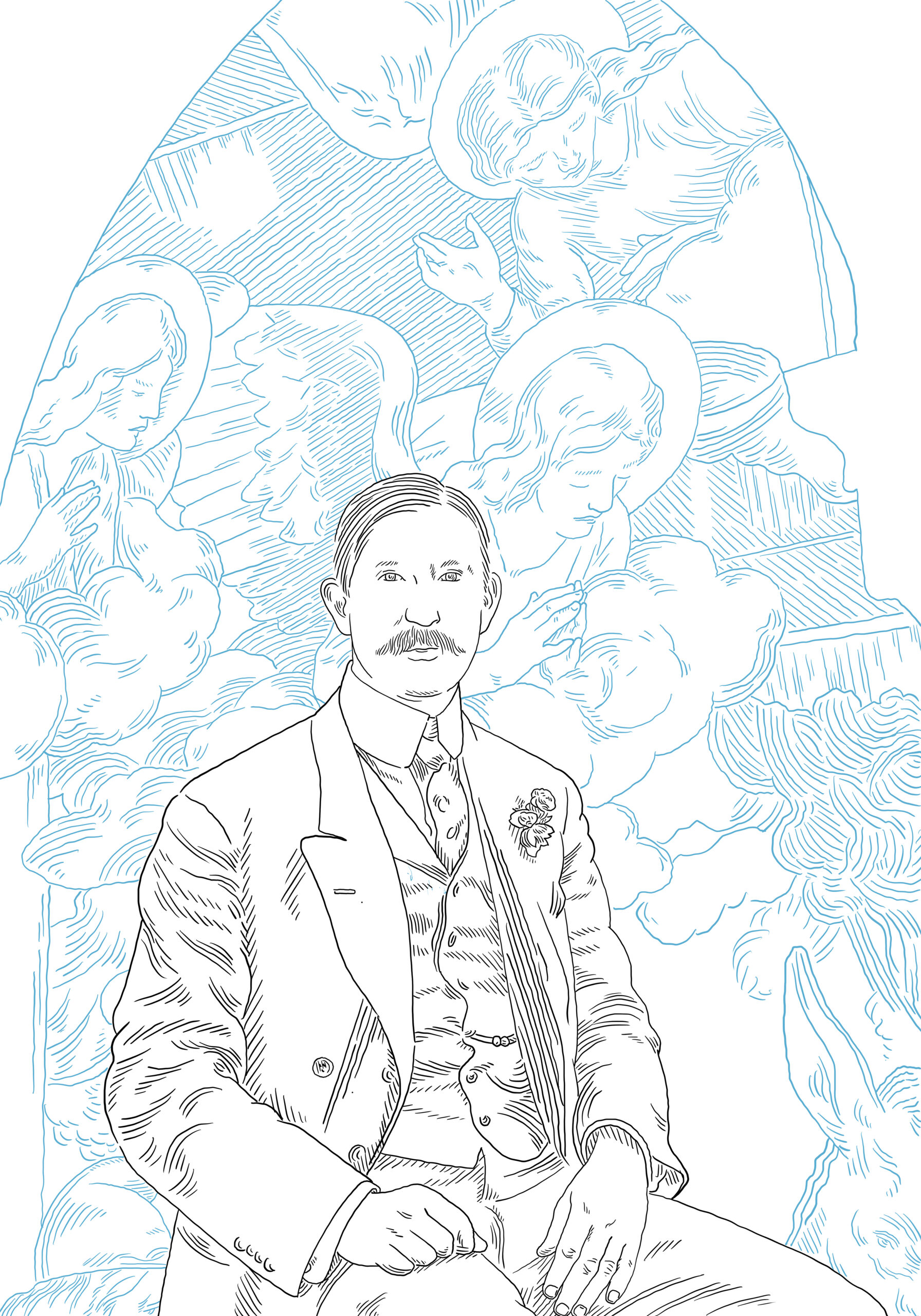
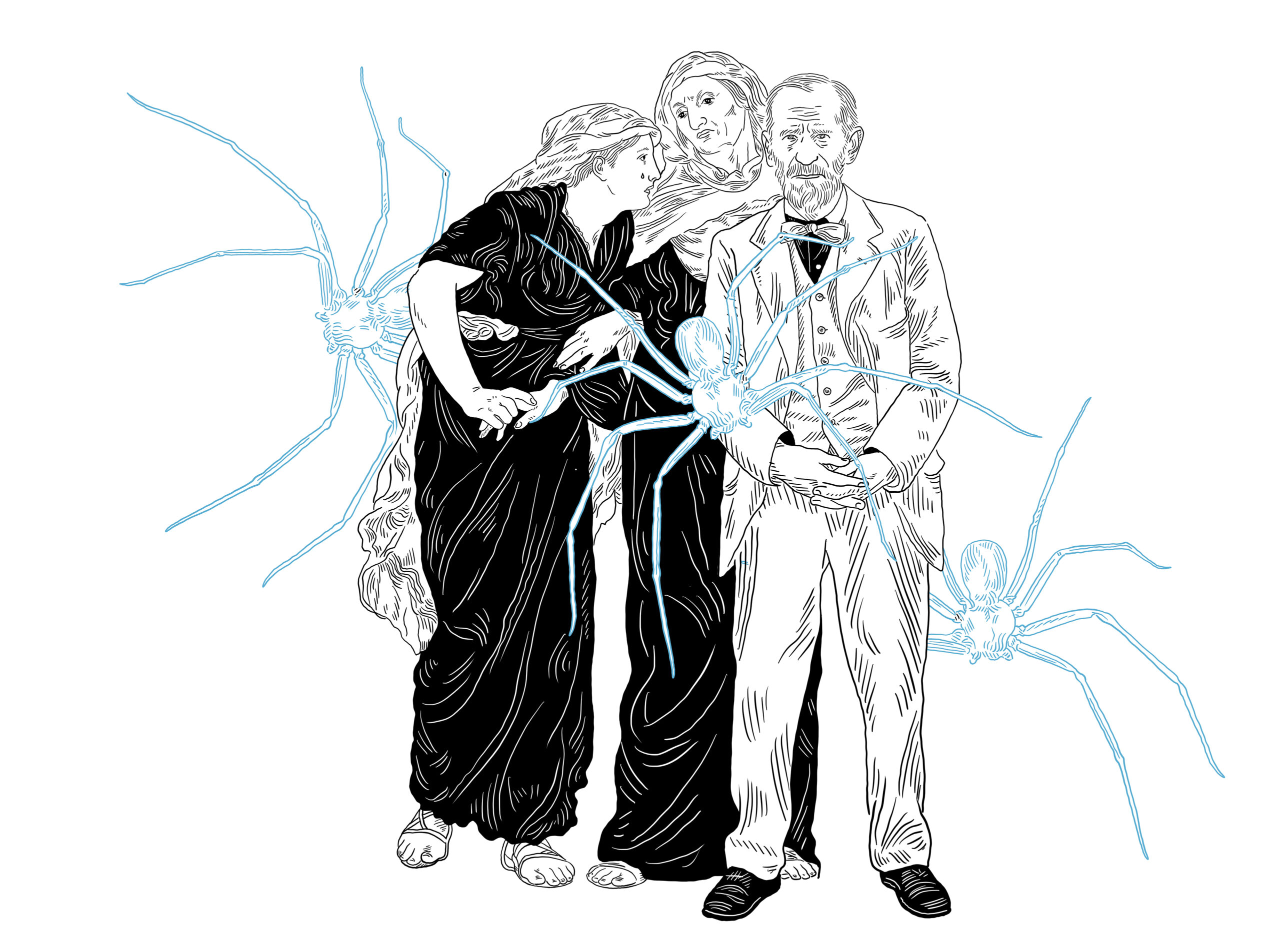
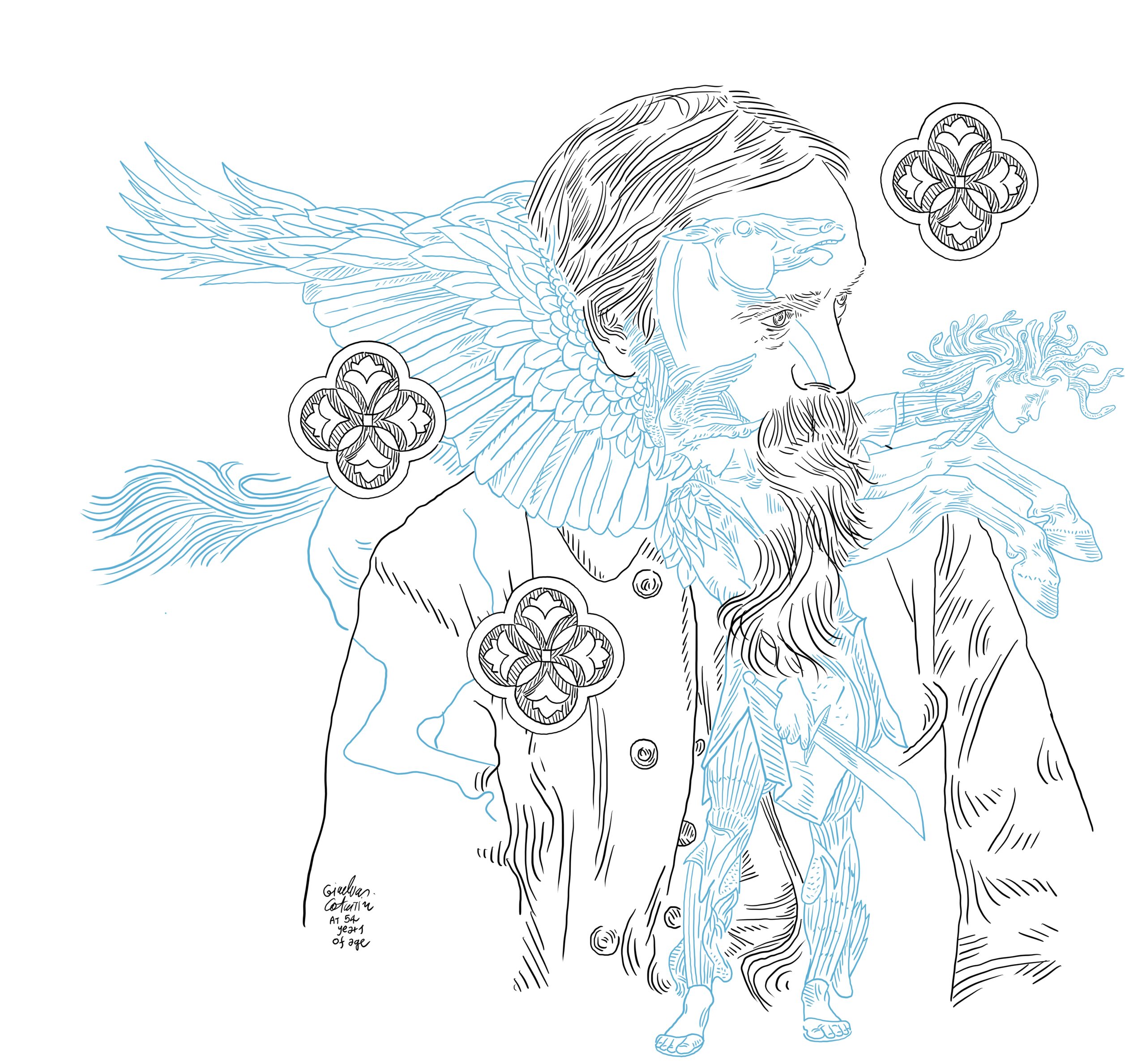
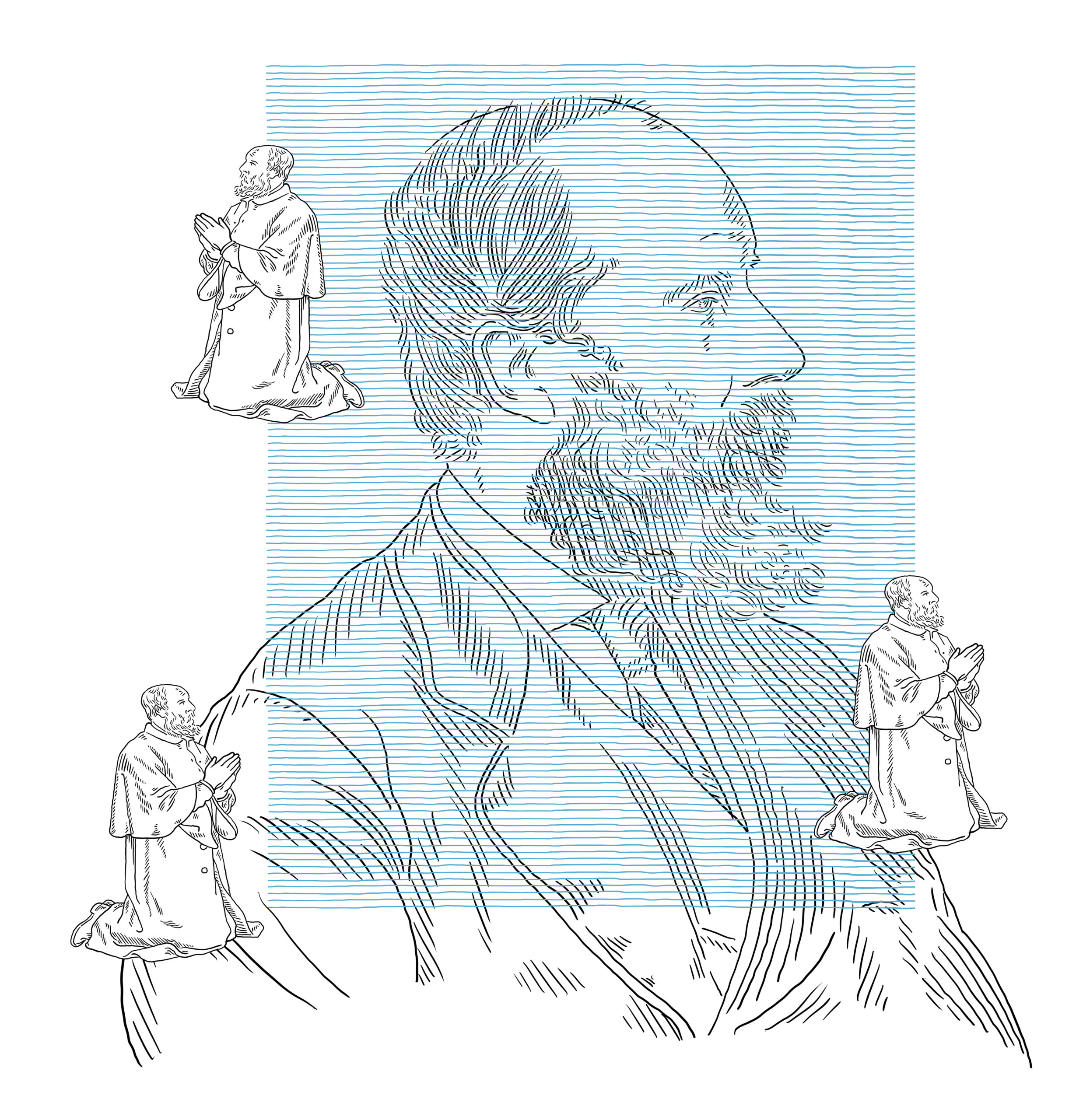
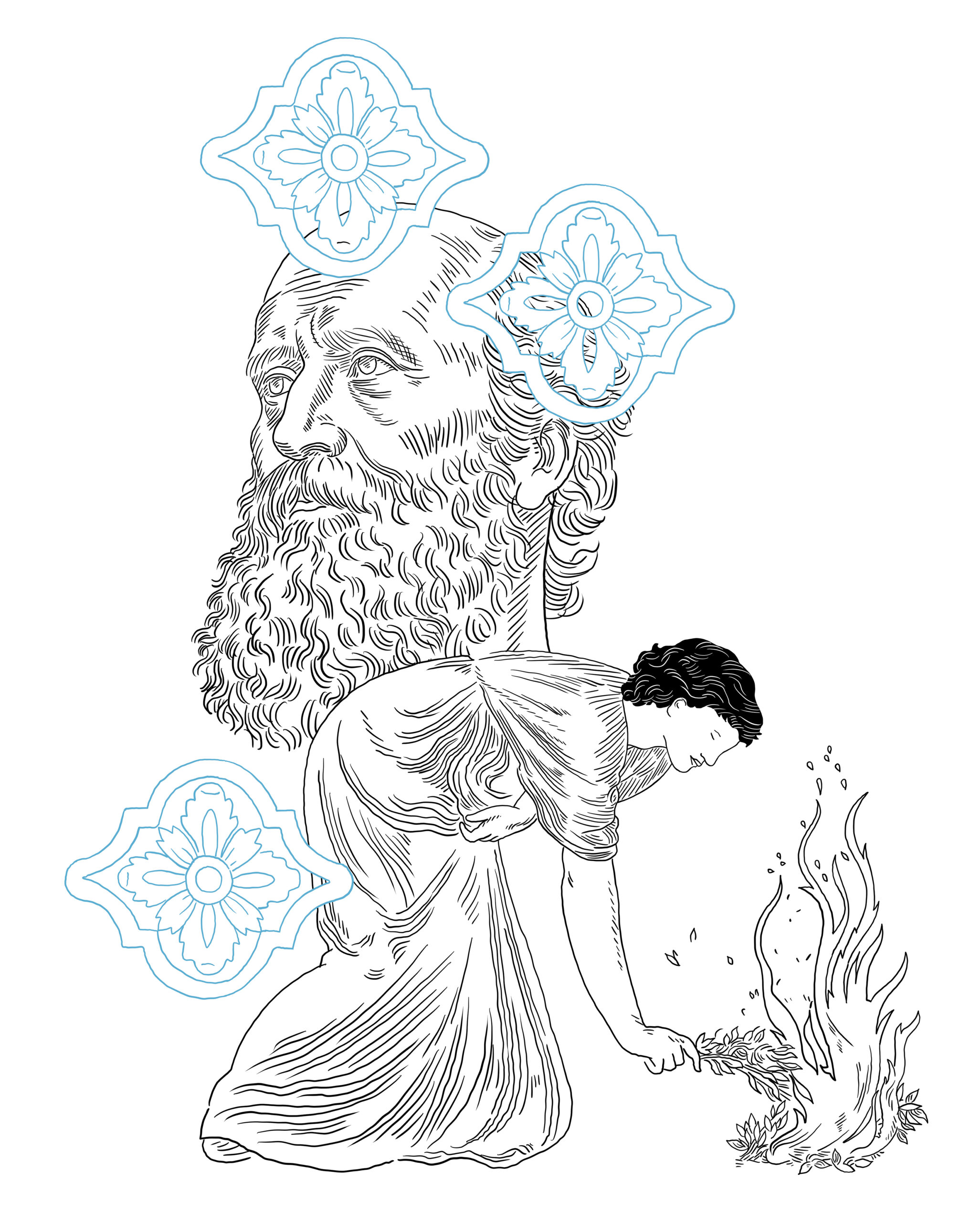
When I first drew Sigfrido Ranucci after the bombing in October 2025, the image belonged to a familiar history: a journalist threatened because journalism can expose things that powerful people would prefer to remain hidden.
Today that drawing belongs to a more complicated story.
The bomb is still there.
But around it there are now criminal investigations, political narratives, institutional decisions, media campaigns and a struggle over the future of the investigative programme Ranucci helped build.
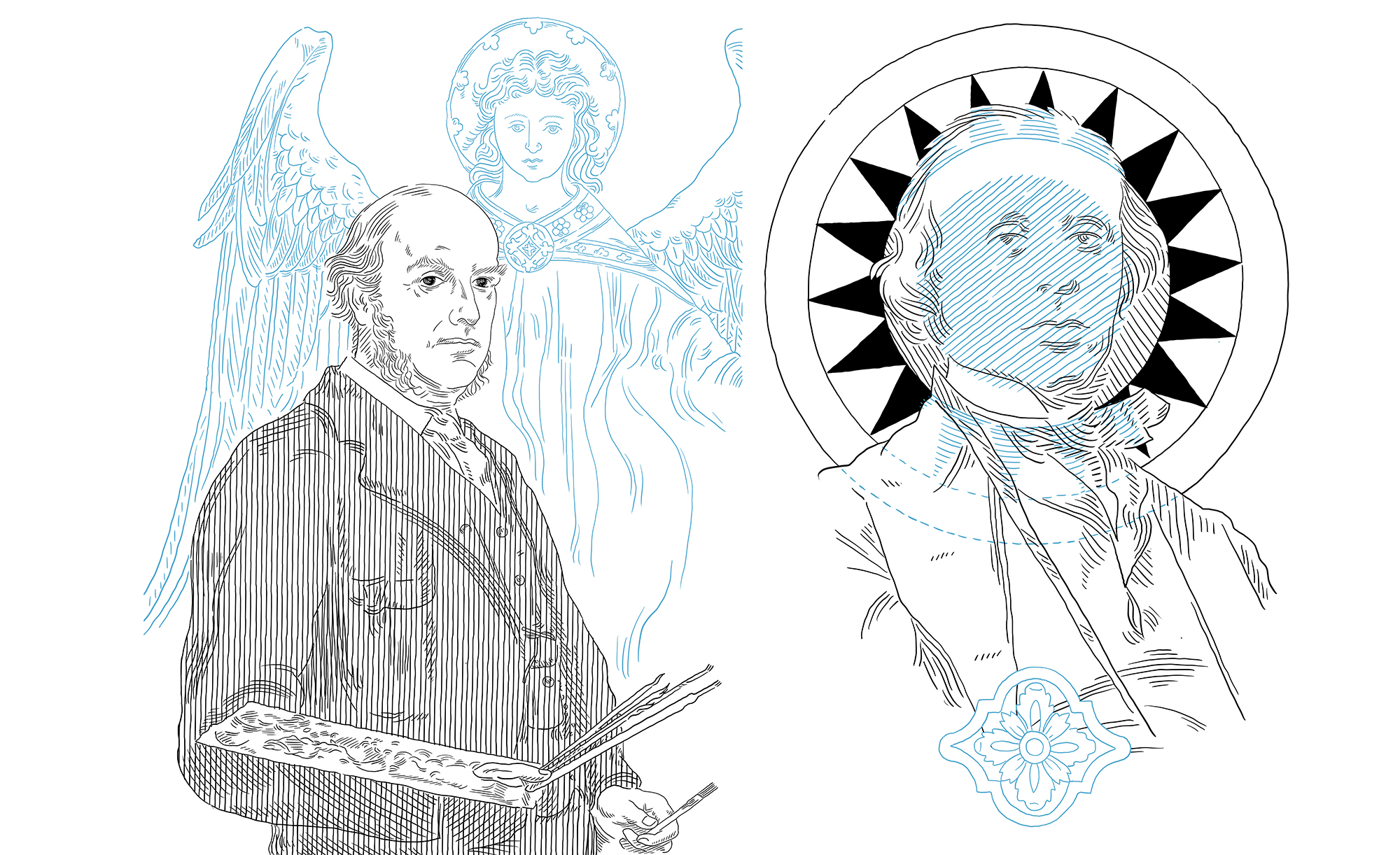
ChannelDraw has repeatedly documented journalists whose work has placed them under pressure, surveillance, prosecution or violence. These cases are different from one another, but they share a fundamental question: what conditions are necessary for a journalist to continue investigating power without fear of retaliation or institutional isolation?
The story of Ranucci now asks that question inside the heart of Italy’s public broadcasting system.
In October 2025, the immediate question was who had placed a bomb outside his home.
Investigators now believe they know who commissioned it, although important questions remain.
Less than a year later, another question has taken its place.
What will remain of Report without Sigfrido Ranucci — and what will remain of the independence that made Report possible?
The criminal investigation will continue in the courts.
Ranucci has announced a legal battle against RAI.
His newsroom is threatening strikes and departures.
And the programme is expected to return in November with two new presenters.
The explosion outside Ranucci’s home was visible: destroyed cars, broken windows, police, investigators, images that immediately communicated violence.
What is happening now is less visible.
It concerns editorial structures, appointments, contracts, institutional power and the ability of journalists to decide what they investigate and how they investigate it.
But for the future of investigative journalism, that battle may prove just as important.