A story of migration, accusations, and the fragility of justice
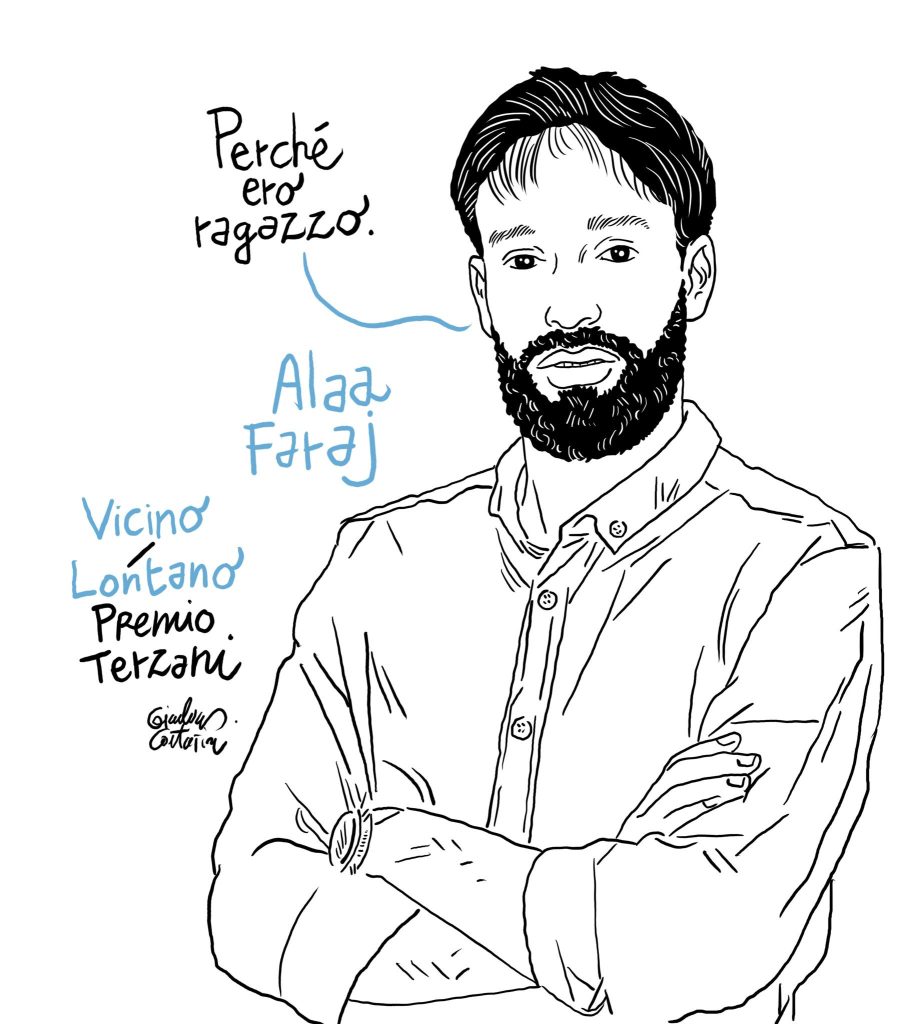
The story of Alaa Faraj has been widely discussed in recent years in the context of migration, justice, and public debate in Italy.
According to judicial records and media coverage, Alaa Faraj is a young migrant who arrived in Europe after crossing the Central Mediterranean route. His name became known when he was involved in a criminal investigation linked to migrant smuggling networks and sea crossings departing from Libya—part of a broader series of cases in which Italian authorities attempted to reconstruct responsibility for shipwrecks and irregular migration routes.
In the course of this investigation, Faraj was arrested in Italy on serious charges related to the management of boats and alleged involvement in human smuggling operations. As in many similar cases, the judicial context was extremely complex: survivor testimonies, the coercive conditions in Libyan detention centres, and the lack of safe migration alternatives made it difficult to clearly distinguish between victims of trafficking and individuals accused of acting as boat operators under pressure or coercion.
While still in detention, his case became part of a wider cultural and political discussion. Within the context of the Vicino/Lontano festival, which awards the Tiziano Terzani Prize in honour of figures symbolising peace, human rights, and civic resistance, his story was referenced as an example of the contradictions within contemporary migration policies and the legal ambiguities surrounding Mediterranean crossings.
This recognition was not intended as a traditional honour for the individual, but rather as a way to raise ethical and political questions about detention practices, criminal accusations, and the conditions under which such migration journeys take place.
Subsequently, during the legal process, Alaa Faraj’s situation changed: after judicial review and different stages of proceedings, his position was revised, leading to his release or a significant re-evaluation of the charges, in a broader context in which several similar cases have ended in acquittals or dismissals due to insufficient evidence or the difficulty of assigning clear individual responsibility in the chaotic dynamics of forced migration routes.
His story remains emblematic: not only a personal trajectory, but also a broader legal and political issue across the Mediterranean, where migration, crime, survival, and responsibility often overlap in complex and unresolved ways.